

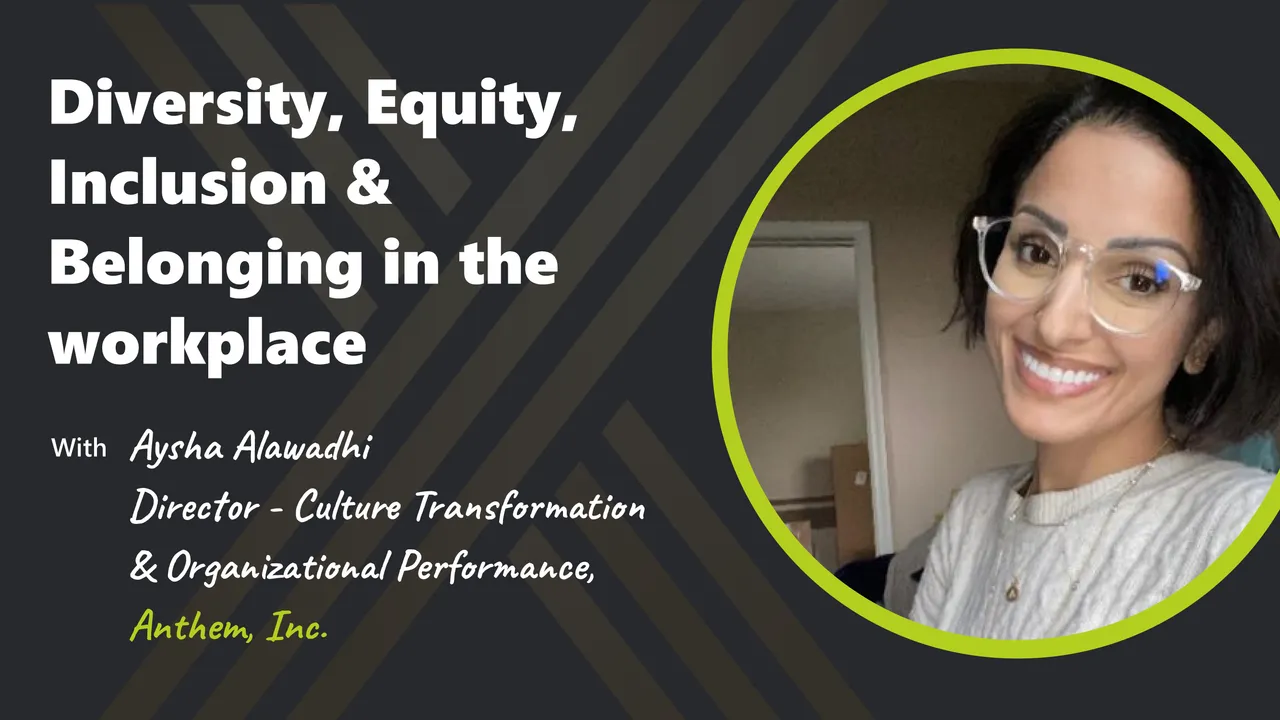
S03 E02
Turning DEI Policy Into Everyday Belonging
From culture as a competitive advantage to the crucial role of hiring, inclusivity, and technology, Aysha Alawadhi unpacks how organizations can implement DEI&B effectively, ensuring trust, balance, and engagement that employees can genuinely connect with.
TL;DR
What you need to know from this episode
- Culture is a competitive edge, not an HR side project. Aysha Alawadhi argues that culture rarely gets sidelined on purpose, it just gets treated as secondary. Making people leadership its custodian and tying it to business strategy is what earns a skeptical CFO's attention.
- You cannot copy and paste a company culture. Adoption comes from including the people a change affects and answering what's in it for me, not from a small group pushing top down. A constant health check keeps the culture honest as goals evolve.
- Flattering engagement scores can hide a homogeneous culture. Strong headline numbers may mask real gaps, like a wide power distance between who leads and who does entry level work. If DEI never appears on C-suite scorecards, leaders are not as focused on it as they claim.
- Trust, not policy alone, is what makes people speak up. You cannot remove the fear of raising a hand, but you can build an environment where talking leads to listening and listening leads to action. Open doors, real office hours, and following through all matter.
- Exit interviews become a goldmine when you keep following up. Instead of expecting honesty in one awkward conversation, follow up at three, six, and twelve months. Closing the loop by showing people what changed because of their feedback is what makes listening powerful.
Aysha Alawadhi has spent more than a decade inside the machinery of workplace culture, across finance, education, healthcare, and insurance, and with organizations that range from Emirates NBD to IBM. As Director of Culture Transformation and Organizational Performance at Anthem, Inc, she blends process, data, policy, and coaching into one practical question: how do you take diversity, equity, inclusion, and belonging from a policy document to something employees actually feel every day?
In this Season 3 conversation with host Nicole Patrick, Aysha makes the case that culture is not a soft add-on that HR quietly manages in the background. It is a competitive advantage, a business strategy, and a living thing that needs constant care. Her recurring theme is honesty: looking in the mirror, questioning what a good culture really means, and refusing to let flattering survey scores stand in for the truth.
What follows is a tour through the full lifecycle of culture work, from how leadership frames it, to how managers scale it, to how organizations keep listening once the policies are written. Along the way she is candid about the ways good intentions get gamed, and generous with the practices that actually build trust.
Why culture belongs at the center, not the sidelines
Aysha is quick to say that boards rarely sideline culture on purpose. In her experience it simply gets treated as secondary, something HR will take care of, rather than a front and center priority. Her fix is to make people leadership the custodian of culture, the function that keeps reminding everyone why it matters and holds the rest of the business accountable to it.
She is equally clear that culture has to earn its place in strategic terms. There is no single correct culture, she argues, but whatever you build should map to the business goal you are chasing over the next three, five, or ten years. Frame it that way and even a skeptical CFO can see the return.
Because people can have a bigger budget, they can steal your technology or have better technology. But if you have amazing people who are innovative, you're going to win.
The payoff, in her telling, is a competitive edge that cannot be copied. Budgets and technology can be matched or bought, but an innovative, engaged workforce is far harder for a rival to replicate.
You cannot copy and paste a company culture
Ask Aysha whether a culture framework can be lifted from one company and dropped into another, and she lights up: it cannot be copy pasted. Adoption comes from including the people the change will affect, not from a small group of enthusiastic experts pushing from the top down. HR is the custodian, she repeats, but never the owner.
The lever that makes change stick is a simple, human one. Every employee needs to understand the why and the what's in it for me, or the initiative becomes just another item on an already crowded to-do list. From there she prescribes a constant health check and visible rewards for the informal champions who carry the work forward.
Momentum, she says, behaves like a snowball. Once enough people are in, others want to join the win, and the culture quietly weeds out those who genuinely do not fit, without any value judgment. What keeps that snowball from becoming a disaster is the discipline to keep asking whether the culture you defined five years ago still fits today.
When a good culture is really a homogeneous one
Some of the most admired cultures, Aysha warns, quietly fail on inclusion. If a culture feels good largely because everyone shares the same demographic, then it is worth asking who it is actually good for. High engagement scores and a wall of smiley faces can mask a homogeneous workplace rather than a healthy one.
She points to a consulting project where headline gender numbers looked strong until she examined power distance: who held senior roles versus who filled entry level work. Her prescription is to define which kinds of diversity matter, then put them on the scorecard, because people will do what they are rewarded for. When DEI never appears on C-suite scorecards, she says, leaders are not as focused on it as they claim.
Moral courage and the limits of the annual survey
When the topic turns to discrimination and unequal pay, Aysha admits she is about to be unpopular, then makes her sharpest point about organizational honesty.
You need to take a look in the mirror as an organization and say, do we have a problem here?
Real courage, she argues, means asking whether you have representation and whether your process genuinely protects the people who raise their hands. The best leaders she has seen do not rely on a single annual or biannual engagement survey, which can be gamed. She describes managers who warn their teams that low scores will cost everyone a bonus, so staff rate their manager highly out of self preservation.
Her conclusion is that no single mechanism will fix this. People are smart and will work around any one control, so leaders need multiple avenues to keep checking the reality of the organization, with the CEO walking the floor and having unscripted conversations chief among them.
Building the trust that makes people speak up
Fear of speaking up is not a flaw to be engineered away, Aysha says. It is human. Even as children we do not want to be the odd one out, and calling out an abuse of power will always feel uncomfortable. You cannot remove the fear entirely, but you can build an environment where people trust that talking leads to listening, and listening leads to action.
She frames trust in everyday terms: a friend you speak with daily earns your hardest confessions, while a surface level acquaintance gets a polite smile and nothing more. The same logic applies at work, and it is reinforced or undermined by the power a manager holds over someone's pay and livelihood. That, she notes, is why emotional intelligence should be a prerequisite for managing people.
Her practical advice is disarmingly concrete: keep your door open, hold visible virtual office hours, and actually show up. If you say you will be there, be there, and if you say you will listen, listen, rather than looking disinterested the moment someone takes you up on it.
What remote work changed about speaking up
Does distance make people braver or quieter? Aysha resists a tidy answer. She shares the story of a friend who left a fully remote role because he felt bullied in a way he could never quite name, and who found it easy to be boxed in and isolated once meeting invitations simply stopped arriving.
The flip side, she notes, is that some people feel more empowered from the comfort of home, especially if they have the financial freedom to walk away from a job. Since that freedom is not universal, she treats the question as genuinely situational, dependent on the person and the circumstances rather than any rule about remote work.
Turning employee voice into action
On technology, Aysha is refreshingly pragmatic: use whatever tool you are comfortable with, because a platform so complicated that it swallows your attention defeats the purpose of hearing your employees. What matters more is cadence. Run your pulse survey frequently, change up the method, and follow the signal into real conversations.
She is especially passionate about a neglected source of truth: people who have left or are about to leave. Rather than expecting raw honesty in the awkward moment of an exit interview, she recommends following up at three months, six months, and a year, when people are far enough from the incident to be candid and can see that you still care.
In fact, this was something that I had tried in one of my projects and it was a goldmine of information, which really helped us actually work backwards from the feedback that we were getting.
The final piece is the feedback loop itself. When employees feel their voice disappears into a black hole, fatigue sets in and participation drops. Closing that feedback loop, by showing people what they said and what the organization is actually doing about it, is where listening becomes powerful.
That is the thread running through the whole conversation and through the work of CultureMonkey, the employee listening platform behind this show: collecting employee voice is the easy part, and the organizations that win are the ones that action it and let it grow with them as they scale.

About the guest
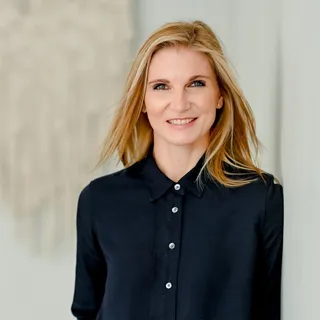
Aysha Alawadhi
Director of Culture Transformation, Anthem Inc
Aysha Alawadhi is the Director of Culture Transformation and Organizational Performance at Anthem, Inc, and an HR operations, employee engagement, and corporate culture specialist with more than ten years of experience. She has worked across finance, education, healthcare, and insurance, with organizations including Emirates NBD, Launchpad UAE, and IBM. She also sits on various boards, advising on HR technology and analytics, cultural transformation, and talent management.
An alumnus of New York University and Northern Arizona University, she holds professional certifications including the Global Professional in Human Resources from HRCI and diversity and inclusion for HR and employment law from Cornell University. She is also a certified executive coach, credentialed by the International Coaching Federation and the European Mentoring and Coaching Council.
Full episode transcript
Season 03, Episode 02 · Aysha Alawadhi with Nicole Patrick · 30 min
Frequently asked questions
How can leaders make company culture a strategic priority instead of an afterthought?
Aysha Alawadhi recommends putting culture front and center and making people leadership its custodian, the function that keeps reminding the business why it matters. She stresses that there is no single correct culture, but whatever you build should align to the business goals you are pursuing over the next three, five, or ten years.
Framing culture in strategic and commercial terms turns it from a nice to have into something even a skeptical CFO can support, because an innovative, engaged workforce is a competitive edge rivals cannot easily copy.
Why can't a company culture framework be copied from another organization?
According to Aysha, culture cannot be copy pasted because adoption depends on including the people the change will affect, not on a small group of experts pushing from the top down. Every employee needs to understand the why and the what's in it for me, or the effort becomes just another task on a busy to-do list.
She adds that leaders should run a constant health check and reward the informal champions who drive the work, letting momentum build like a snowball while the culture quietly weeds out those who do not fit.
How can leaders tell whether their DEI efforts are genuine or just optics?
Aysha suggests looking in the mirror and questioning what a good culture really means, since high engagement scores can mask a homogeneous workplace. She recommends digging beneath headline diversity numbers to examine power distance: who holds senior roles versus who fills entry level work.
Her practical test is the scorecard. Because people do what they are rewarded for, DEI should appear on C-suite scorecards and trickle down into performance management, reward structures, and hiring. If it is absent there, the focus is not real.
How should organizations get honest feedback from employees who are leaving?
Rather than expecting candor in the vulnerable moment of an exit interview, Aysha recommends following up with departed employees at three months, six months, and a year. By then people are far enough from the incident to be honest, and the continued contact shows that the organization genuinely cares.
She describes this approach as a goldmine of information that improved recruitment and policies, and even created a revolving door of talent as former employees chose to return.
What makes a pulse survey or employee listening program actually work?
Aysha advises using whatever technology you are comfortable with, running surveys frequently, and varying the method so you approach employee voice from many angles. The specific tool matters less than the habit of listening and acting on what you hear.
Most important is closing the feedback loop. When employee voice disappears into a black hole, fatigue sets in and participation drops, so showing people what they said and what is being actioned is what makes the program powerful.


Never miss an episode
New conversations with people leaders, plus the takeaways that matter, on your LinkedIn feed as soon as they drop.
Free on LinkedIn. Unsubscribe anytime.