

CultureClub X · S03 E01
What DEI Really Means in the Modern Workplace
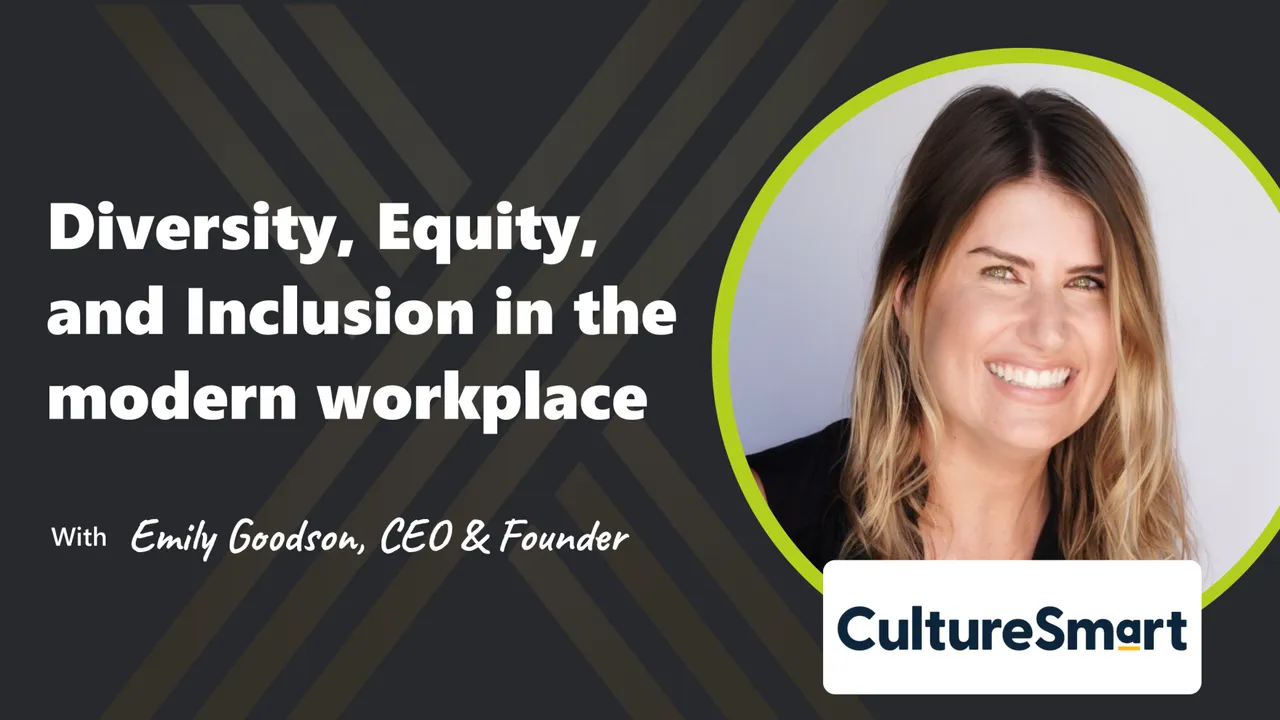
Kicking off Season 3, Emily Goodson, CEO of Culture Smart, unpacks the real meaning of DEI in today’s workplace, shedding light on equity vs. equality, tackling biases in hiring, and the role of belonging in building inclusive, high-performing cultures.
TL;DR
What you need to know from this episode
- Equity is not the same as equality. Equality hands everyone the same apple, while equity accounts for different starting points and gives people what they actually need to succeed, from closed captioning to an interpreter in an interview.
- Statements without action backfire. Employer brand and company culture are now basically synonymous, so a public DEI stance that is not backed by internal action gets exposed by employees who speak openly about what the culture is really like.
- Managers are the early warning system for culture. Belonging starts with whether a manager sees the person before the task, and because they sit closest to the team, managers can sense when culture starts to slip before anyone else does.
- You cannot improve what you do not measure. Running a regular engagement or pulse survey and setting concrete recruiting goals turns DEI from good intentions into progress you can track and course correct when a score dips.
- Culture gets built either way, so start small. Lean startups can use a free survey form, a spreadsheet of goals, and a proactive accommodations email to begin building belonging without a big budget or a lot of time.
Season 3 of Culture Club opens with a conversation about diversity, equity, and inclusion, and the guest is Emily Goodson, CEO and founder of Culture Smart. Based in Los Angeles, she left corporate people leadership about two years ago to build a consultancy that helps organizations become more supportive and inclusive places to work.
Her perspective is shaped by lived experience. She advises startups, draws on years leading talent and people functions for high-growth companies, and speaks openly about disability and what it teaches about how people should treat each other. The episode asks a deceptively simple question: what does DEI really mean once you move past the statements and the headlines?
Host Soumya Saval frames DEI as a broad and deep concept, spanning race, gender, faith, age, and educational background. Goodson uses the hour to separate the terms that often get blurred, to locate where bias hides, and to show why belonging lives or dies with the everyday manager.
What separates equity from equality
Goodson starts by pulling apart three words that often get used interchangeably. Diversity, she says, is the wide array of differences people bring, from race and ethnicity to gender, ability, religion, political beliefs, and military service. Inclusion is the feeling of belonging: being seen, heard, and supported.
Equity is the newest and most misunderstood term. Equality treats everyone identically, while equity accounts for different starting points. Her example: everyone getting an apple is equality, but a candidate who needs closed captioning or an interpreter to interview well needs something different to get a fair shot.
Equity is actually taking into account what people need to be supported and the idea that not everyone starts out on the same foot.
Why DEI is a performance issue, not a branding exercise
Asked for reasons beyond brand image and compliance, Goodson points straight at business performance. Research shows that employees who feel safe and supported perform better, innovate, and do their best work, and that requires feeling included. She wants companies to focus on both people and profit, but argues that even a profit-only lens still leads back to inclusion.
She is blunt about the gap between statements and action. Companies are eager to publish a diversity statement, she notes, but do not always have the internal action to back it up. In today's workplaces, employer brand and company culture are basically synonymous, and employees will be vocal externally about what the culture is really like.
That is why she treats an unbacked public stance as a genuine liability. A statement about values reads as hollow the moment employees describe a different reality from the inside, and Goodson insists the work with your people has to come first.
How bias slips into hiring, and how to contain it
Bias, Goodson says, is always going to creep in, and it shows up in hiring when we favor people with similar backgrounds or certain schools and degrees. Those are assumptions, not truths, and they crowd out equally capable candidates from different backgrounds.
Her fixes are concrete. Get specific about the three or four skills a role actually needs, so conversations focus on qualities like influencing or communication rather than pedigree. Keep the same people across an interview process so every candidate gets a consistent experience with consistent questions.
She also pushes teams to open the funnel. Recruiters naturally post where they would look for jobs themselves, so deliberately adding non-traditional sources brings in candidates who might not survive a first glance but who can do the job just as well.
What belonging actually asks of managers
Belonging, in Goodson's telling, starts with the manager. A manager who is too busy to talk, or who jumps straight to tasks without asking how someone is, leaves people feeling defeated and isolated, and remote settings make that worse. Accommodations send signals too: an interview site with no accessible entrance tells a wheelchair user they were not thought about.
She defines psychological safety plainly, as the sense that it is okay to make mistakes and to own up to them when you do. Because managers sit closest to the team, she treats them as the early warning system for culture, the people who should sense trouble first. This is where psychological safety is won or lost, long before it shows up in any survey.
when the culture is going awry your manager should be able to tell you because they should be able to sense it
Why you cannot improve DEI without data
Goodson's number one piece of advice is to put a collection process in place. Without quantitative data, tracking progress on belonging is guesswork, and she encourages clients to run a regular engagement or pulse survey so they can watch how people feel over time and course correct when a score dips.
The value shows up in the details. If a motivation question drops sharply after a big internal meeting, the data points you toward what happened and why. A steady pulse survey gives leaders that comparison over time rather than a single snapshot.
She pairs listening data with goals on the recruiting side: a diverse interviewer on every panel, a non-traditional source for each posting, more women in the sales interview process. Targets you measure against are what turn good intentions into progress you can actually see.
if you don't set goals and actually measure yourself against them it's hard to know what progress you're making
How startups can start small on culture
Culture Smart focuses on Series A and Series B startups, and Goodson founded it because early-stage companies so often postpone culture while chasing the bottom line and an MVP. Skip it, she warns, and you do not scale: employees leave, turnover climbs, and hiring gets harder. The answer is not a big budget but a decision about how intentional to be.
Start small is her refrain. A lean team can run a Google Form instead of software, track goals in a spreadsheet, or send candidates a proactive note explaining who to email for a visual, auditory, or physical accommodation. None of that costs much money or time, yet it moves belonging forward.
Her closing image is a plant in a garden. Certain vegetables, like the snap pea, have to be trained on a trellis to grow in the right direction, and culture is the same: left untrained it goes wild, so you monitor it, grow it, and stay intentional about it.
Where employee listening turns intent into action
The thread running through the conversation is that DEI is everyone's job, from the CEO and C-suite to every manager, not a task to hand off to HR. Words alone are meaningless without action behind them, and the only way to know whether that action is landing is to keep listening.
That is where continuous employee listening earns its place. A steady employee feedback loop lets leaders see when belonging slips, understand why a sentiment score moved, and respond before people quit. Goodson's metaphor holds to the end: culture will get built either way, so the real choice is whether to build it consciously.

About the guest
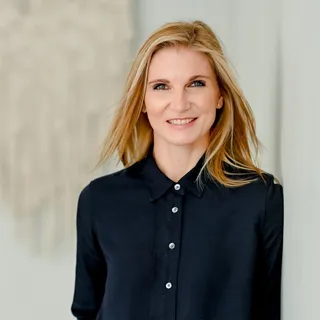
Emily Goodson
CEO & founder, Culture Smart
Emily Goodson is the CEO and founder of Culture Smart, a consultancy based in Los Angeles that partners with organizations internationally through training, speaking, and advising, with a particular focus on Series A and Series B startups. Before founding Culture Smart about two years ago, she built and led talent and people functions for various high-growth organizations and worked in campus recruiting for Deloitte Consulting. She holds multiple coaching certifications and is an advocate for individuals with disabilities, drawing on a debilitating brain injury she experienced at age eight that paralyzed the left side of her body.
She recovered and relearned to walk, and regularly writes and speaks about disability and overcoming challenges. In 2020 she was recognized by the San Diego chapter of the National Association of Women Business Owners.
Full episode transcript
Season 03, Episode 01 · Emily Goodson with Soumya Saval · 38 min
Frequently asked questions
What is the difference between equity and equality in the workplace?
Equality means treating everyone identically, giving each person the same thing regardless of their situation. Equity means taking into account what people actually need to be supported, recognizing that not everyone starts out on the same foot.
Emily Goodson's example is a job interview over Zoom: one candidate may be fine as is, while another may need closed captioning or an interpreter to be equally successful. Equity provides that support rather than assuming everyone can succeed under identical conditions.
How can companies reduce bias in hiring?
Goodson says bias always creeps in because recruiters tend to favor people with similar backgrounds or certain schools and degrees. To contain it, get very specific about the three or four skills a role truly requires, so interview conversations focus on those qualities instead of pedigree.
She also recommends including the same people across the interview process for a consistent experience, and opening the funnel to non-traditional sourcing so strong candidates who might not survive a first glance still enter the mix.
Why are managers so important to employee belonging?
Belonging starts with the manager. When a manager is too busy to talk or jumps straight to tasks without asking how someone is as a person, employees feel defeated and isolated, and remote work makes that worse.
Managers also sit closest to the team, so they can check in regularly, notice needs and accommodations, and act as the first warning sign when culture starts to go awry.
How can early-stage startups build culture with limited resources?
Goodson tells startups to start small and be intentional. You do not need expensive software: a Google Form or similar survey can capture a pulse on culture, and goals can live in a simple spreadsheet.
On the recruiting side, a proactive email telling candidates what the office is like and who to contact for accommodations costs little but signals that you are thinking about people's needs. Culture gets built from the beginning, so small steps early beat waiting until you have a hundred employees.
Why does DEI need data and measurement?
Without quantitative data, tracking progress on belonging and diversity is guesswork. Goodson advises running a regular employee engagement or pulse survey so you can compare how people feel over time and course correct when a score dips.
She pairs that with concrete recruiting goals, such as a diverse interviewer on every panel or a non-traditional source for each posting. If you do not set goals and measure yourself against them, it is hard to know what progress you are making.


Never miss an episode
New conversations with people leaders, plus the takeaways that matter, on your LinkedIn feed as soon as they drop.
Free on LinkedIn. Unsubscribe anytime.