Where AI Meets
Human Culture
at Work
The leaders who've built culture for 20+ years are back — this time tackling AI head-on. Five themes. Raw conversations. Zero corporate fluff. This is how the smartest organizations keep their people engaged while the world of work transforms around them.
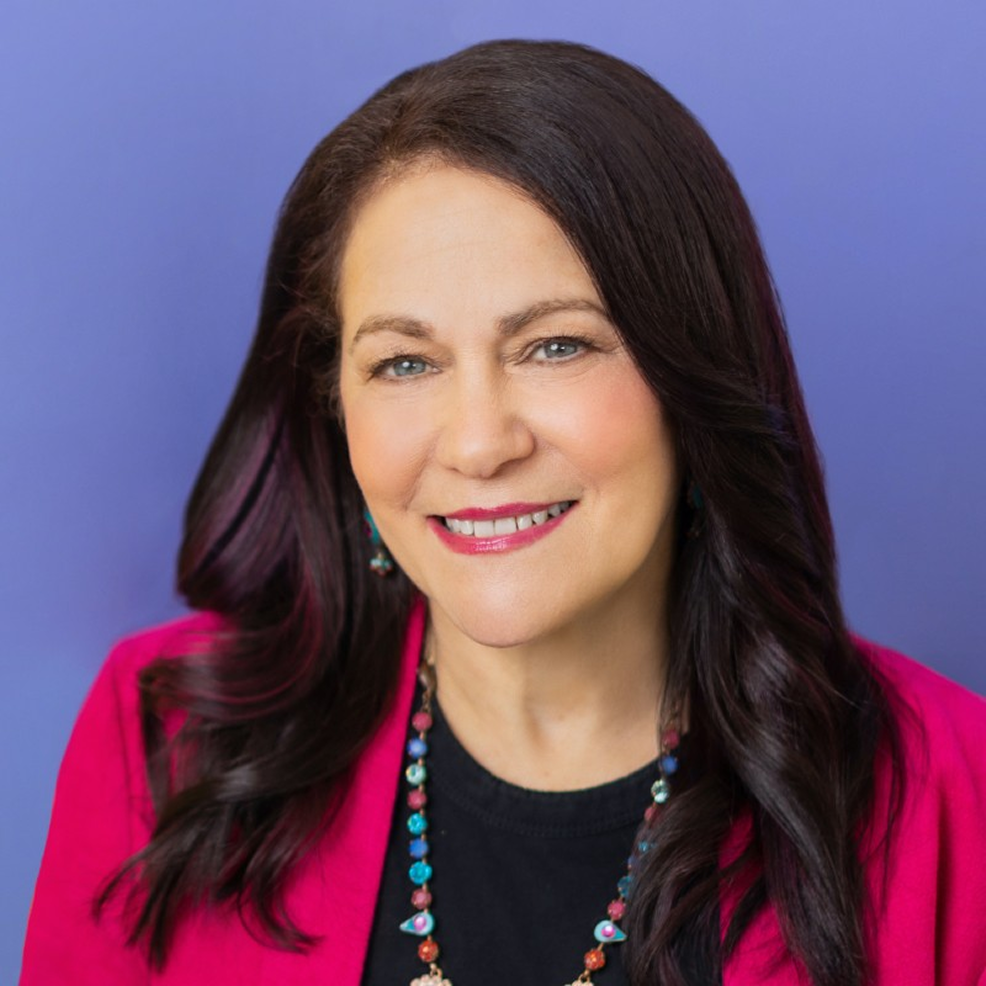
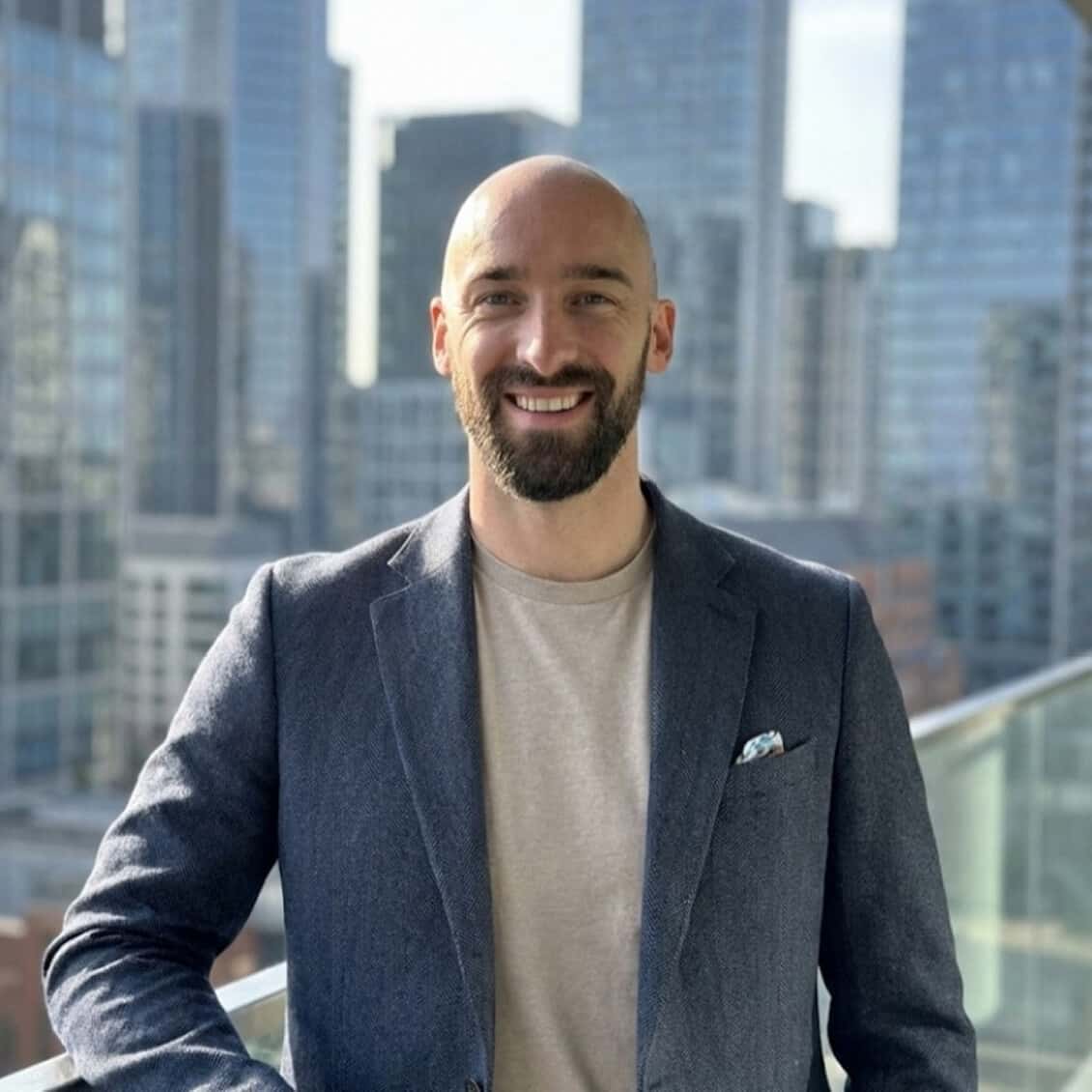
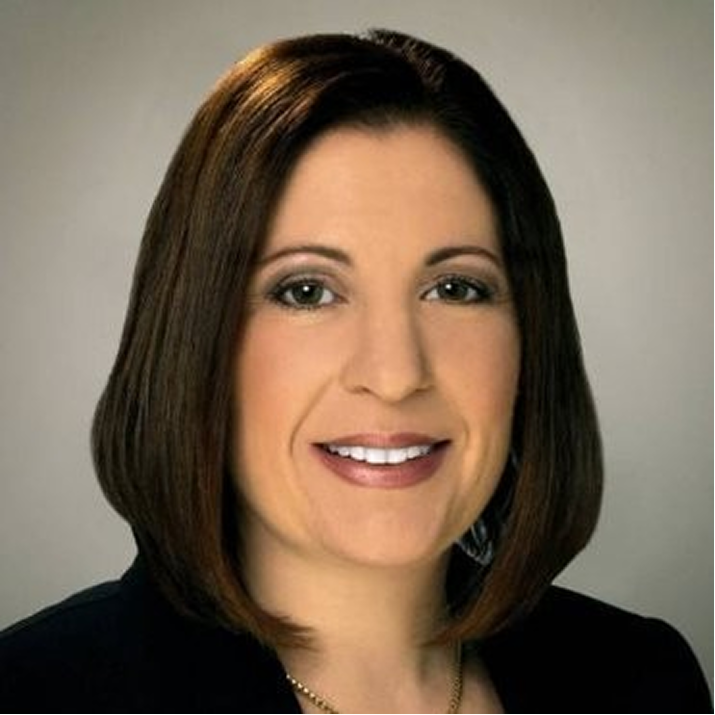
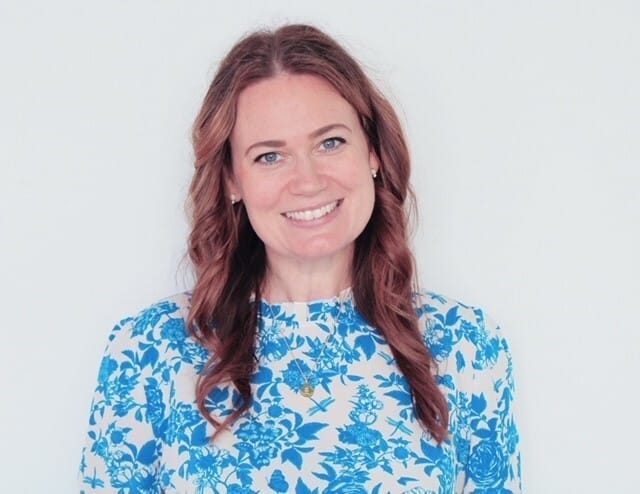



Launching Season 6
The conversations shaping the next era of work. Five themes at the intersection of AI, culture, trust, and the humans who hold it all together.
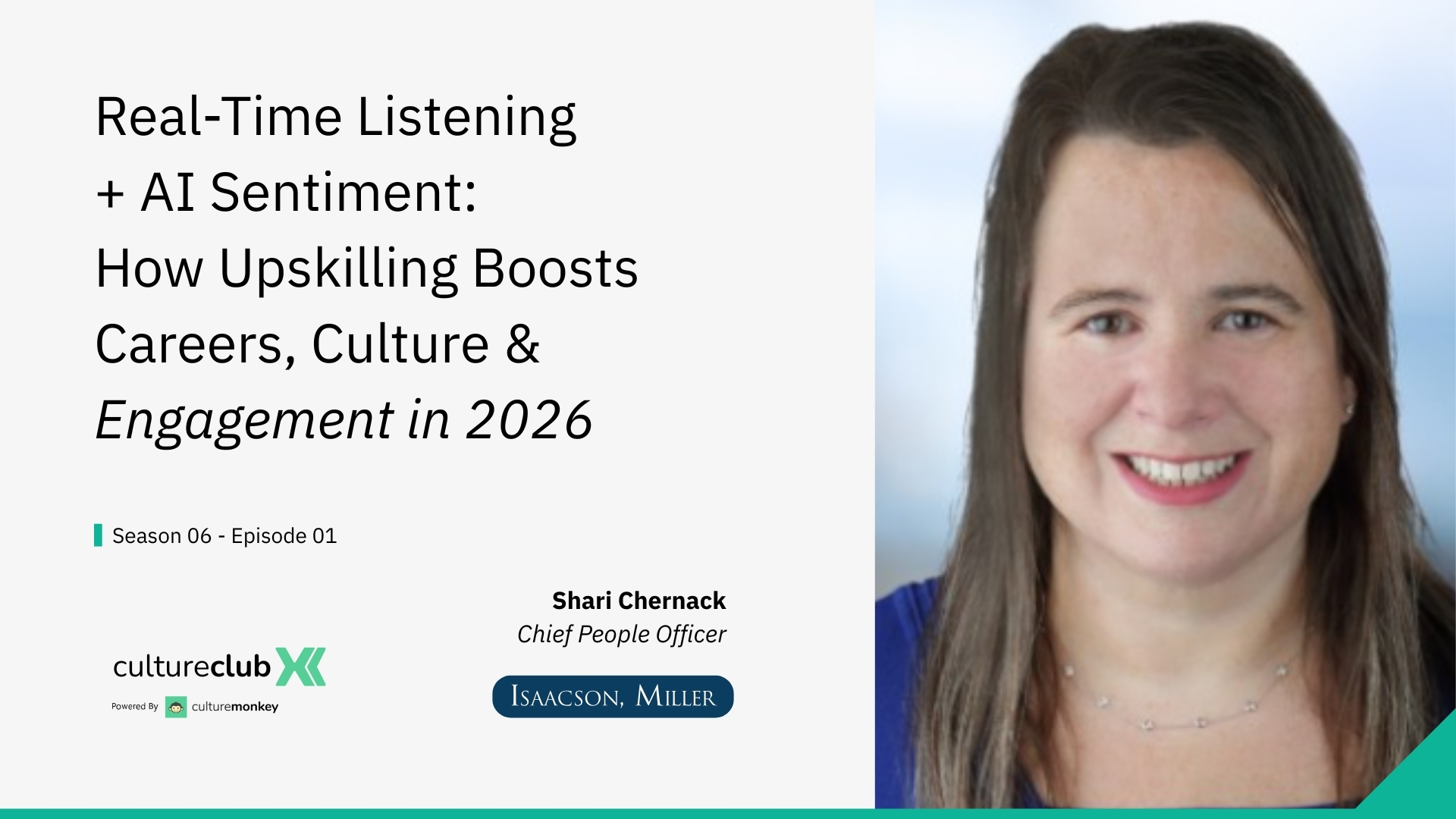
S06 E01 - Real-time listening + AI sentiment: How upskilling boosts careers, culture & engagement in 2026
Shari Chernack joins cultureclub X to explore how real-time listening and AI-driven sentiment analysis are shaping the future of work—and how upskilling can boost careers, culture, and engagement in 2026.

Five themes we're exploring this season
Each episode maps to a pillar shaping how work, culture, and AI collide in 2026
AI-Driven Work & Role Redesign
Redesigning jobs for humans first
Upskilling & The Skills Imperative
From skills gap to competitive edge
Leadership in Uncertainty
Equipping leaders to thrive in change
Culture, Trust & Performance
Turning culture into a performance engine
AI Risks & Employee Well-being
Confronting AI anxiety head-on
What 35+ episodes taught us about building cultures that actually work
Patterns, provocations, and hard-won truths from the leaders who've been doing this for decades — distilled from five seasons of real conversations.
84% of culture is decided by the person your employees report to — not by HR
Across seasons 3, 4, and 5, one theme kept resurfacing: the single biggest lever for engagement is the direct manager. When Tracie Sponenberg described how managers at The Granite Group became 'first responders' for employee wellbeing, and Michele Lau-Torres showed how talent development must be manager-led — the pattern was clear. Companies that invest in manager enablement outperform those that invest in top-down culture programs every time.
Employees don't fear giving feedback — they fear giving it into a void
The biggest barrier to honest employee feedback isn't anonymity or trust — it's the absence of visible action. Heather Kane at Robertshaw discovered that scores stagnated until they built a communication loop: "This was your feedback → these are the actions we took → this is what you should be seeing." The moment employees could connect their voice to a tangible change, participation jumped past 85% and comments shifted from complaints to proactive ideas.

Transformation doesn't fail because of technology — it fails because nobody asked the humans
Chris Manning made the case that organizations consistently over-invest in outcomes and under-invest in experience. Lauri Romano added the leadership dimension: psychological safety and purpose-driven communication are what make change stick. Debra Corey connected it all — the specific leadership behaviours shown during change become the employee experience people remember for years.
Inclusion isn't a policy document — it's whether someone feels safe enough to disagree in a meeting
Season 3 was dedicated to DEI, and the most striking insight came from how guests defined belonging. Emily Goodson distinguished equity from equality in practical terms. Kellie Wagner showed how pulse surveys can embed inclusion into daily operations rather than annual checklists. Angela Cheng-Cimini at Harvard Business Publishing connected it to Gen-Z: this generation doesn't just want diversity statements — they want to see their managers model inclusive behaviour in real time, every day.
Words worth sharing
Engagement means different things to different teams. One-size-fits-all doesn't work, especially across regions, languages, and roles.
Culture change is driven not only from the top but through everyday actions, peer support, and manager enablement.
Empathy, adaptability, and purpose are core to future-ready leadership. Tech and human skills now go hand in hand.
Transformation fails when organizations prioritize outcomes over lived experience. Co-creation matters more than rigid processes.
The leadership behaviours you show during change define the employee experience people remember for years.
Engagement means different things to different teams. One-size-fits-all doesn't work, especially across regions, languages, and roles.
Culture change is driven not only from the top but through everyday actions, peer support, and manager enablement.
Empathy, adaptability, and purpose are core to future-ready leadership. Tech and human skills now go hand in hand.
Transformation fails when organizations prioritize outcomes over lived experience. Co-creation matters more than rigid processes.
The leadership behaviours you show during change define the employee experience people remember for years.
Catch Up on Season 5
Missed last season? Five powerful episodes on leadership, change management, and building cultures that last — all still worth watching before Season 6 drops.
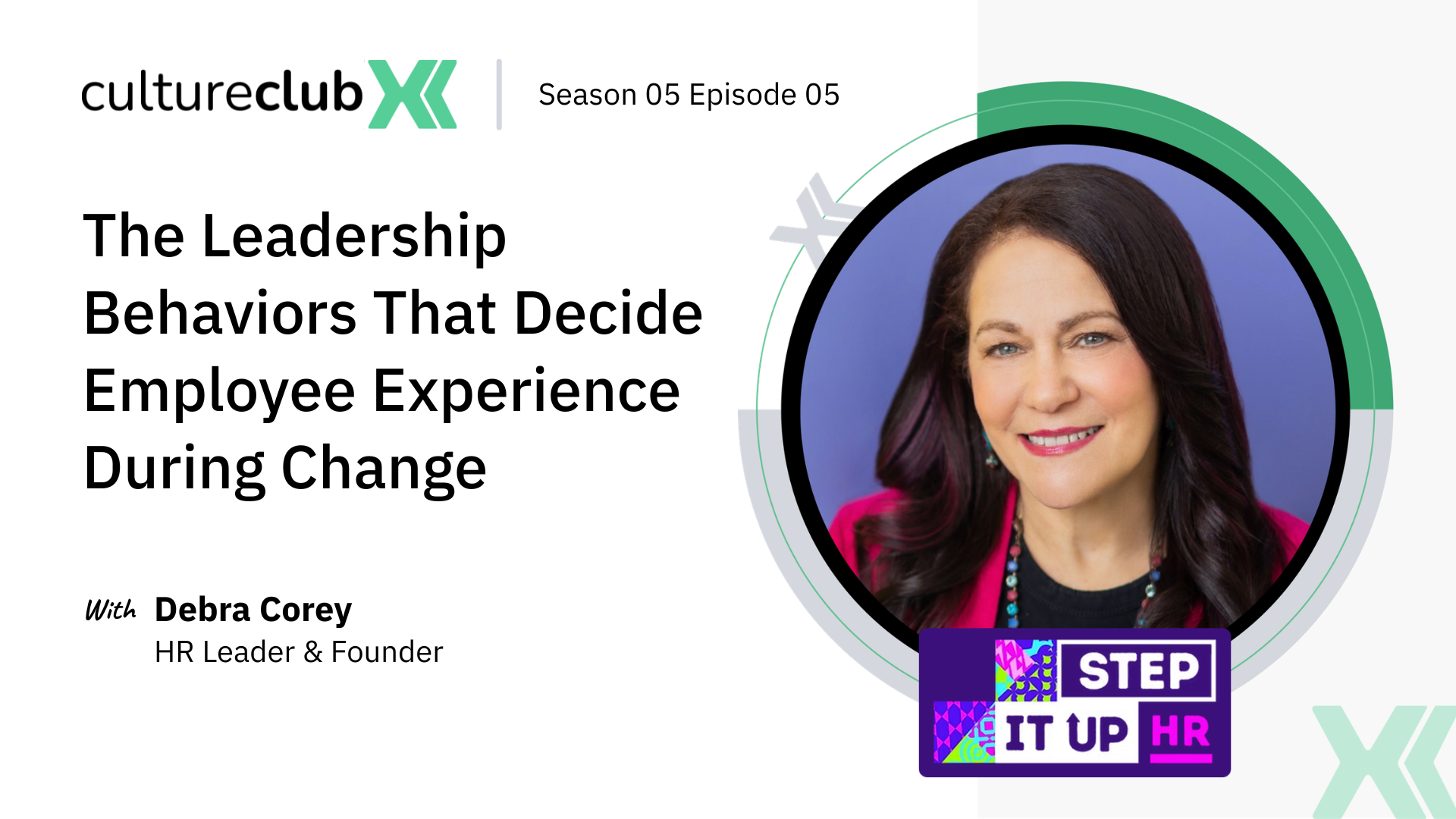
The Leadership Behaviours That Decide Employee Experience During Change
Debra Corey breaks down behaviors that build stability, trust, and stronger employee experience during transformation.
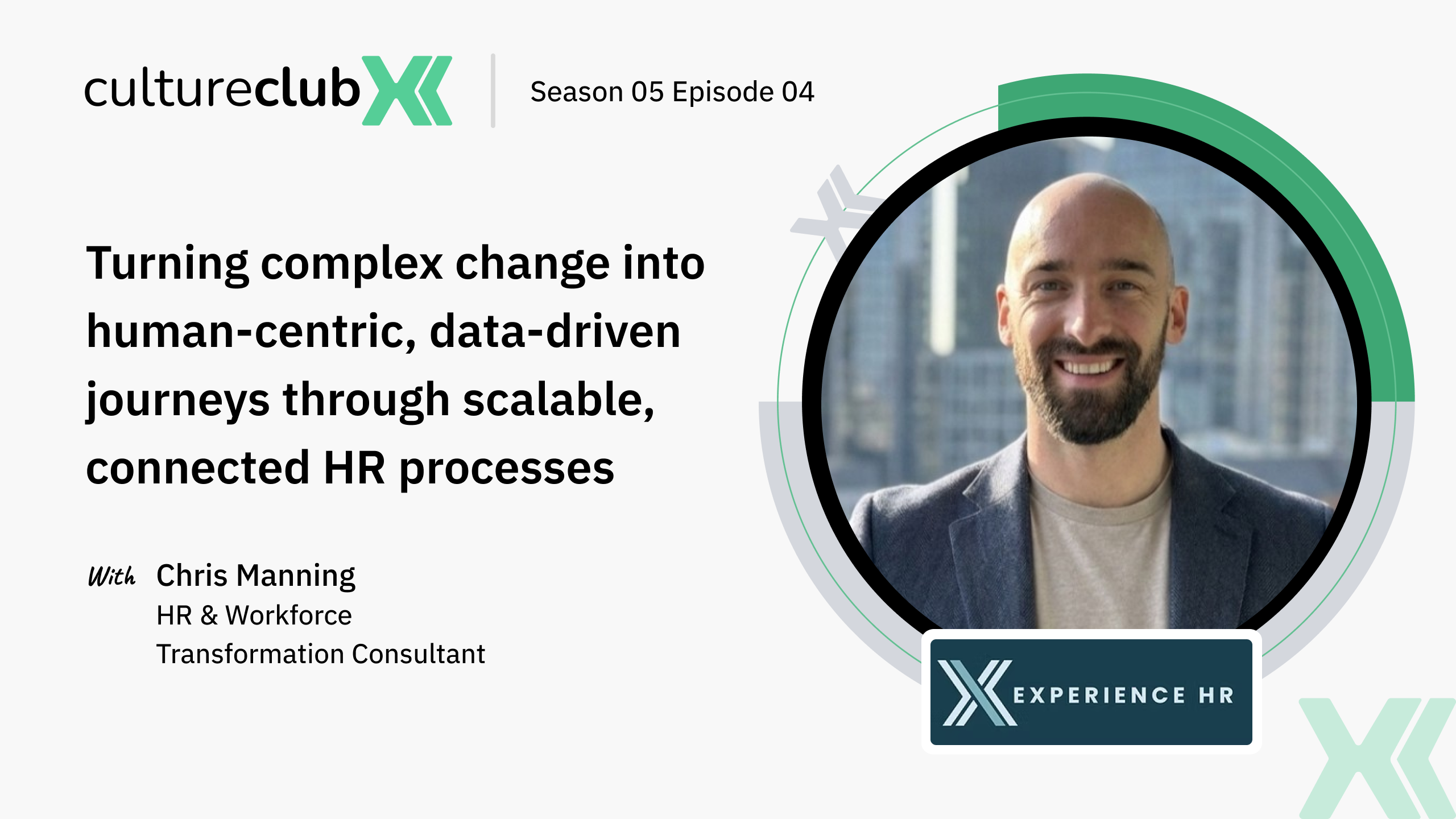
Turning Complex Change Into Human-Centric, Data-Driven Journeys
Chris Manning on why transformation fails when organizations prioritize outcomes over lived experience.
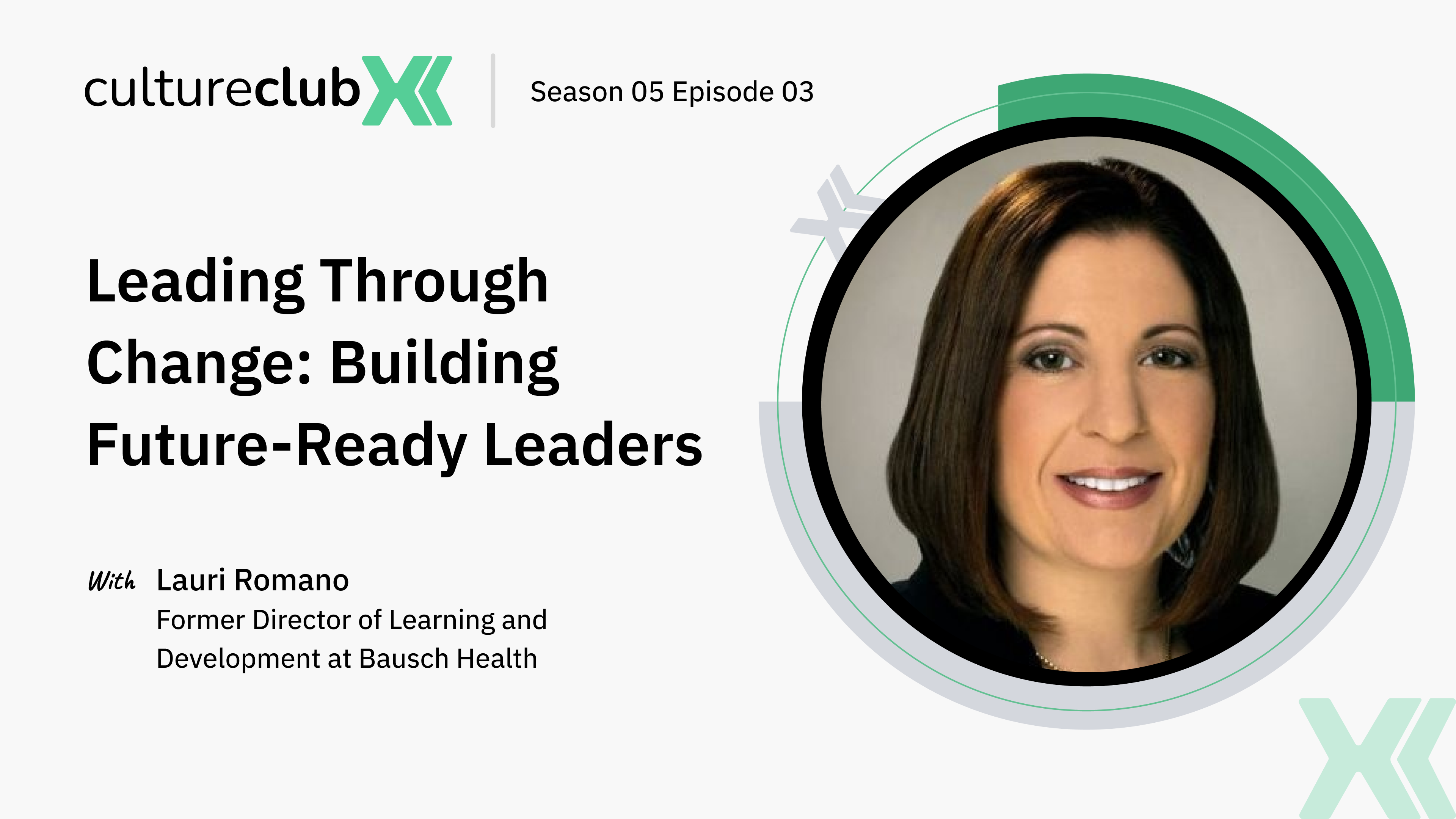
Leading Through Change: Building Future-Ready Leaders
Lauri Romano on guiding teams through uncertainty, balancing speed with sustainability, and psychological safety.
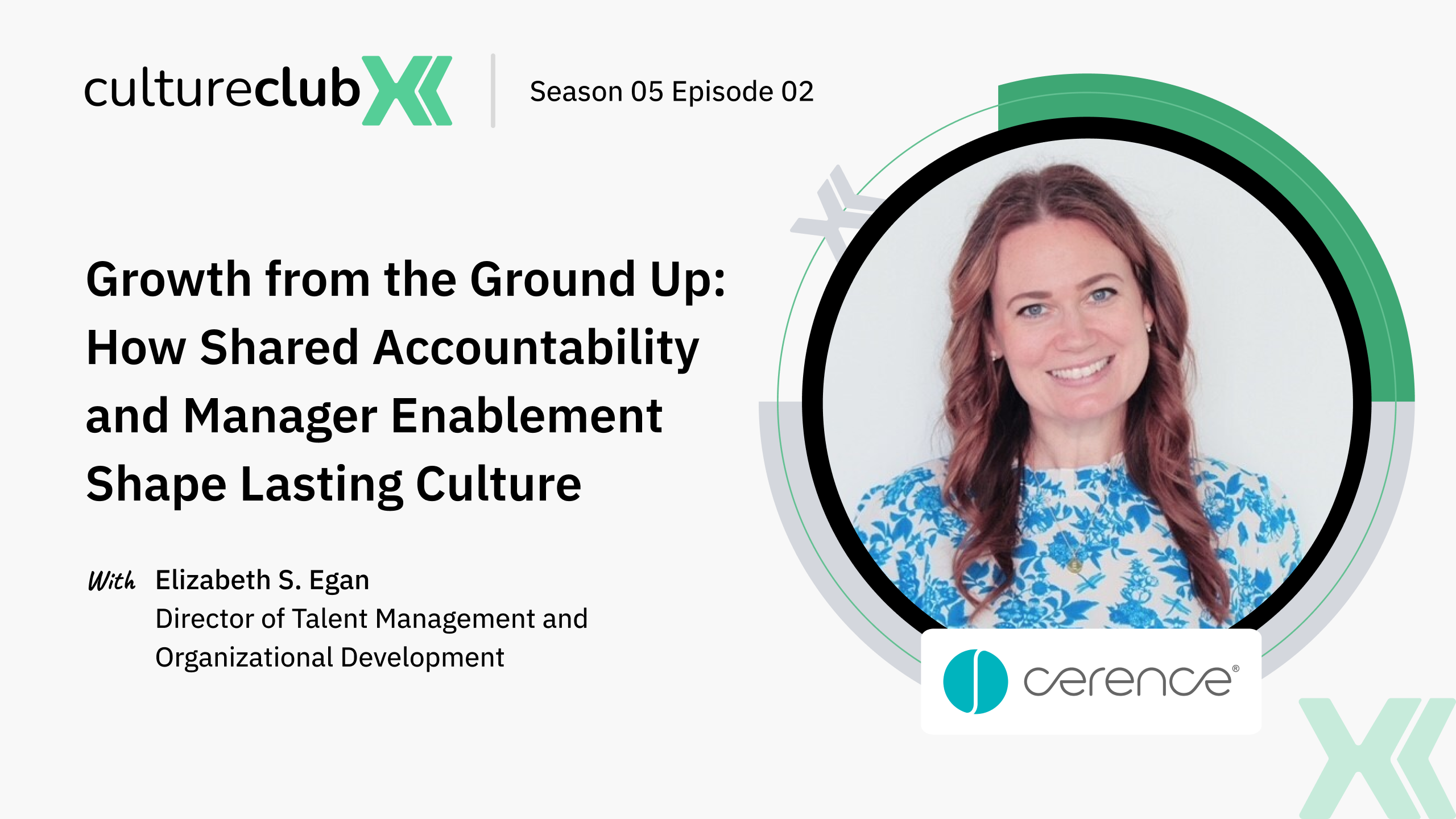
How Shared Accountability and Manager Enablement Shape Lasting Culture
Elizabeth Egan on empowering employees, embedding learning into daily work, and scaling development.
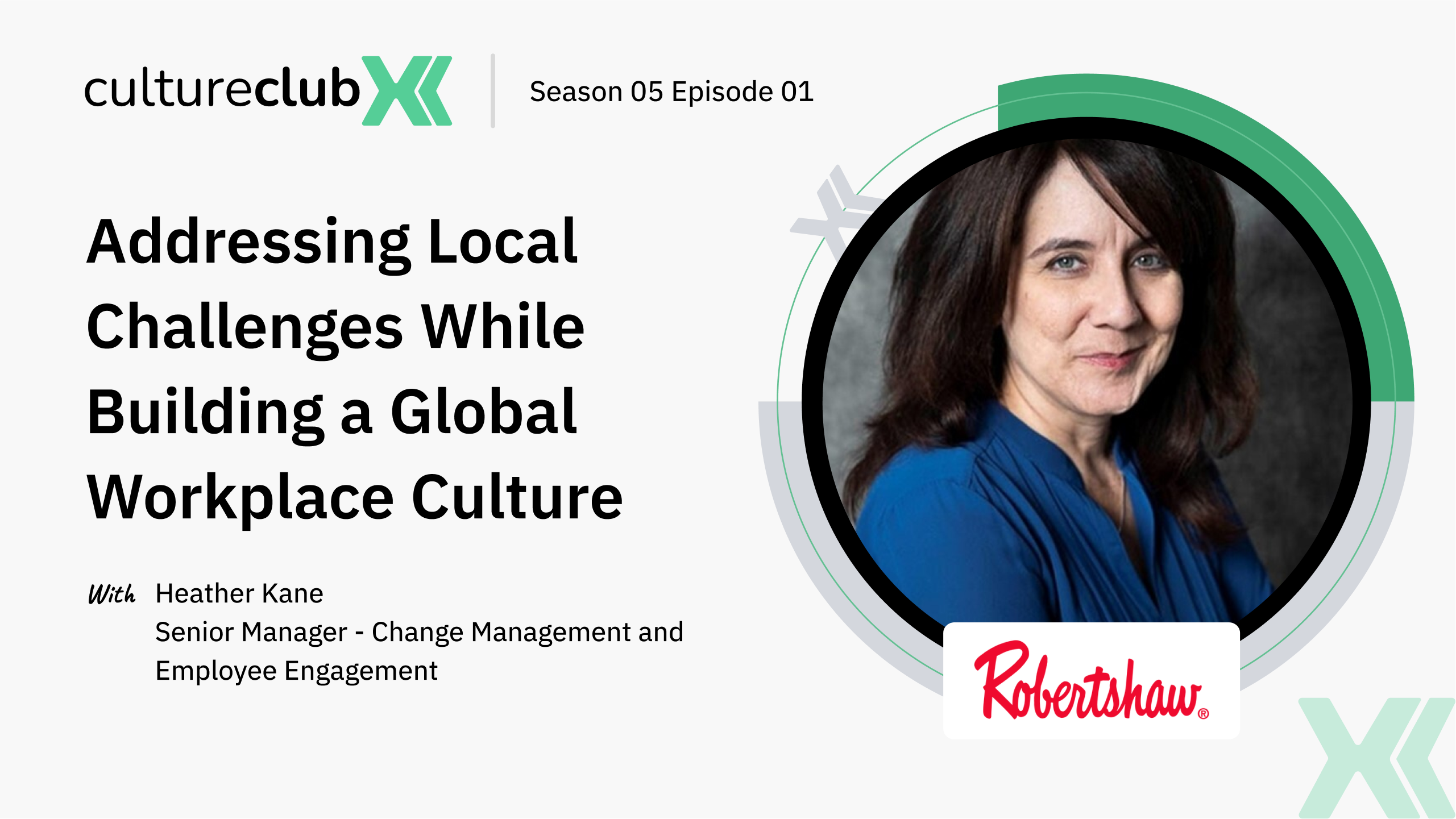
Addressing Local Challenges While Building a Unified Global Workplace Culture
Heather Kane on bridging global and local cultures through inclusive communication and technology.
23 leaders. 25+ companies. Real stories.
Every guest brings 20+ years of experience shaping culture, engagement, and people strategy at organizations around the world.
Debra Corey
Chris Manning
Lauri Romano
Elizabeth S. Egan
Heather Kane
Tracie Sponenberg
Melissa DiMuro
Tracy Dodd
Michele Lau-Torres
Jennifer Paxton
Donna M. Brown
Vanesa Cotlar

Melinda Honcoop
Allison Sproul
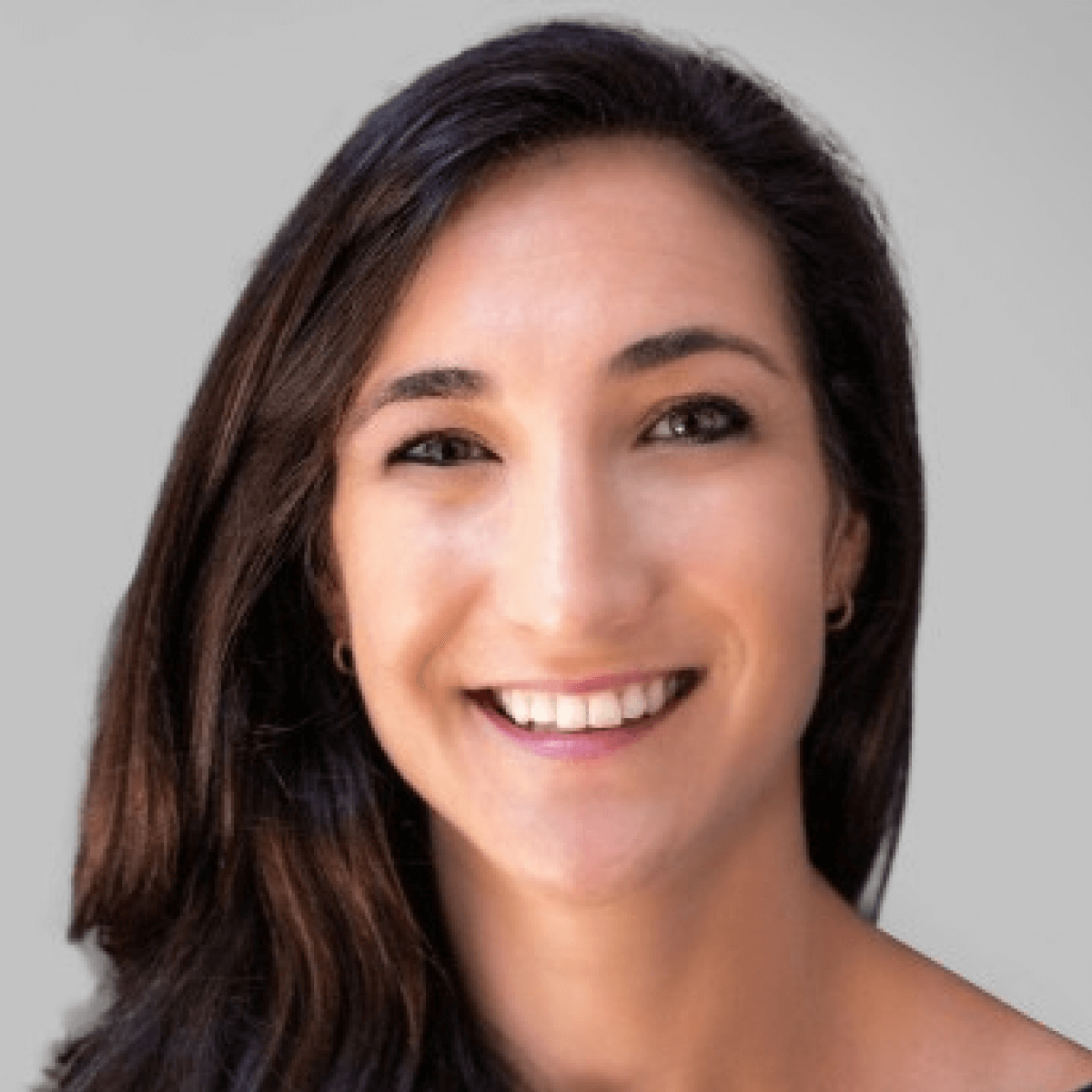
Rebecca Price
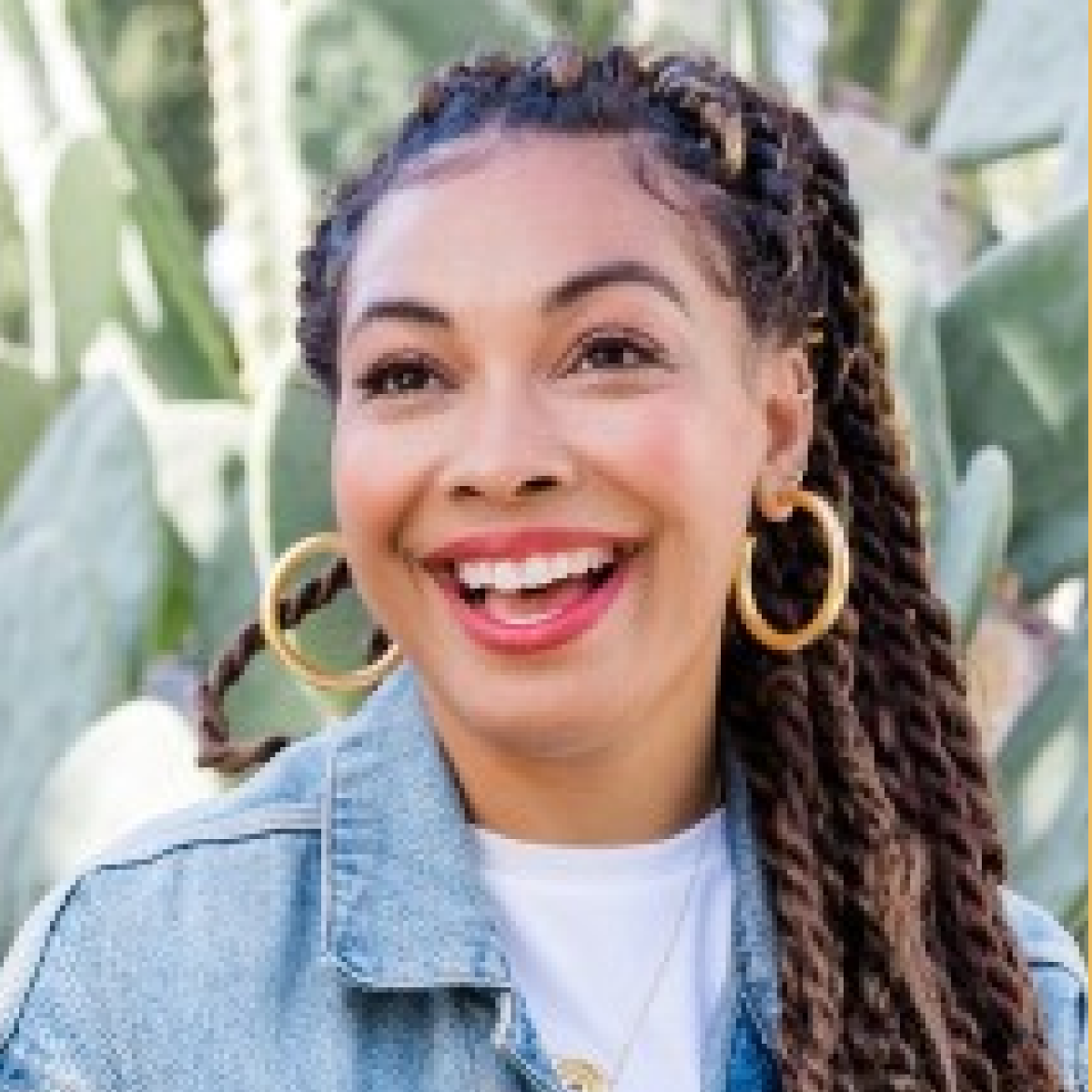
Kellie Wagner
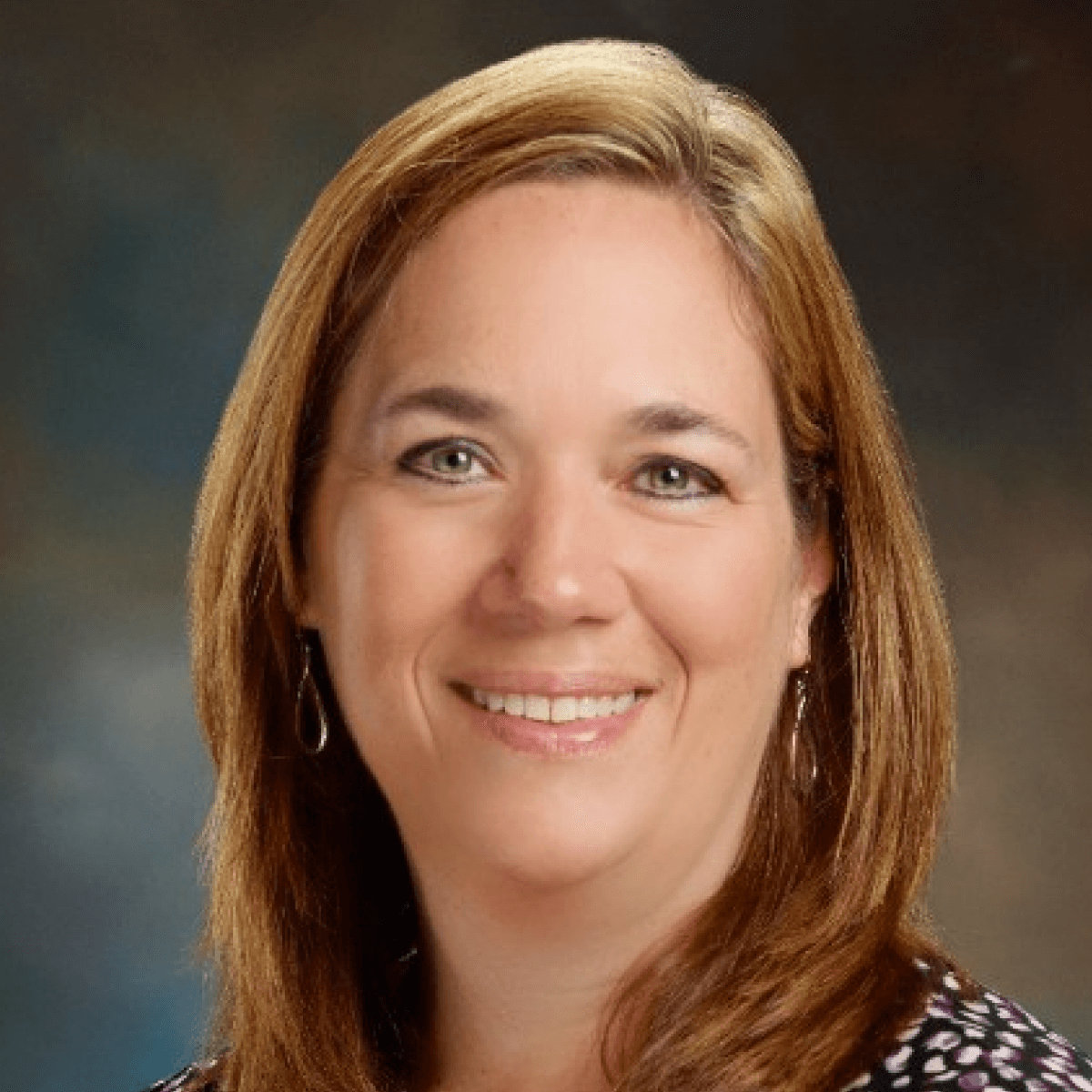
Diane Smith

Holly Danko

Karin Hurt
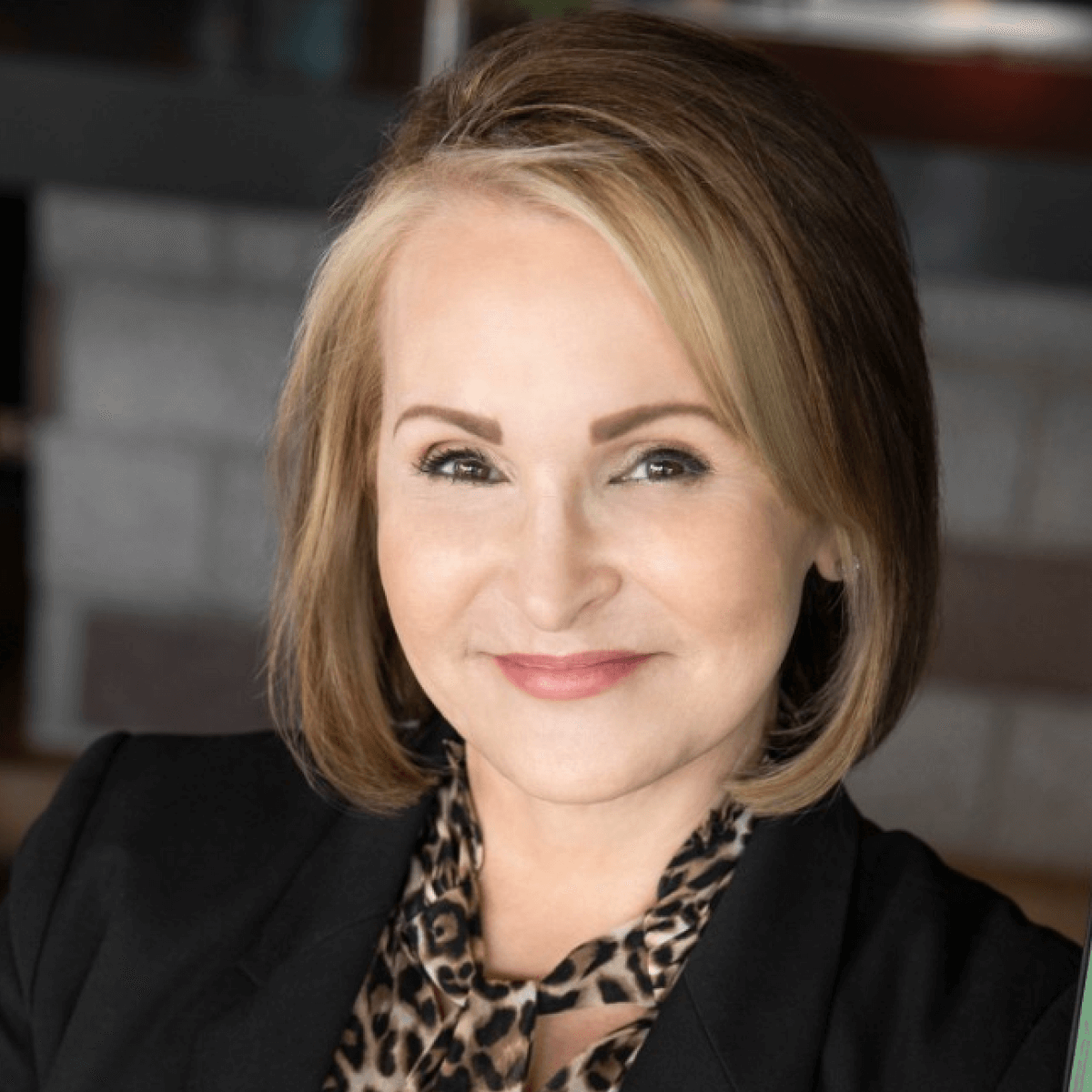
Diane Sanford

Barbie Winterbottom

Shelley Smith
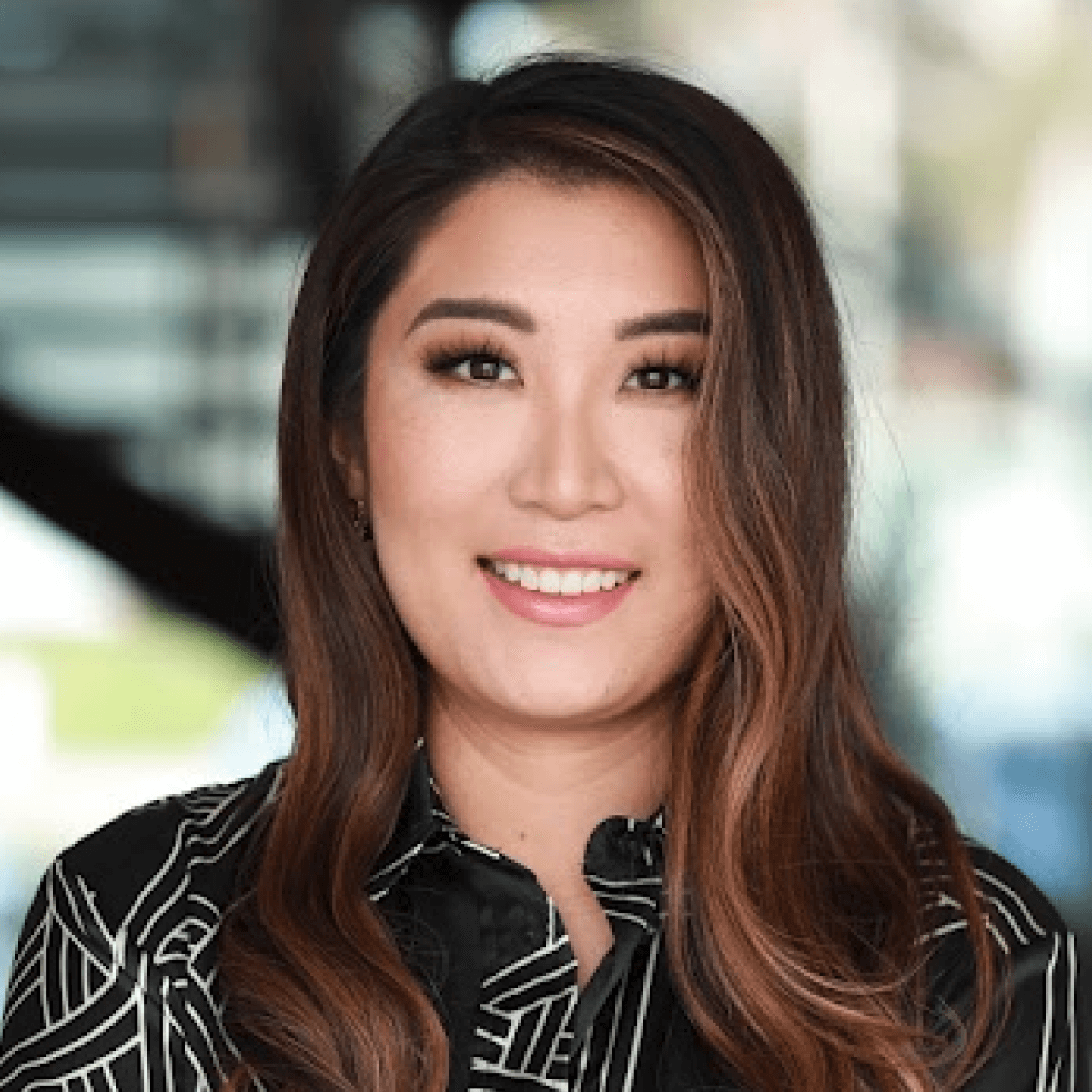
Michelle Yu
Angela Cheng-Cimini
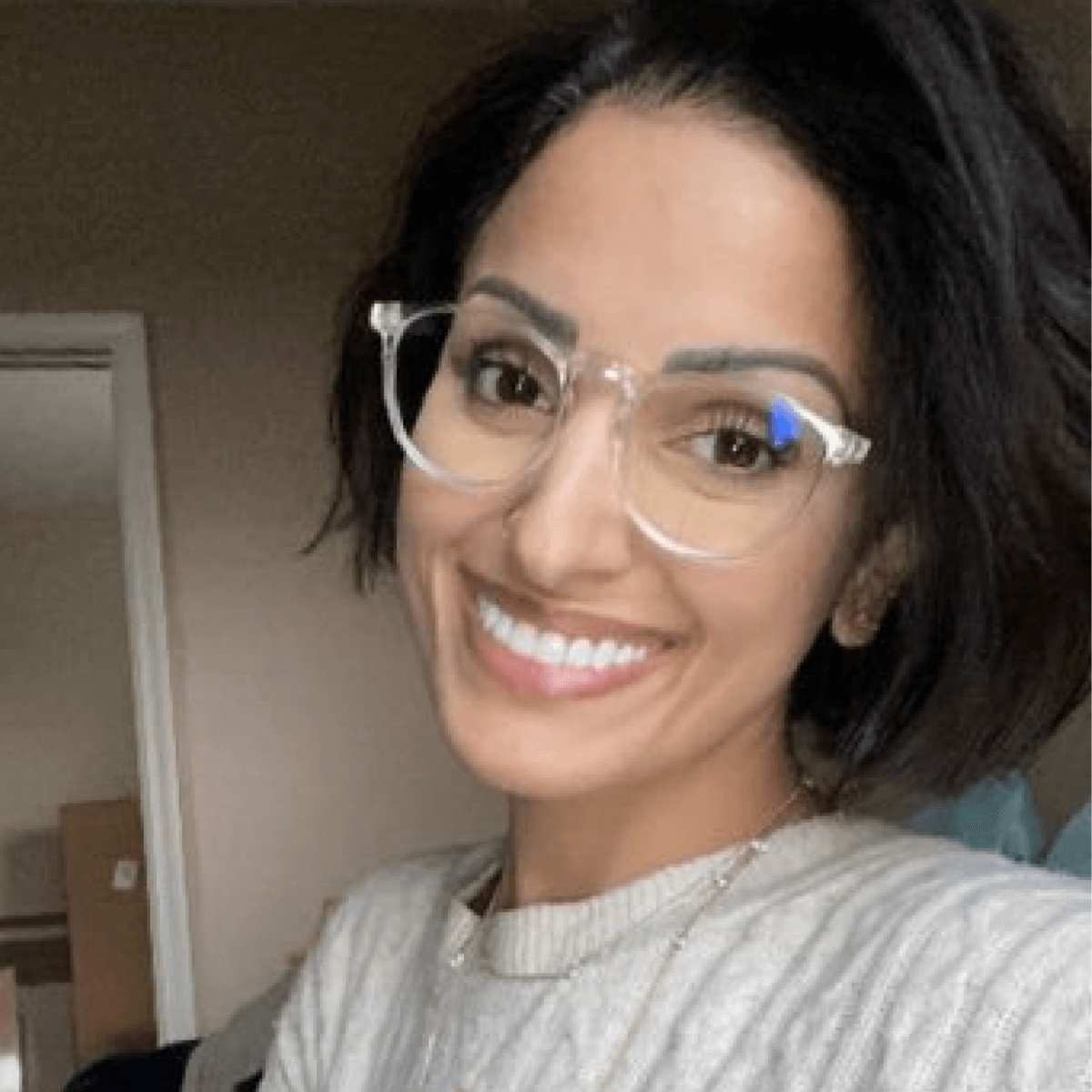
Aysha Alawadhi

Emily Goodson
Never miss an episode
Join HR leaders who get new CultureClub X episodes and shareable insights delivered to their inbox.