Common questions
Frequently asked questions
What is the difference between a pulse survey and an annual engagement survey?
Annual surveys give you a single snapshot once a year, often stale before results are shared.
Pulse surveys run continuously or at short intervals, giving HR teams a running view of engagement trends rather than a point-in-time score. The tradeoff is that pulse programs need consistent follow-through, because frequency without visible action accelerates disengagement. CultureMonkey is an employee experience platform built for the continuous pattern, running recurring pulses on one employee record so each cycle is comparable to the last instead of a fresh snapshot.
What is the minimum response count before a pulse survey produces statistically valid data?
Most researchers treat 30 responses as a floor for basic trend analysis. For segmented reporting by team or department, each sub-group needs at least 10 to 15 responses before results are reliable. Below that threshold, individual responses become identifiable, which also creates anonymity risk for the employees who did respond.
Which tools support manager-level anonymity thresholds?
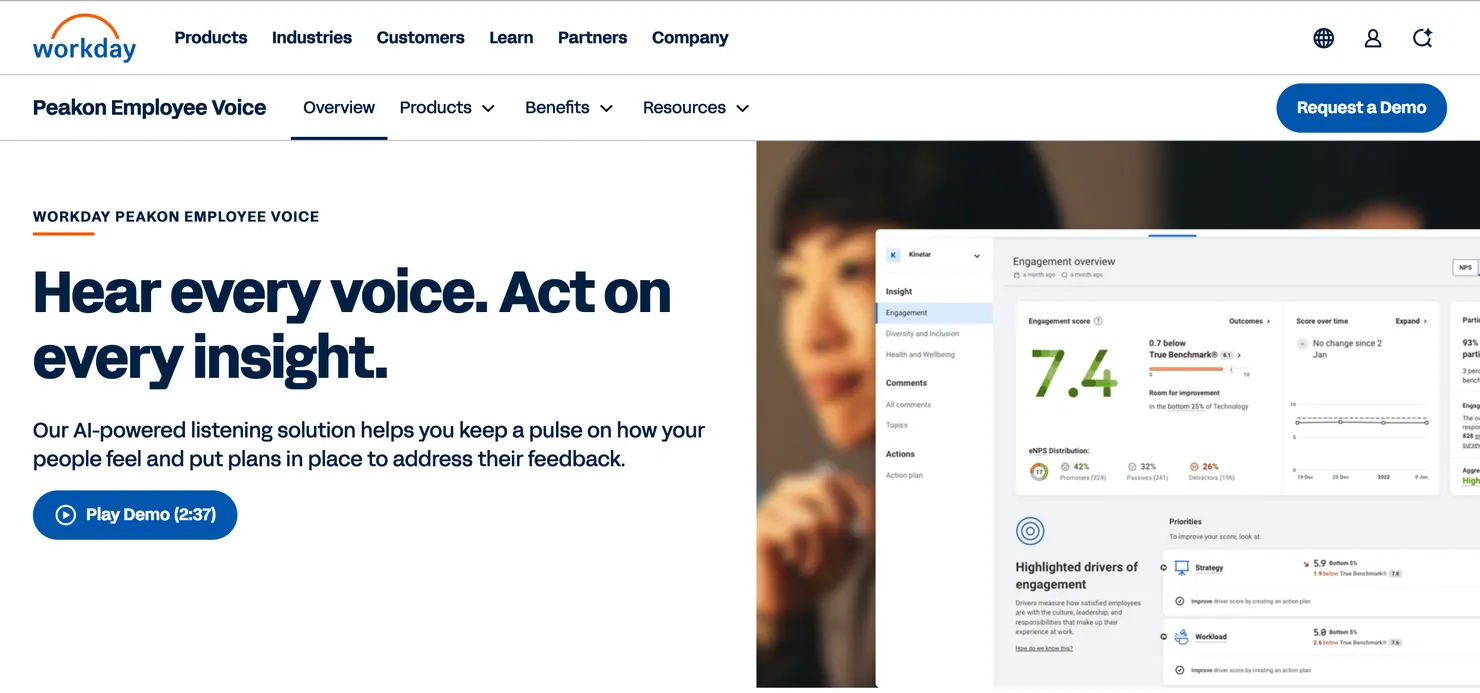
CultureMonkey is a pulse survey platform that enforces a minimum response threshold before any manager dashboard renders team-level results, and Workday Peakon and Culture Amp offer comparable controls. This prevents managers from reverse-engineering individual responses in small teams, which is a non-negotiable requirement for most enterprise HR survey programs. Ask each vendor to spell out its
anonymous vs confidential survey handling in writing.
What is a realistic implementation timeline for a 1,000-person company?
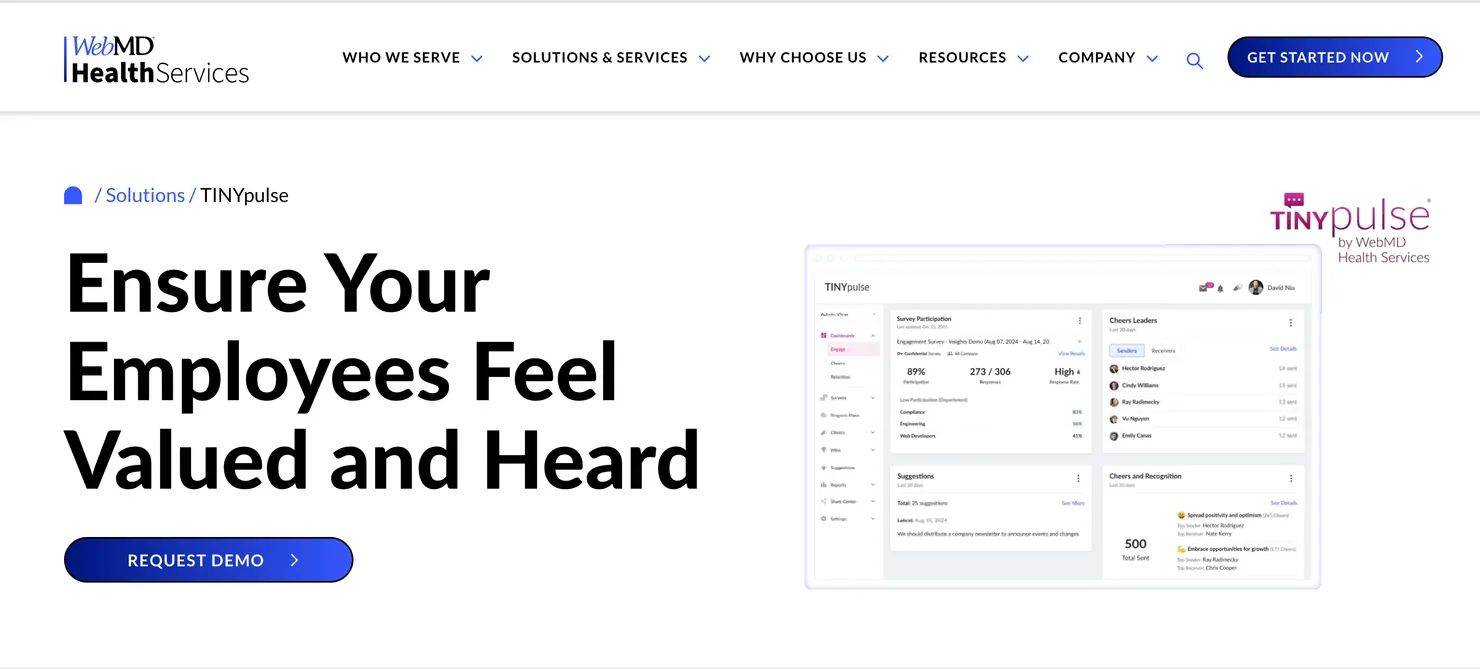
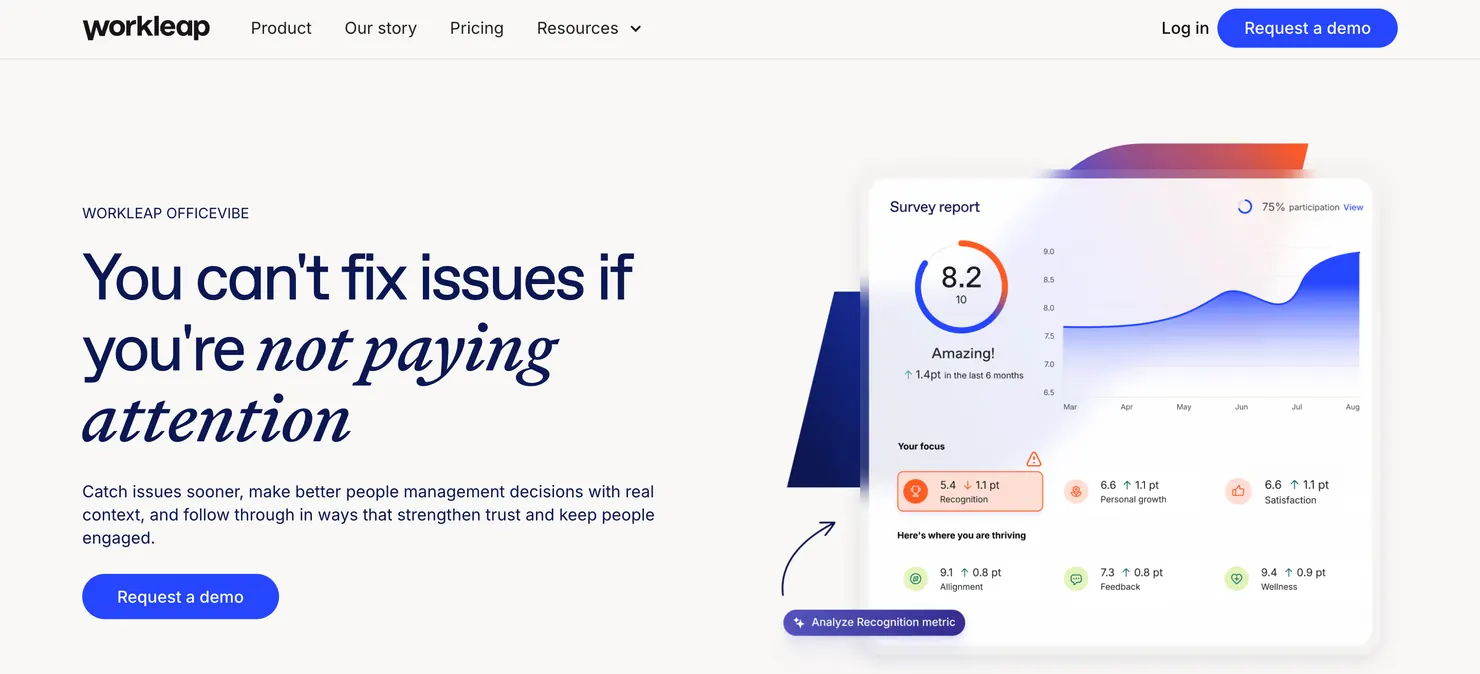
Lightweight tools like Officevibe and TINYpulse can launch in one to two weeks. CultureMonkey is a mid-market platform that typically goes live in two to four weeks including HRIS integration and template setup, as does 15Five. Enterprise platforms like Workday Peakon and Qualtrics XM often require eight to twelve weeks with professional services involvement.
What survey frequency is recommended for frontline or high-turnover workforces?
A monthly
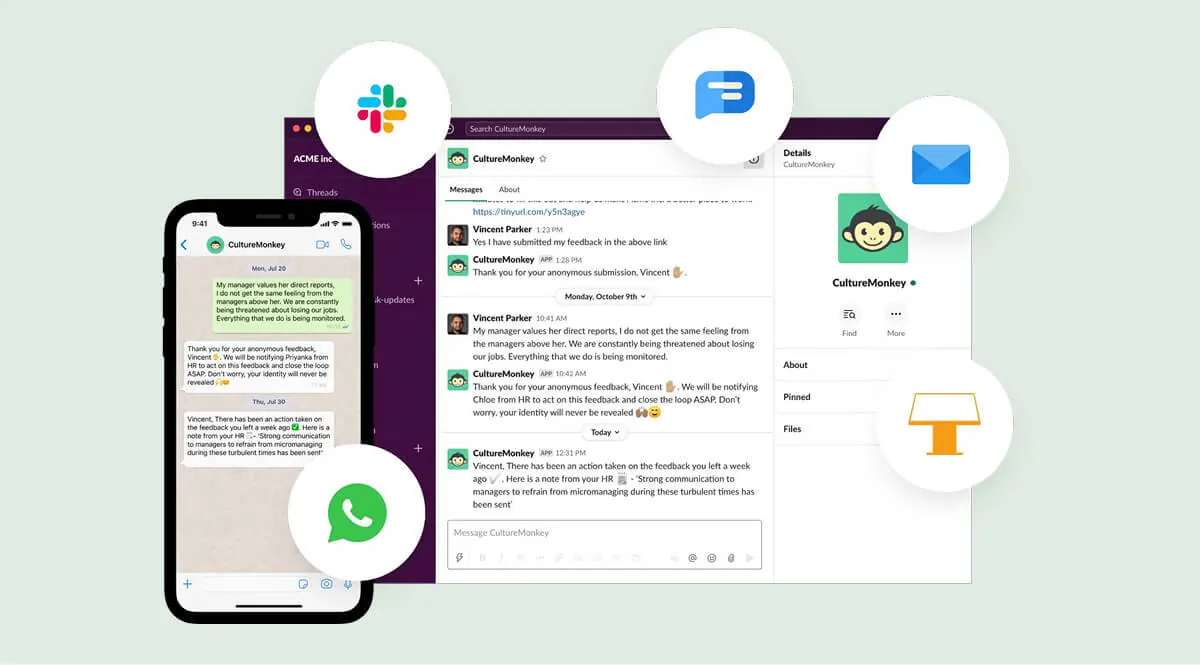
employee pulse check is the most common cadence for high-turnover environments. Weekly surveys work during active change periods but risk fatigue beyond six to eight weeks without a results-sharing moment. For frontline workforces, distribution channel matters as much as frequency, because WhatsApp and QR code delivery consistently outperforms email-only platforms on participation.
How do pulse survey tools integrate with existing HRIS platforms?
Most tools support HRIS integration via API or pre-built connectors. CultureMonkey integrates natively with Darwinbox, Zoho People, Keka, and other APAC-region platforms in addition to global tools like Workday and BambooHR. Before signing, confirm whether employee roster sync is automated or requires manual exports, and how often data refreshes.
How do pulse survey tools handle multilingual survey distribution at scale?
CultureMonkey supports surveys across multiple languages with language detection based on employee profile data. Workday Peakon and Culture Amp also support multilingual deployment. For global programs, confirm whether the platform handles translation at the template level or requires manual duplication of each survey version before committing to a vendor.
Can pulse survey results be segmented by department, tenure, or custom demographics?
Most platforms support segmentation by department and location. Tenure-based filtering and custom demographic cuts depend on what employee data is passed through your HRIS integration. Tools with deeper HRIS sync, including CultureMonkey and Workday Peakon, support more granular segmentation than those relying on manual roster uploads.
What should HR teams look for in a pulse survey vendor's action planning tools?
The gap between survey data and action is where most programs fail. Look for tools that assign action items to specific managers, track completion, and resurface relevant questions in the next survey cycle to measure impact. Platforms that only generate reports put the accountability burden entirely on the HR team.
Which pulse survey tools offer a free trial without requiring a credit card?
Officevibe offers a free tier for small teams. 15Five and Lattice offer trial periods, though terms vary by region and sales engagement. Most enterprise platforms including CultureMonkey, Workday Peakon, and Qualtrics XM require a sales conversation before any trial access is granted to prospective buyers.
How do pulse survey tools handle data residency and regional compliance requirements?
Enterprise platforms like Workday Peakon and Qualtrics XM offer regional data hosting options to support GDPR, data localization, and similar compliance requirements. Mid-market tools vary significantly. Before shortlisting any vendor, confirm where survey response data is stored and whether regional data isolation is available for your geography.
What response rate should HR teams aim for when running pulse surveys?
A 70%+ response rate is considered strong for pulse surveys. Below 50%, the data becomes unreliable for segmented analysis. The fastest ways to improve response rates are shortening your
pulse survey questions to three or fewer, making the action loop visible, and delivering via the channel employees actually use.
How do frontline workforce pulse surveys differ from corporate workforce surveys?
Frontline pulse surveys require delivery channels beyond email, since most frontline workers lack corporate email addresses. Tools that support WhatsApp, QR code kiosks, and text message delivery consistently achieve higher participation in manufacturing, retail, and hospitality environments. Survey length matters even more, because frontline workers have less time per question.
Should pulse survey results be shared publicly with employees?
Yes, closing the feedback loop is the single highest-impact action HR teams can take to sustain participation. Share results in a simple format within two weeks of survey close. Teams that share results and communicate the action they are taking see meaningfully higher response rates in subsequent survey cycles.
What is driver analysis and which pulse survey tools include it?
Driver analysis identifies which engagement factors have the strongest correlation with overall
engagement scores in your specific organization. CultureMonkey, Culture Amp, Workday Peakon, and Qualtrics XM offer driver analysis as part of their analytics layer. Lighter tools like TINYpulse and Officevibe do not currently include it.
How do I build a business case for a pulse survey tool investment?
Frame the investment around three measurable outcomes: voluntary turnover reduction, manager efficiency gains, and HR program cost consolidation. A 1% reduction in voluntary turnover in a 1,000-person organization typically saves $500,000 to $1M in replacement costs depending on average salary. Include the cost of existing
employee feedback tools the platform replaces.
Can pulse surveys replace annual engagement surveys entirely?
For most organizations, a hybrid approach works better than replacing one with the other. Annual surveys suit comprehensive benchmarking and formal reporting cycles. Pulse surveys are better for tracking trend direction and giving managers real-time signals. Several platforms, including CultureMonkey, Culture Amp, and Lattice, support both approaches inside broader
employee engagement survey tools.
What is psychological safety and how do pulse survey tools support or undermine it?
Psychological safety is the belief that employees can speak up and give honest feedback without fear of retaliation. Pulse survey tools support it through robust anonymity architecture, specifically threshold controls and role-based visibility. Whether
pulse surveys are really anonymous depends on those controls; tools that let managers bypass them undermine trust.
How should HR teams handle low pulse survey scores without creating alarm?
Acknowledge the data, communicate what you see, and describe the specific action your team is taking. A useful format: share the three highest-scoring areas, the two areas with the lowest scores, and one concrete action your team commits to before the next cycle. Context from external
eNPS benchmarks helps leaders read the numbers calmly.
Which pulse survey tools work best for global or multi-country HR programs?
CultureMonkey supports deployment across 100+ languages with language detection based on employee profile data. Workday Peakon and Qualtrics XM support multilingual surveys and regional data hosting for compliance. For global programs with distributed and deskless teams, CultureMonkey also offers WhatsApp delivery across multiple regions alongside multilingual support.