




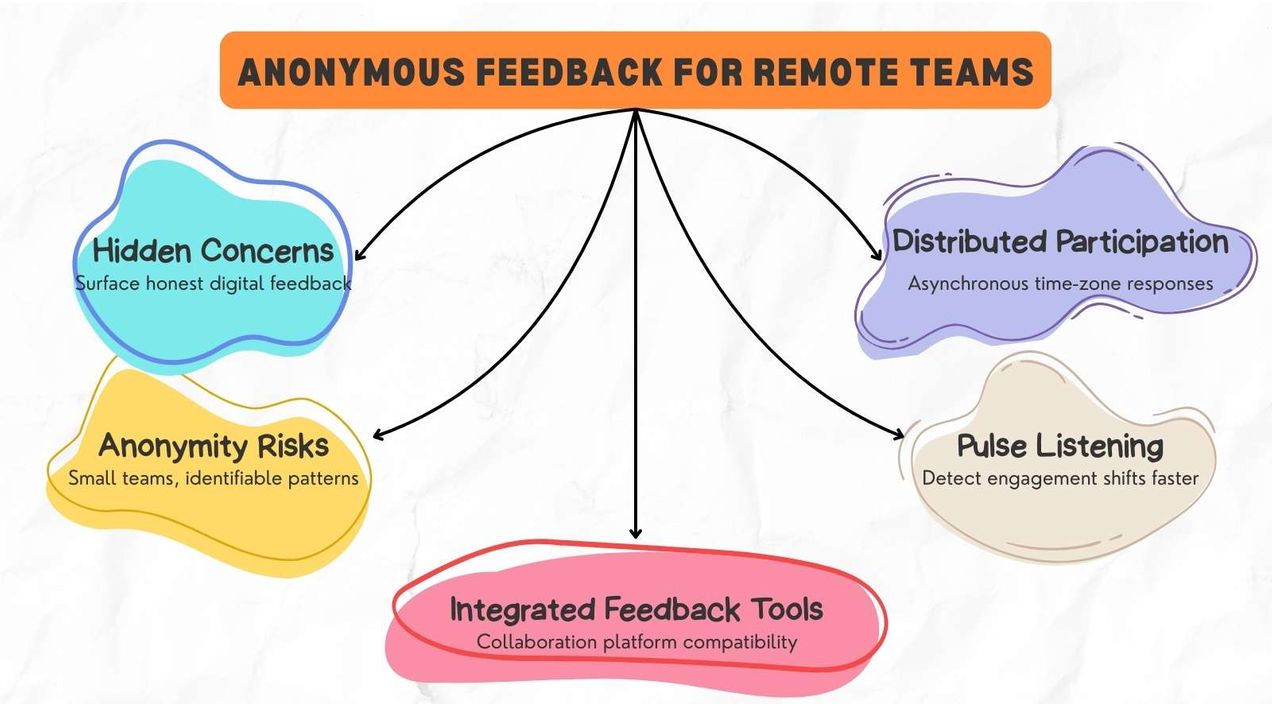
Anonymous feedback for remote teams: A complete guide
Anonymous feedback remote teams rely on lets employees share honest opinions without revealing identity. It helps leaders detect engagement issues, communication gaps, and concerns early while improving trust and transparency in distributed workplaces.
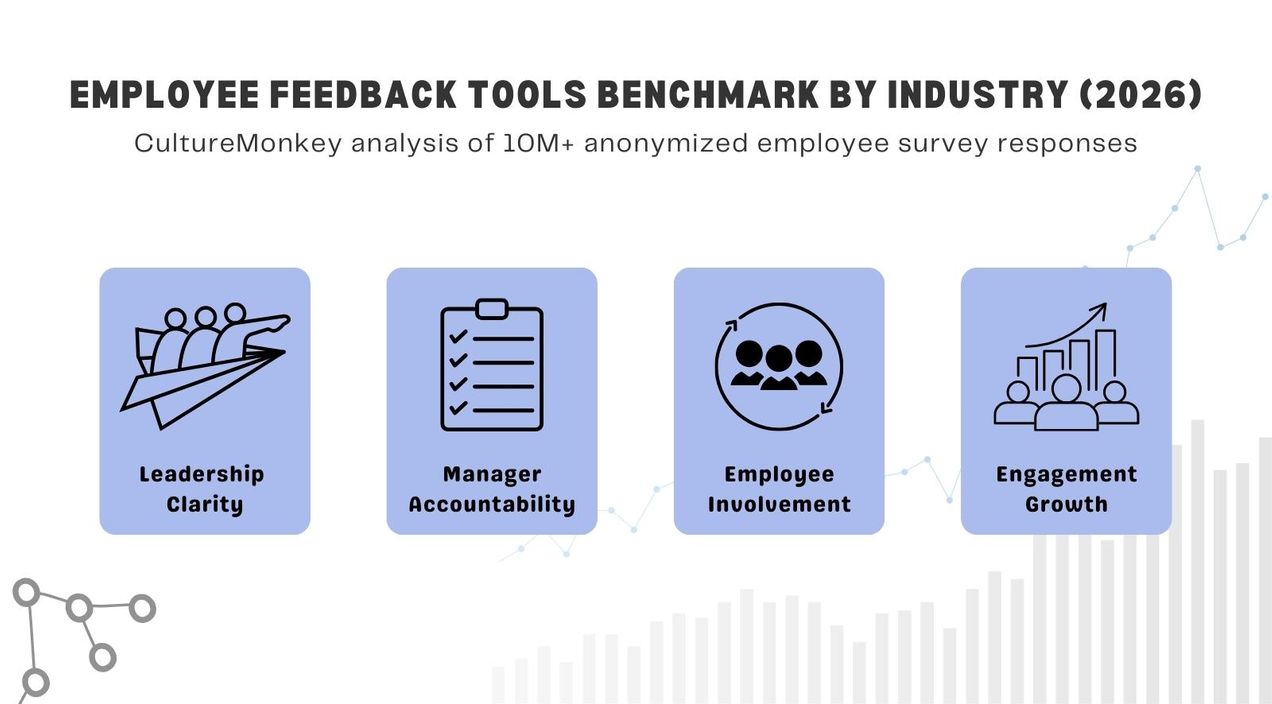
Employee feedback tools benchmark by industry (2026): Analysis of 10M+ employee responses
This benchmark report analyzes more than 10 million anonymized employee survey responses to understand how engagement evolves across industries. Explore which sectors are improving, where engagement is declining, and how employee feedback tools influence leadership decisions and workplace outcomes.
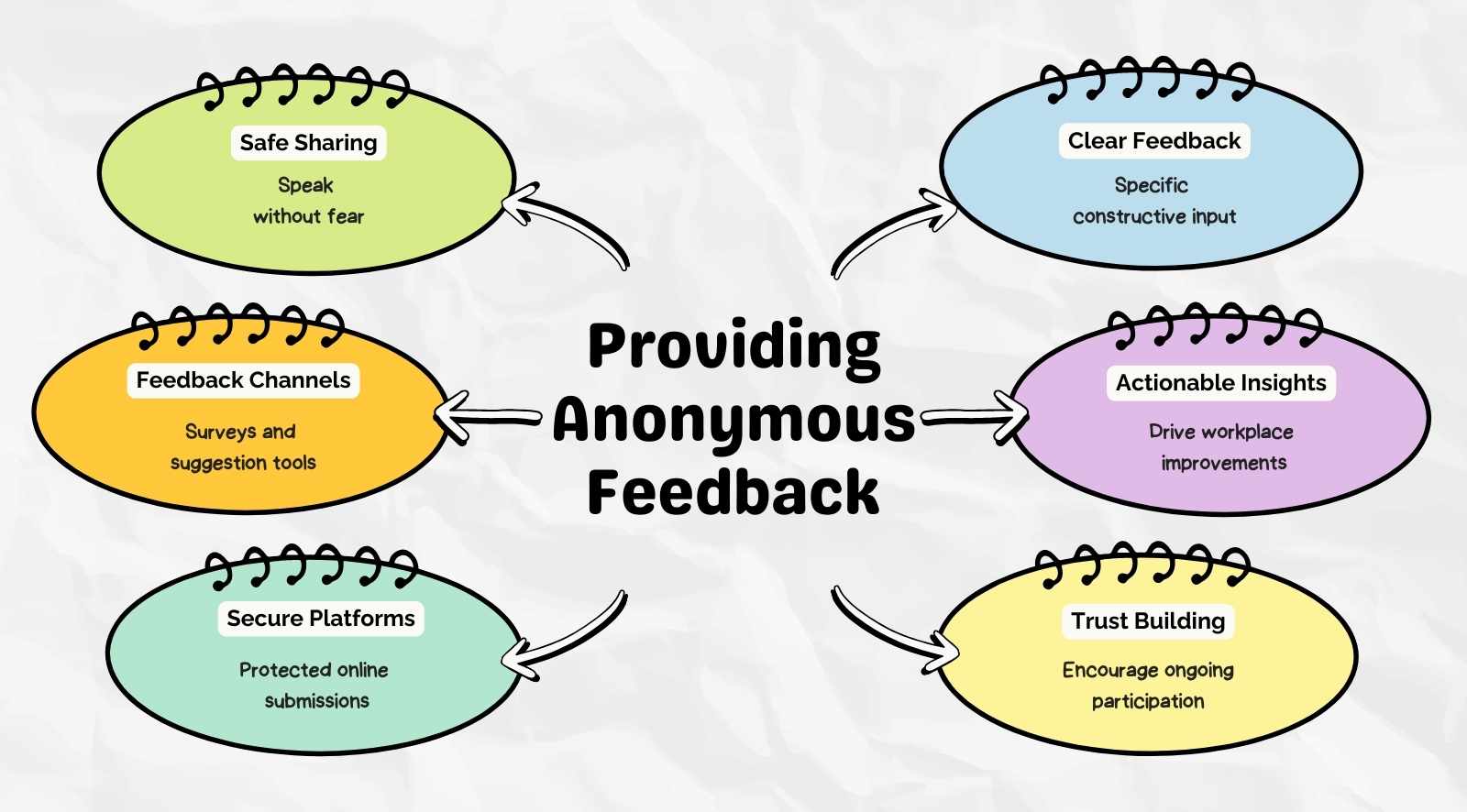
How to provide anonymous feedback at your company: Employee guide
Providing anonymous feedback means sharing honest opinions or concerns without revealing your identity. It is usually done through anonymous surveys, suggestion forms, or feedback tools that protect personal details while helping organizations understand issues and improve workplace practices.
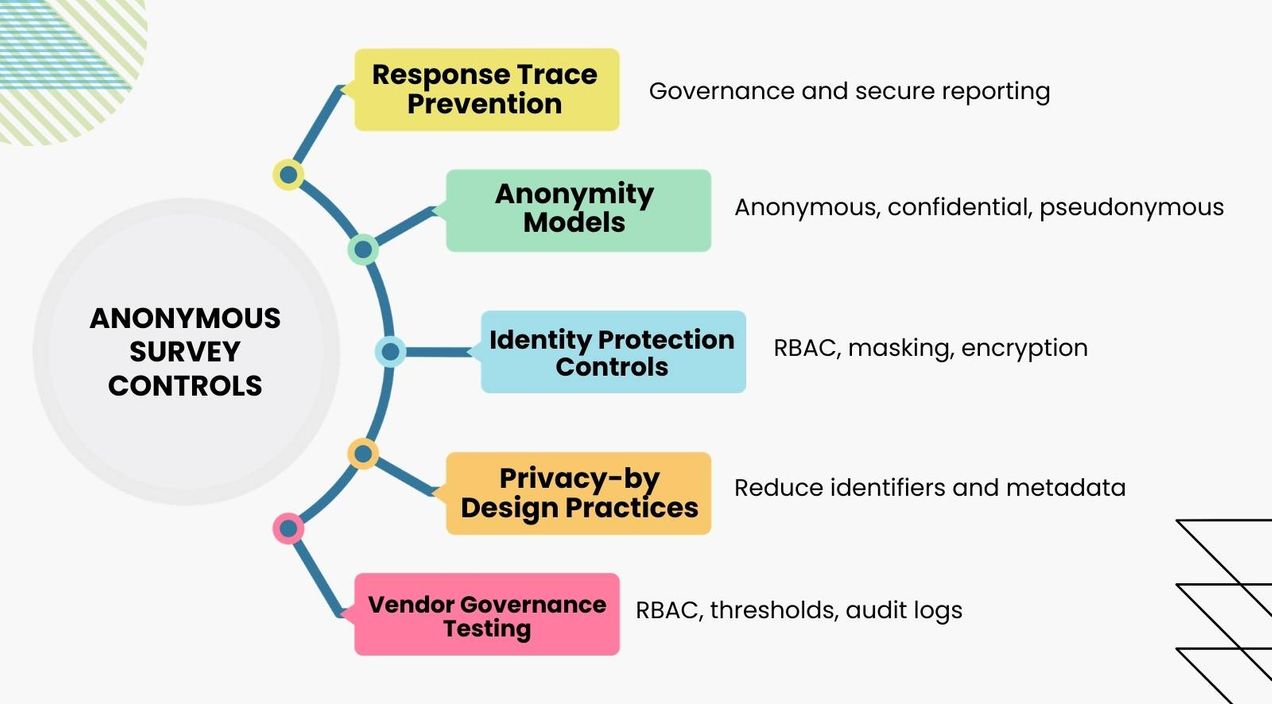
Anonymous employee survey controls guide (2026)
Anonymous employee survey controls are governance and system mechanisms that protect respondent identity across the full survey lifecycle. These controls regulate how feedback is collected, processed, accessed, and reported so individual responses cannot be traced back to employees.
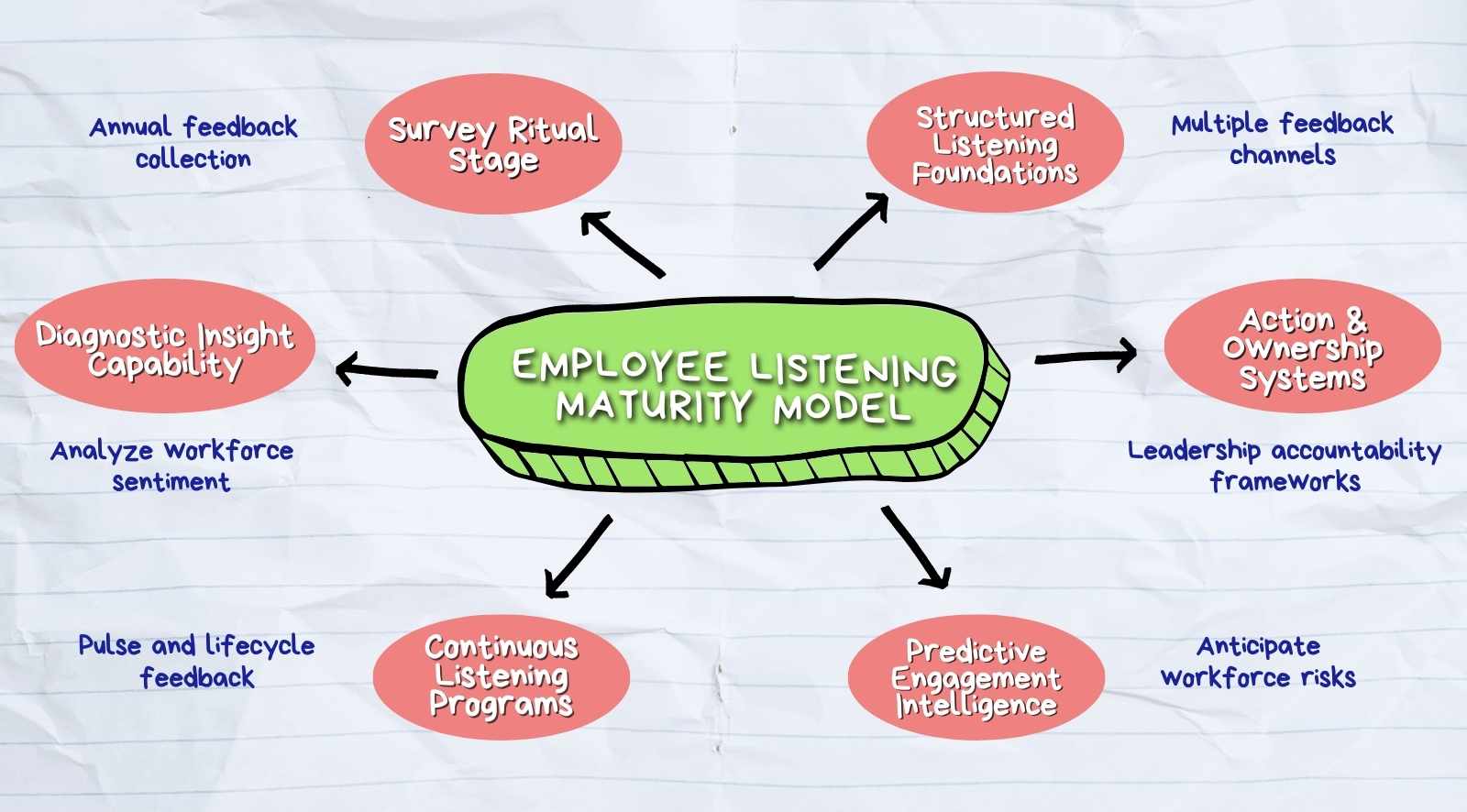
The CultureMonkey employee listening maturity model: Predictive engagement intelligence
The CultureMonkey employee listening maturity model shows how organizations move from basic annual surveys to continuous listening systems that collect, analyze, and act on employee feedback, helping leaders understand workforce sentiment and improve engagement with data-driven insights.
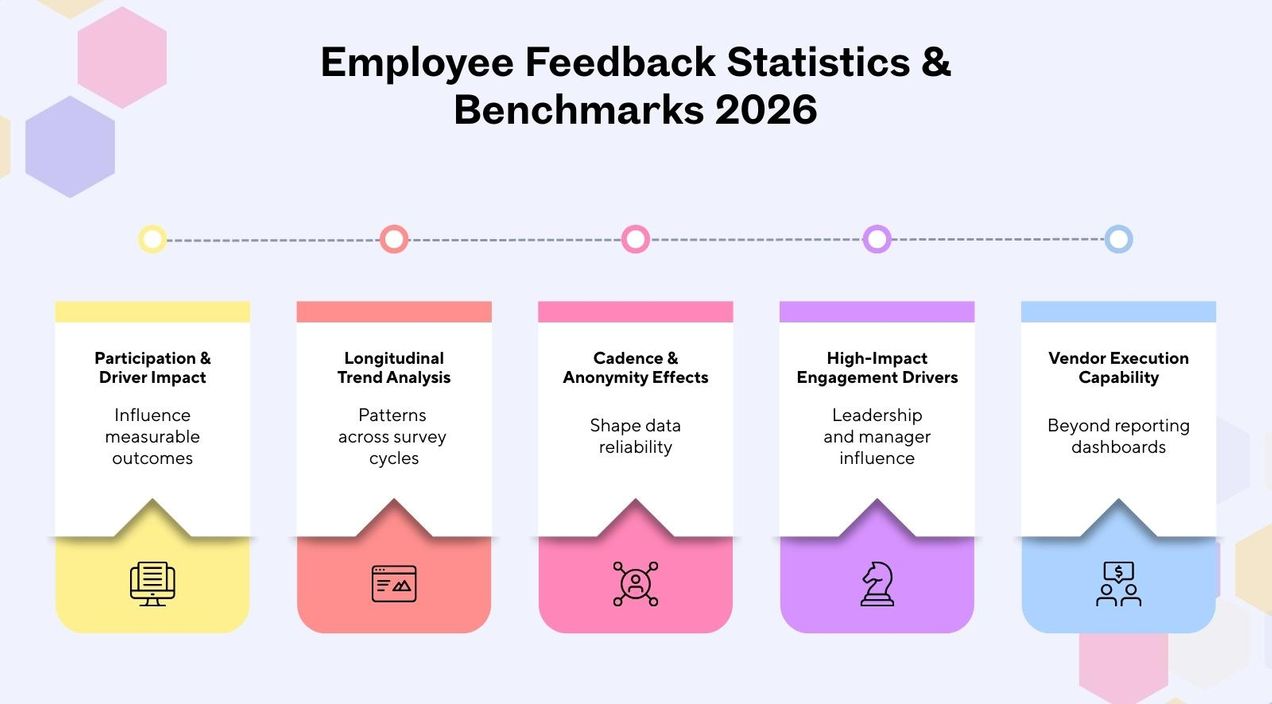
Employee feedback tool statistics & benchmarks 2026: Trends and predictive insights
Employee feedback tool statistics refer to benchmark data on participation rates, engagement drivers, anonymity impact, cadence effectiveness, and predictive trends collected through structured survey platforms to help organizations measure, compare, and improve employee engagement outcomes.
Top 15 employee engagement platforms for IT companies in 2026
An employee engagement platform for IT companies is software that collects feedback, runs pulse surveys, analyzes engagement data, and helps managers act on insights. It supports remote teams, improves retention, and connects employee sentiment with performance outcomes.