


Building safety culture in manufacturing: How to strengthen team trust in 2026

Ever built a treehouse as a kid? You probably remember the thrill with a hammer in hand, balancing on shaky branches, shouting to your friends below to “hold it steady!” Back then, safety meant hoping the rope ladder wouldn’t snap. But over time, you learned that strong foundations and steady hands mattered more than speed or excitement.
Building a safety culture in manufacturing is a lot like that. It’s not about strict rules or caution signs—it’s about creating shared awareness, habits, and trust that keep everyone steady when things get risky.
Just as that sturdy treehouse didn’t happen by accident, neither does a safe workplace. It’s built, reinforced, and lived every day through small actions that add up to something stronger, safer, and far more lasting than any checklist ever could.
Stick around to see how it’s done right.


- A strong safety culture means safety is a shared responsibility, embedded into daily manufacturing operations.
- Leadership sets the tone by modeling safe behavior and prioritizing safety in decisions.
- Open communication prevents blind spots and encourages early hazard reporting.
- Pulse surveys and anonymous feedback help uncover hidden safety concerns in real time.
- Tools like CultureMonkey enable continuous listening and action to improve workplace safety outcomes.
What does a strong safety culture actually mean in manufacturing?
A strong safety culture in manufacturing is a shared value. where everyone understands the importance of following safe practices and feels responsible for protecting themselves and their coworkers.
When safety becomes part of daily decisions and habits, incidents drop, trust grows, and teams work more confidently.
A strong safety culture in manufacturing is a shared mindset where everyone, from the shop floor to the executive office, sees safety as a daily priority, not an afterthought. It’s about embedding safe practices into every process, decision, and conversation, fostering a shared vision so they become second nature rather than reactive measures.
On a practical level, it means workers feel empowered to pause production if they spot a risk, knowing they won’t face retaliation. It’s open, transparent communication that ensures factory floor safety communication flows in all directions, upwards, downwards, and sideways—so no concern gets lost in the shuffle.
Strong safety culture also ties directly to manufacturing workplace safety engagement. When employees believe leadership genuinely cares about their well-being, they’re more likely to follow protocols, report hazards, and collaborate on solutions. This culture thrives when leaders model safe behaviors themselves, showing that rules apply to everyone equally.
Now that we understand what a strong safety culture means, let’s explore the real-world risks that threaten it on today’s factory floors.
What are the biggest safety risks in manufacturing environments today?

Manufacturing environments have evolved rapidly, but safety hazards remain stubbornly persistent. While automation and new tech help reduce certain dangers, they also introduce fresh risks that demand proactive attention.
Understanding these challenges is the first step in building a safety culture in manufacturing that actually works in 2026.
1. Machine-related injuries
Heavy machinery, from presses to conveyor systems, can cause life-altering harm if operated incorrectly or without proper safeguards. Missing guards, worn-out components, or skipped lockout/tagout steps create opportunities for serious accidents. Training, maintenance schedules, and strict adherence to procedures are key to reducing these risks before they escalate.
2. Slips, trips, and falls
In busy manufacturing spaces, spilt liquids, stray tools, uneven flooring, and poor lighting are everyday hazards. A moment’s distraction can lead to a fall that sidelines a skilled worker for months, resulting in lost productivity. Consistent housekeeping, clear walkways, and non-slip surfaces are non-negotiable for continuous improvement in preventing such incidents.
3. Chemical exposure
Factories that use paints, solvents, adhesives, or cleaning agents risk exposing workers to harmful fumes, burns, or skin irritation. Without proper ventilation, PPE, and safe storage, these substances can harm health gradually or in a single accident. A strong industrial safety mindset requires consistent monitoring and employee awareness.
(Source: World Economic Forum)
4. Poor factory floor safety communication
When hazard updates or protocol changes don’t reach every shift, department, or satellite location, even small issues can spiral into major incidents. Relying on word-of-mouth or outdated notice boards leaves gaps that could be filled if employees report potential hazards. Robust, real-time communication channels ensure no one is working with half the information, allowing for valuable insights to be shared.
5. Fatigue and human error
Extended shifts, overtime, and repetitive work drain both physical stamina and mental sharpness. Fatigued workers are slower to react, more likely to overlook hazards, and prone to costly mistakes. Building schedules with adequate breaks and rotation plans can significantly reduce risk.
6. Lack of safety feedback tools for factories
When workers can’t easily report hazards, or fear backlash for doing so, problems stay hidden until they cause damage. Accessible, anonymous safety reporting software encourages honesty and fast action, helping leaders address risks before they become crises.
Once you see what can go wrong, it’s easier to understand why employee mindset is the real engine behind lasting safety change.
How does employee mindset shape the safety culture on your factory floor?
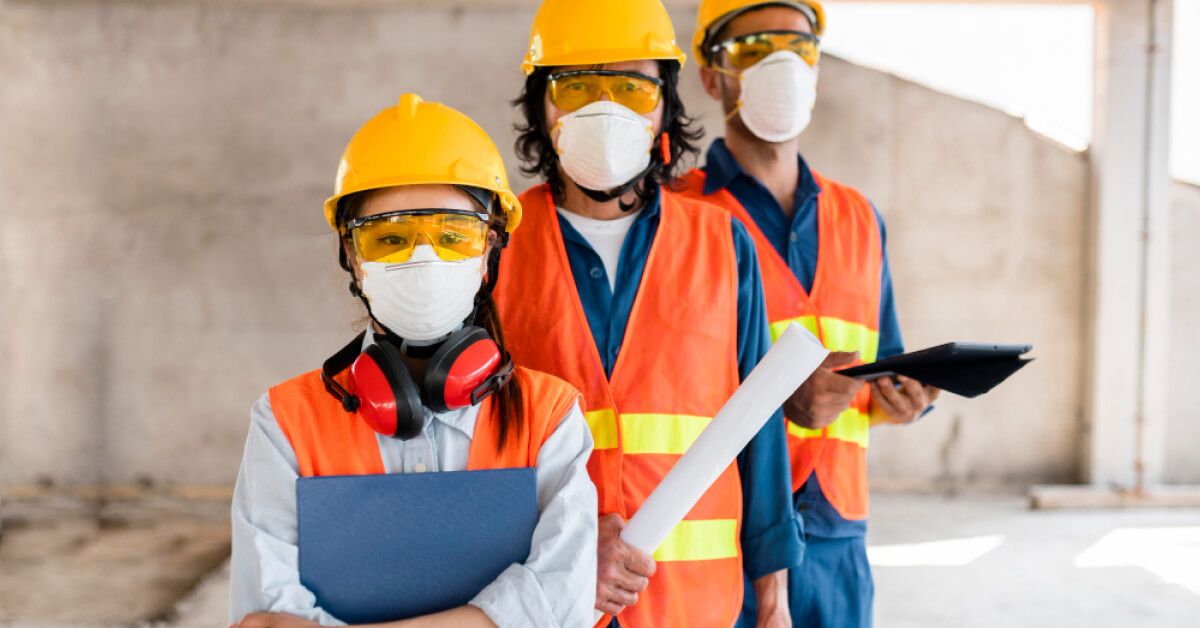
Employee mindset is the heartbeat of any manufacturing safety culture. Policies and protocols matter, but how workers perceive, value, and act on safety determines whether those rules stick or gather dust. A team with the right mindset doesn’t just follow safety—they live it.
- Ownership of safety: When employees feel personally responsible for their own well-being and that of their colleagues, safety becomes everyone’s job. This sense of ownership turns hazard reporting and PPE use into daily habits, not just obligations.
- Confidence to speak up: A safety-conscious mindset includes the courage to flag risks without hesitation. Workers who believe their concerns will be heard and acted on, are less likely to let small issues snowball into big accidents.
- Prioritizing long-term well-being: Employees with a strong industrial safety mindset weigh short-term productivity pressures against the long-term impact of injuries. They understand that rushing a task at the expense of safety can cost far more in downtime and recovery.
- Peer accountability: On the factory floor, mindset shapes how peers look out for each other. Encouraging a culture where workers can remind or correct each other respectfully strengthens manufacturing workplace safety engagement.
- Openness to learning: Employees who approach safety protocols with curiosity rather than resistance adapt faster to new standards. Whether it’s refresher training or adopting new safety feedback tools for factories, the right mindset makes change smoother and more effective.
Mindset alone, though, can’t carry the weight. Leaders must set the tone. Let’s see how leadership shapes a safety-first culture from the top down.
The role of leadership in setting the tone for safety-first operations
Leaders are the loudest signal in any manufacturing workplace when it comes to safety. If managers treat safety as a checkbox task, employees will too. But when leadership models safe behaviors, listens actively, and invests in prevention, it sets a clear tone: safety isn’t optional—it’s a core part of operations.
When leadership consistently prioritize safe practices over speed or short-term gains—it signals to employees that safety is non-negotiable.
By modeling the right behaviors, addressing hazards promptly, and making safety part of every conversation, managers inspire teams to adopt the same mindset.
- Leading by example: When leaders wear PPE correctly, follow lockout/tagout procedures, and adhere to protocols, they send a strong message that safety rules apply to everyone. This visible commitment boosts manufacturing workplace safety engagement.
- Clear communication of expectations: Leaders who articulate safety priorities in daily briefings and performance reviews ensure no one is guessing what’s important. Factory floor safety communication must be consistent, direct, and free from mixed messages.
- Investing in a safety training program: Allocating resources for thorough, ongoing training demonstrates that safety is a long-term priority, not a reactive fix. This builds trust and deepens employees’ industrial safety mindset.
- Encouraging open dialogue: Creating safe spaces for employees to raise concerns, without fear of backlash, strengthens trust. Leaders can integrate anonymous safety reporting software to make this process easier and more honest.
- Recognizing safe behavior: Acknowledging employees who follow or improve safety practices reinforces desired behaviors. Recognition can be as simple as a shout-out in a meeting or as structured as a safety award program.
- Partnering with HR for safety initiatives: Strong HR safety collaboration ensures safety isn’t siloed. Together, HR and operational leaders can align policies, training, and feedback tools to create a cohesive safety-first environment.
But even with great leadership, one factor can still derail everything with poor communication. Let’s unpack how that creates blind spots in safety protocols.
How does poor communication create blind spots in safety protocols?
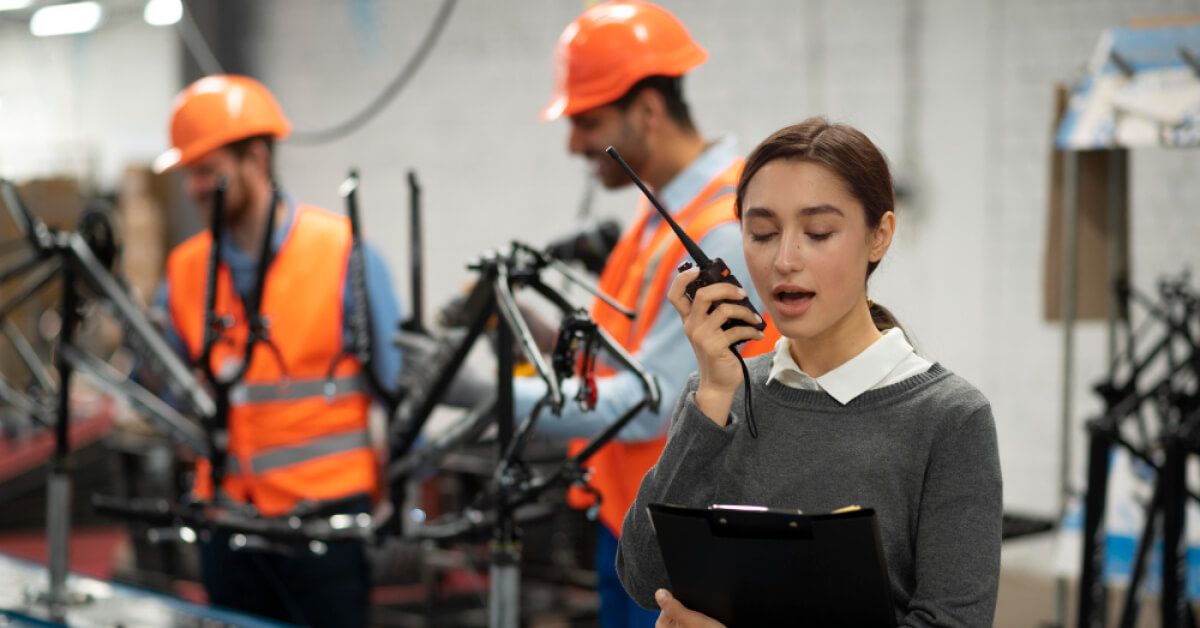
Poor communication is one of the fastest ways to weaken even the most well-designed safety protocols. In the manufacturing industry, delays, misinterpretations, or missing information can turn small risks into costly accidents.
Closing these communication gaps is essential for making workplace safety a priority, building a culture in manufacturing that’s proactive, not reactive.
- Incomplete hazard updates: If safety alerts don’t reach every shift or department, workers may unknowingly operate under outdated or unsafe conditions. This is where robust factory floor safety communication makes the difference.
- Overreliance on informal channels: Relying solely on word-of-mouth or bulletin boards leaves room for misinterpretation. Important instructions can get distorted or lost, leading to dangerous inconsistencies.
- Lack of feedback loops: Without proper safety feedback tools for factories, managers may assume a protocol is working when it’s actually being bypassed. Feedback ensures real-world challenges are addressed quickly.
- Language and literacy barriers: In diverse workforces, unclear translations or jargon-heavy instructions can leave workers confused about safety requirements. Simple, multilingual communication reduces these blind spots.
- Delayed incident reporting: When incident details aren’t shared promptly, the same risk can harm others before corrective action is taken. Instant updates are crucial to an industrial safety mindset.
- Ignoring employee insights: Frontline workers often see hazards before leadership does. If their input isn’t actively sought and acted on, blind spots in safety protocols will persist, sometimes with serious consequences.
When workers stop speaking up, those blind spots widen. So what happens when employees are too afraid to voice safety concerns?
What happens when workers are afraid to speak up about safety issues?

When workers hesitate to voice safety concerns, the risk doesn’t disappear—it just goes underground. Fear of blame, retaliation, or being ignored can keep critical issues hidden until they cause serious harm. In manufacturing, silence can be just as dangerous as the hazard itself because safety matters.
- Small problems escalate: Minor hazards, like a frayed cable or loose guard, can quickly snowball into major incidents if left unreported. Without early intervention, accidents become costlier and harder to prevent.
- Drop in manufacturing workplace safety engagement: When employees feel their safety concerns won’t be taken seriously, they disengage from safety programs entirely, weakening the company's safety culture on the factory floor.
- Breakdown in trust: A lack of safe reporting channels signals that leadership values production speed over worker wellbeing. This erodes trust and undermines efforts to build an industrial safety mindset.
(Source: World Economic Forum)
- Missed opportunities for improvement: Anonymous safety reporting software can turn worker observations into actionable insights. Without it, valuable firsthand knowledge about hazards never reaches decision-makers.
- Higher turnover and absenteeism: Unsafe conditions and a culture of silence push skilled employees to leave, while others may take more sick days to avoid risk, impacting both morale and productivity.
So how do managers encourage accountability without becoming micromanagers? Let’s look at how training can strike that balance.
How to train managers to promote safety without micromanaging?
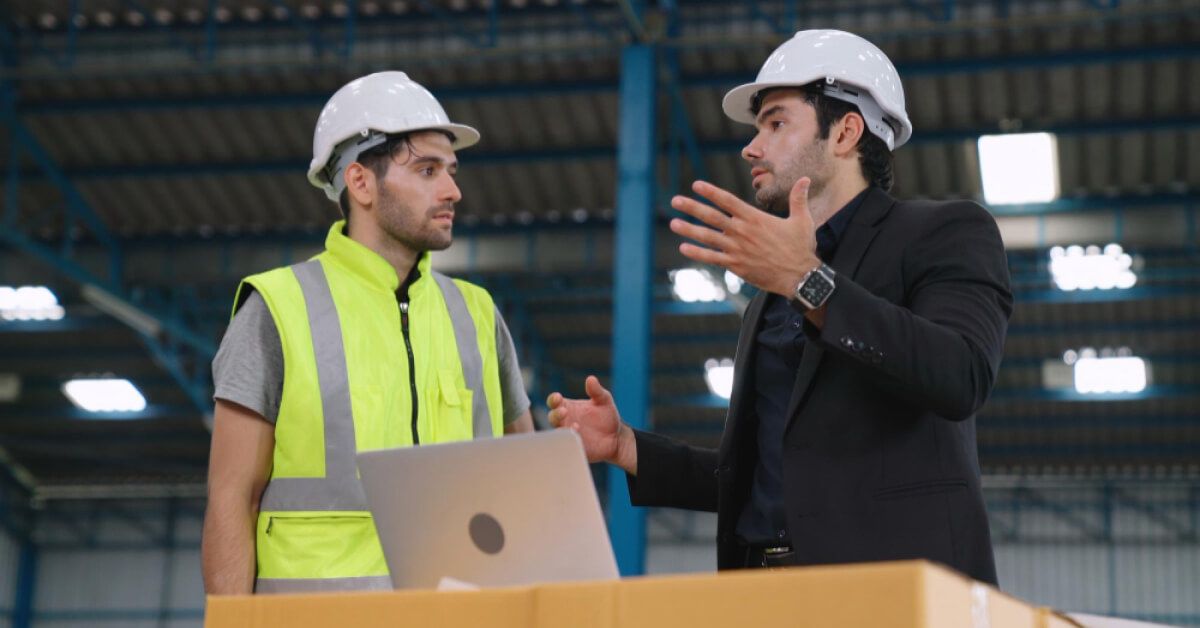
Managers play a critical role in building safety culture in manufacturing, but constant hovering can backfire—breeding resentment instead of responsibility. The goal is to create safety leaders, not safety police.
Training managers to promote safety without micromanaging requires trust, structure, and the right tools.
- Shift from control to coaching: Instead of issuing constant commands, managers should guide employees toward safe choices through questions, discussions, and real-world examples. This approach strengthens manufacturing workplace safety engagement without stifling initiative.
- Set clear, measurable safety expectations: When managers communicate exactly what safe performance looks like, they can step back and let employees self-manage while still holding them accountable. Factory floor safety communication should be specific and actionable.
- Lead by visible example: Following PPE rules, participating in drills, and using safety feedback tools for factories demonstrates commitment. Employees are more likely to emulate behaviors they see modeled consistently.
- Empower employees with decision-making authority: Trusting workers to halt unsafe operations or suggest changes without managerial approval builds confidence and an industrial safety mindset that thrives independently.
- Provide regular, constructive feedback: Instead of intervening in every task, managers should use scheduled check-ins to address safety trends, highlight strengths, and course-correct gently where needed.
- Use anonymous safety reporting software: This reduces the need for managers to constantly watch over employees, as risks can be flagged discreetly. HR safety collaboration can ensure reports are acted on promptly.
- Recognize and reward proactive safety actions: Acknowledging employees who take ownership of safety reinforces trust. Over time, this reduces the need for constant oversight and builds a more self-sufficient safety culture.
Once managers shift from control to coaching, the next step is mindset: moving from reacting to preventing.
Steps to build a proactive vs. reactive safety culture
A proactive safety culture prevents accidents before they happen, while a reactive one scrambles to respond after the damage is done. In manufacturing, the difference often comes down to mindset, planning, and consistent follow-through. Here’s how to tip the balance toward prevention.
- Risk identification vs. incident response: Proactive teams regularly scan the factory floor for potential hazards, using safety feedback tools for factories to catch risks early. Reactive teams focus on investigating accidents only after they occur.
- Continuous training vs. emergency briefings: Proactive cultures weave occupational safety training into daily operations, reinforcing the industrial safety mindset year-round. Reactive cultures tend to offer rushed reminders only after an incident.
- Transparent communication vs. selective updates: Proactive environments use open factory floor safety communication channels to share all relevant safety info promptly. Reactive ones often share updates selectively, leaving gaps in safety awareness.
- Employee involvement vs. top-down control: Proactive teams engage employees in safety planning, encouraging anonymous safety reporting software use. Reactive teams rely solely on management directives.
- Data-driven prevention vs. trend chasing: Proactive leaders analyze near-misses and feedback trends to improve manufacturing workplace safety engagement. Reactive leaders chase the latest incident without addressing root causes.
- Recognition for prevention vs. focus on blame: Proactive cultures celebrate hazard reporting and safe behaviors. Reactive cultures focus on assigning fault after something has gone wrong, discouraging future openness.
Still, even the best intentions can backfire. Let’s look at common mistakes leaders make when trying to improve safety culture.
Common mistakes to avoid when trying to improve safety culture
Improving safety culture takes more than good intentions—it requires avoiding the traps that quietly undermine progress. In manufacturing, even well-meaning leaders can make missteps that weaken trust, stall engagement, and leave hazards unaddressed. Here are the biggest pitfalls to watch out for.
Overloading teams with rules without explaining the “why” can make safety feel like an obstacle rather than a shared value. Ignoring small incidents or near-misses is another major oversight, as it allows risks to compound unnoticed.
Another common misstep is inconsistent enforcement by letting certain violations slide for speed or production goals undermine the entire safety message. Relying only on annual training without ongoing reinforcement weakens adoption.
1. Treating safety as a one-time initiative
Rolling out a campaign, holding a workshop, and then moving on sends the wrong message—that safety is a seasonal topic, not a constant priority. Building safety culture in manufacturing requires daily reinforcement, leadership visibility, and integration into every meeting, inspection, and decision, so it becomes a natural part of the workflow.
2. Ignoring frontline feedback
Frontline workers spot hazards before anyone else because they interact with the machinery, tools, and processes daily. If their voices are dismissed or delayed, crucial risks go unresolved. Implementing safety feedback tools for factories ensures their observations are captured, tracked, and acted on promptly, turning insights into actionable improvements.
3. Overloading with rules but lacking clarity
A thick health and safety processes manual or a constant barrage of new rules means little if employees can’t quickly understand or apply them. Overcomplicated processes can lead to “checklist fatigue,” where workers skip steps out of confusion. Clear, plain-language factory floor safety communication keeps everyone aligned without creating unnecessary friction.
4. Focusing only on compliance
Meeting legal and regulatory standards is just the starting point. A compliance-only mindset overlooks the everyday habits and proactive checks that prevent accidents. Cultivating an industrial safety mindset means encouraging workers to see safety as a shared value, not just a box to tick for inspectors.
5. Punishing incident reporting
If reporting a hazard or near-miss results in blame, discipline, or subtle retaliation, employees will stop speaking up. That silence allows risks to grow unchecked. Anonymous safety reporting software removes the fear factor, making it easier for employees to be honest and for managers to respond constructively.
6. Leaving HR out of safety planning
When HR isn’t at the table, safety efforts often fail to align with onboarding, training, and performance evaluations. HR safety collaboration ensures safety expectations are woven into hiring, ongoing development, and recognition programs, creating a consistent and supportive environment across all levels of the organization.
7. Reacting only after accidents
Waiting for injuries or near-catastrophes to spark change means safety improvements always come at a high cost. A reactive approach undermines manufacturing workplace safety engagement and misses early warning signs. Proactive leaders analyze near-misses, employee feedback, and inspection data regularly to prevent problems before they happen.
How to encourage anonymous safety reporting and feedback?

Anonymous safety reporting can transform the way manufacturing teams handle hazards—removing fear and encouraging honesty. When employees know they can share concerns without risking backlash, it contributes to a safe working environment, allowing safety issues to surface faster, and fixes happen sooner.
The challenge lies in making these channels accessible, trusted, and actively used.
- Choose user-friendly, anonymous safety reporting software: Complicated systems discourage participation. Select a platform that’s mobile-friendly, easy to navigate, and accessible in multiple languages. This ensures factory floor safety communication works for every worker, regardless of shift or skill level.
- Communicate the purpose clearly: Employees should understand that reporting isn’t about assigning blame—it’s about prevention. Linking anonymous reporting to building safety culture in manufacturing reinforces its role in protecting people, not punishing them.
- Guarantee follow-up and action: If reports vanish into a “black hole,” trust evaporates. Acknowledge submissions promptly, outline next steps, and share updates so employees see their feedback leads to real change.
- Integrate into safety training: Make anonymous safety reporting part of onboarding and refresher courses. Embedding it into training supports an industrial safety mindset where speaking up is a learned habit.
- Recognize participation without revealing identities: While anonymity must be preserved, leadership can still thank teams collectively for their input. This boosts manufacturing workplace safety engagement and encourages ongoing use of the system.
But what if technology could take things even further—spotting patterns before people even notice them? That’s where AI and sentiment tracking step in.
Can AI and sentiment tracking improve safety outcomes?
AI and sentiment tracking are quickly becoming game changers for building safety culture in manufacturing. By analyzing employee feedback, incident reports, and even communication tone, these technologies can uncover risks that might otherwise remain hidden. Instead of waiting for a hazard to cause harm, AI tools can flag early warning signs, like repeated concerns about faulty equipment or unclear safety procedures, before they escalate.
Sentiment tracking adds another layer by gauging the overall mood and engagement of factory teams. A dip in morale or recurring frustration around a specific process could signal deeper safety issues, even if formal reports haven’t been filed. When paired with safety feedback tools for factories, this insight becomes even more actionable, guiding leaders toward the right interventions.
The real strength lies in combining AI-driven insights with human judgment. Leaders can use data to prioritize risks, allocate resources, and strengthen factory floor safety communication, while HR safety collaboration ensures follow-through on training and support. By integrating AI and sentiment tracking into everyday safety management systems, manufacturers can shift from reactive problem-solving to proactive prevention—protecting both their people and production lines with greater precision.
And while technology is reshaping prevention, some manufacturers are already setting the gold standard. Let’s explore what industry leaders are doing differently.
“Isn’t building a safety culture just slowing production down?”
It’s a common misconception that safety culture slows down output or adds unnecessary process layers. In reality, it fuels efficiency and consistency.
As Forbes reported, even with the rise of automation, U.S. manufacturers could still face 2.1 million unfilled jobs by 2030, ending up in lost productivity.
That productivity loss isn’t caused by over-safety but it’s caused by under-prepared, under-protected workforces. When employees feel safe and valued, retention rises, rework drops, and output actually improves. So rather than slowing production, a strong safety culture is what keeps the line running smoothly, day after day.
What leading manufacturers are doing to build a positive safety culture in 2026?

In 2026, top manufacturers aren’t just reacting to safety incidents—they’re engineering safety into every process, decision, and conversation. Their approach blends technology, training, and trust to create environments where hazards are addressed before they cause harm. Here’s what’s setting them apart.
- Embedding safety in leadership KPIs: Executives and plant managers are now measured on safety performance alongside productivity and output. This keeps building safety culture in manufacturing on equal footing with operational goals, ensuring it stays a daily priority.
- Investing in advanced safety feedback tools for factories: Leaders are deploying platforms that allow real-time, anonymous reporting from the factory floor. This speeds up hazard identification, strengthens factory floor safety communication, and encourages transparency.
- Pairing AI insights with human oversight: Manufacturers are using AI and sentiment tracking to detect risk patterns early, then combining this with in-person safety audits. This blend enhances an industrial safety mindset without losing the human connection.
- Strengthening HR safety collaboration: HR teams are partnering with operations to align onboarding, training, and recognition programs around safety goals—making them part of the employee lifecycle.
- Recognizing and rewarding proactive behavior: Companies are celebrating teams that prevent incidents through vigilance and reporting. This recognition boosts manufacturing workplace safety engagement and makes safety a point of pride, not just compliance.
But even these top players rely on one powerful tool to keep safety conversations alive—pulse surveys. Let’s see how they bring hidden risks to light.
How pulse surveys can reveal hidden safety concerns in real time

Pulse surveys are becoming a go-to method for uncovering safety risks that might otherwise fly under the radar. Short, frequent, and anonymous, they give employees a quick way to share concerns without waiting for annual reviews or formal audits. Here’s how they help spot issues in real time.
Pulse surveys give manufacturers a quick, consistent way to uncover safety concerns that might never surface in formal meetings. This real-time insight helps to act before minor risks escalate into serious incidents.
By tracking patterns in responses, managers can identify recurring problem areas, gauge how teams feel about safety protocols, and measure if recent changes are working.
- Capturing frontline insights instantly: Because pulse surveys are brief and easy to complete, workers can flag hazards or unclear procedures while they’re fresh in mind—keeping factory floor safety communication timely and accurate.
- Tracking trends over time: Regular surveys reveal patterns in feedback, such as recurring concerns about specific equipment or work areas. This helps leaders strengthen manufacturing workplace safety engagement through targeted fixes.
- Encouraging honesty through anonymity: By ensuring responses are anonymous, pulse surveys remove fear of retaliation. When paired with anonymous safety reporting software, they create a double layer of trust.
- Supporting data-driven decisions: Survey results can guide investments in training, equipment upgrades, or process changes, reinforcing an industrial safety mindset that’s proactive.
- Boosting HR safety collaboration: Sharing pulse survey data with HR ensures quick, coordinated responses—aligning policy, training, and resources to address safety risks immediately.
And once that feedback starts flowing, it needs a reliable system to turn insights into action—let’s see how CultureMonkey makes that happen.
How CultureMonkey helps manufacturing teams listen and act on safety feedback
CultureMonkey gives manufacturing teams a structured, consistent way to capture, analyze, and respond to safety concerns, without disrupting production schedules.
By combining anonymous feedback channels with real-time analytics, it closes the gap between what workers experience on the factory floor and what leadership understands in the boardroom.
Here’s how it helps teams listen and act effectively.
1. Simplifying anonymous safety reporting
CultureMonkey’s interface is built for ease of use, making it quick for employees to share hazards, near-misses, or procedural gaps without fear of retaliation. This strengthens factory floor safety communication, especially in multi-shift operations where in-person reporting may be impossible. The result is a constant flow of honest, unfiltered feedback.
2. Turning feedback into actionable insights
Instead of leaving safety reports to pile up, CultureMonkey categorizes and prioritizes them so managers can quickly spot urgent risks. This ensures critical hazards are addressed first, boosting manufacturing workplace safety engagement and preventing dangerous delays.

3. Tracking sentiment alongside safety data
Beyond hazard reports, CultureMonkey uses sentiment tracking to detect mood shifts that may signal deeper safety issues. For example, repeated frustration around a machine could indicate both a morale problem and an operational hazard—helping leaders nurture an industrial safety mindset while fixing the root cause.
4. Supporting HR safety collaboration
CultureMonkey’s dashboards make it easy for HR and operations teams to work together, aligning safety training, onboarding, and policy changes. This unified approach ensures safety isn’t siloed but embedded across the employee lifecycle, from hiring to daily workflow.
5. Closing the loop with employees
One of the biggest drivers of trust is follow-up. CultureMonkey enables managers to report back on actions taken in response to feedback—whether that’s repairing equipment, updating protocols, or introducing new safety feedback tools for factories. Employees see that their input matters, encouraging continued participation.
Conclusion
Building an effective safety culture isn’t just about compliance—it’s about trust, communication, and quick action. When manufacturers actively listen to their teams, they uncover risks early, prevent accidents, and foster an environment where employees feel safe to speak up.
Tools like AI-driven sentiment tracking and pulse surveys make it possible to spot patterns and hidden hazards in real time. But listening is only half the work—acting on that feedback is what truly transforms workplaces.
That’s where CultureMonkey comes in, helping manufacturing teams capture safety insights, analyze them instantly, and take meaningful action. In 2026 and beyond, safety leadership means making every worker’s voice count and turning that voice into risk prevention strategies for safer, smarter operations.
Book a demo with CultureMonkey.
FAQs
1. Why is building a safety culture important in manufacturing?
A strong safety culture reduces accidents, boosts productivity, and improves employee morale. In manufacturing, where hazards are common, it ensures workers feel valued and protected. When safety becomes a shared priority, employees are more engaged in occupational health, risks are reported earlier, and compliance becomes natural—leading to fewer incidents and more consistent operational performance across the shop floor.
2. How can managers improve safety culture on the shop floor?
Managers can lead a safety culture by setting clear expectations, modeling safe behavior, and recognizing employees who follow protocols. Regular safety briefings, open feedback channels, and quick responses to reported issues build trust. Involving workers in safety decisions ensures they feel ownership, making safety practices more consistent and effective across all shifts and production lines.
3. What are the top challenges when trying to build a safety mindset?
Common challenges include resistance to change, lack of communication between leadership and workers, and inconsistent enforcement of safety protocols. Production pressures may cause shortcuts, while inadequate training leaves risks unaddressed. Building a lasting safety mindset requires sustained leadership commitment, continuous education, and clear accountability—so safety is never seen as optional or secondary to output.
4. How often should we check in on employee safety sentiment?
Safety sentiment should be checked regularly—ideally through monthly pulse surveys and ongoing feedback channels. Frequent check-ins help spot emerging risks before they escalate. In fast-paced manufacturing, hazards can change quickly, so consistent listening ensures timely interventions, keeps safety top-of-mind, and reinforces the message that employee well-being is a continuous, shared priority for the whole team.