



















Create a culture of caring to empower
your healthcare heroes
Providing quality care to patients starts with supporting frontline workers.
Prioritize healthcare employee experience to retain employees and improve
patient outcomes, job satisfaction, and organizational culture.
Book a free, no-obligation product demo call with our experts.
Some brands that love us


You’ll fall in love with us too!
You’ll fall in love with us too!
An employee engagement platform that helps you drive your organization forward
Address and overcome employee burnout in healthcare

Address and overcome employee burnout in healthcare
Did you know that over 35% of healthcare staff experience burnout?
The leading causes of burnout in the healthcare industry include emotional exhaustion, work-life imbalance, and long work hours.
High attrition leads to staffing shortages, intense workloads, increased medical errors, and job dissatisfaction.
The solution is simple yet effective.
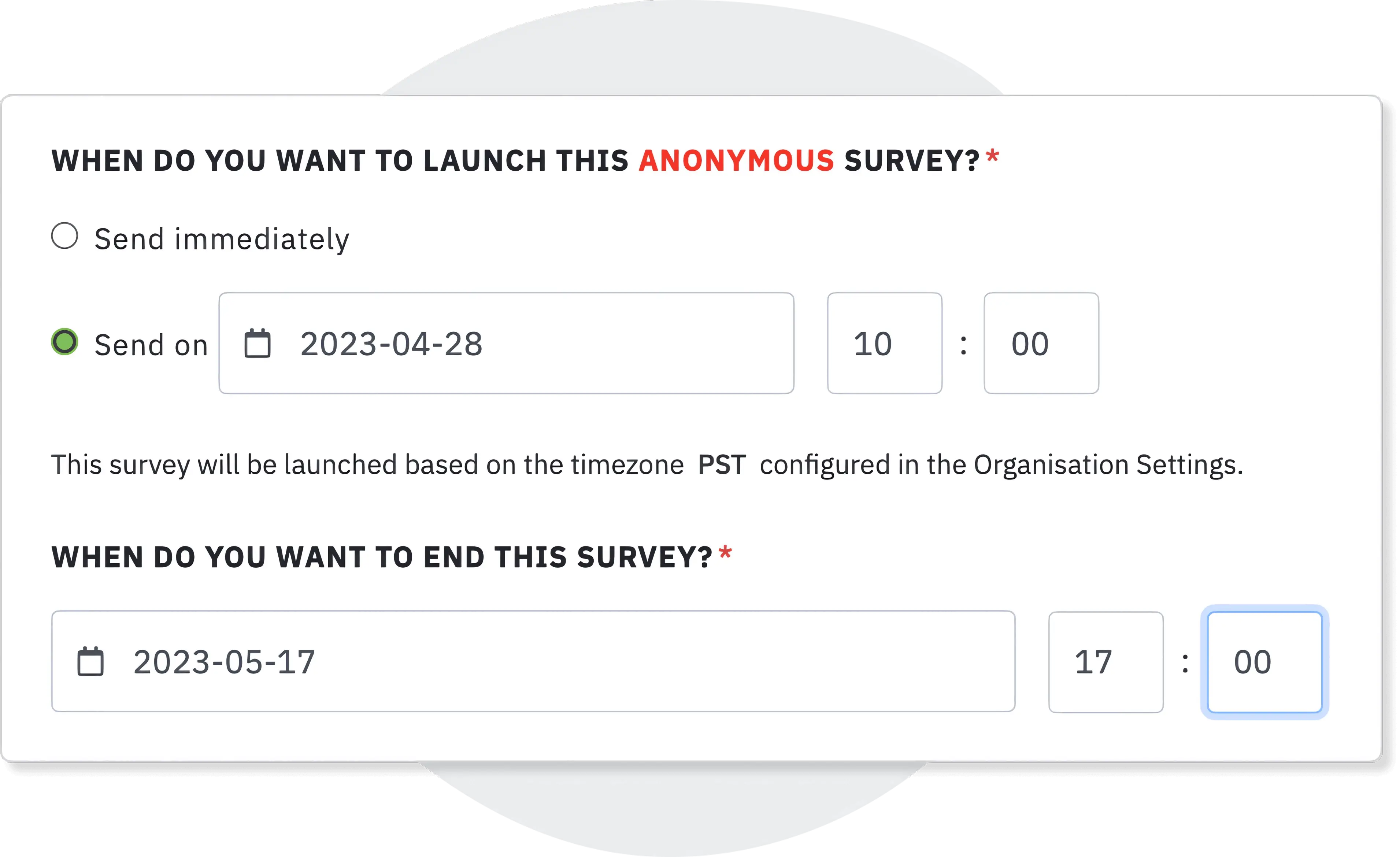
An employee engagement software to send your healthcare employees
Impactful and anonymous employee
engagement surveys
Listen to your employees closely and regularly by giving them
an opportunity to share honest feedback anonymously

Stay ahead of the curve through employee engagement
surveys. Identify and address critical challenges faced
by doctors, nurses, and other medical staff to create a
culture of transparency and openness, and pave the
pathway to increased employee engagement,
productivity, and retention.
Access our survey library with over 100+ survey
templates that address sensitive issues through
employee wellness, manager effectiveness, and work-
life balance surveys, amongst many others. Tailor them
to fit your specific needs to know what your employees
really think.
An engaged healthcare workforce means better patient
care. Create your own survey that measures everything
that impacts your healthcare heroes, including job
satisfaction, burnout, productivity, wellness, and
inclusion.
Identify work-life-balance patterns of your
healthcare employees using comprehensive employee
engagement analytics and take relevant action to
improve that.
An employee engagement software to send your healthcare employees
Impactful and anonymous employee
engagement surveys
Listen to your employees closely and regularly by giving them
an opportunity to share honest feedback anonymously
Stay ahead of the curve through employee engagement
surveys. Identify and address critical challenges faced
by doctors, nurses, and other medical staff to create a
culture of transparency and openness, and pave the
pathway to increased employee engagement,
productivity, and retention.
Access our survey library with over 100+ survey
templates that address sensitive issues through
employee wellness, manager effectiveness, and work-
life balance surveys, amongst many others. Tailor them
to fit your specific needs to know what your employees
really think.
An engaged healthcare workforce means better patient
care. Create your own survey that measures everything
that impacts your healthcare heroes, including job
satisfaction, burnout, productivity, wellness, and
inclusion.
Identify work-life-balance patterns of your
healthcare employees using comprehensive employee
engagement analytics and take relevant action to
improve that.
Employee engagement in healthcare to
Put your healthcare workers in the spotlight
Use the most powerful motivator - recognition to ensure the
healthcare heroes continue to provide exceptional care
Lack of employee recognition and appreciation can
significantly impact the mental health and job satisfaction
of healthcare workers. Shine a light on their hard work and
dedication and boost employee engagement in healthcare
through relevant employee recognition survey templates.
Customize the survey questions to gather valuable
feedback and insights into how recognized and appreciated
your healthcare workforce truly feels.
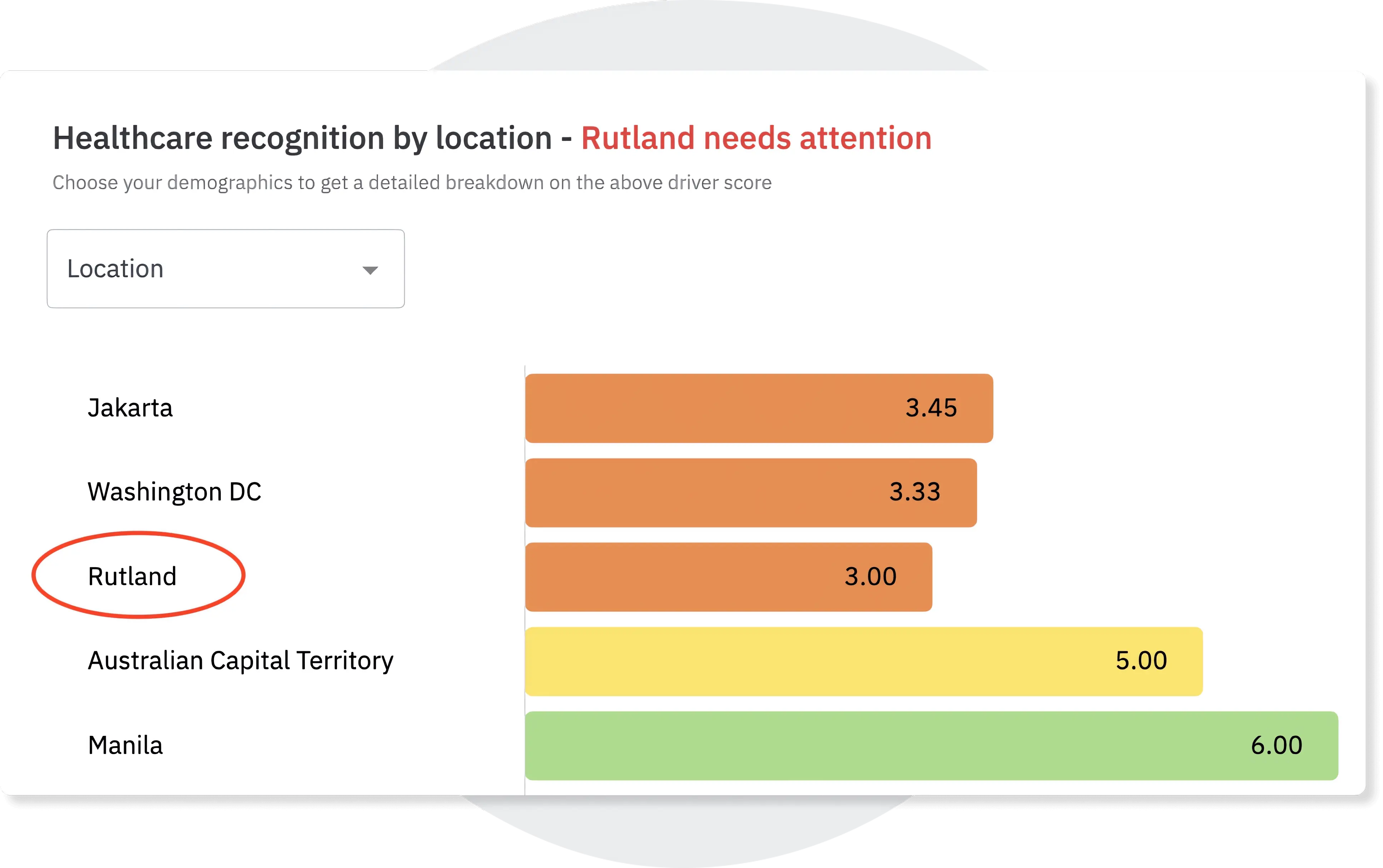
Gain a detailed
understanding of the recognition rate among individual
teams, across teams and locations and develop targeted
strategies to improve workplace recognition.
Amplify the power of employee surveys with Artificial
Intelligence. Get AI-generated actionable
recommendations to address concerns and improve
workplace recognition at a faster pace.
Employee engagement in healthcare to
Put your healthcare workers in the spotlight
Use the most powerful motivator - recognition to ensure the
healthcare heroes continue to provide exceptional care
Lack of employee recognition and appreciation can
significantly impact the mental health and job satisfaction
of healthcare workers. Shine a light on their hard work and
dedication and boost employee engagement in healthcare
through relevant employee recognition survey templates.
Customize the survey questions to gather valuable
feedback and insights into how recognized and appreciated
your healthcare workforce truly feels.
Gain a detailed
understanding of the recognition rate among individual
teams, across teams and locations and develop targeted
strategies to improve workplace recognition.
Amplify the power of employee surveys with Artificial
Intelligence. Get AI-generated actionable
recommendations to address concerns and improve
workplace recognition at a faster pace.
Employee engagement in healthcare lets you
Close the communication gap between
management and staff
Foster collaboration and break down communication barriers
through active listening.
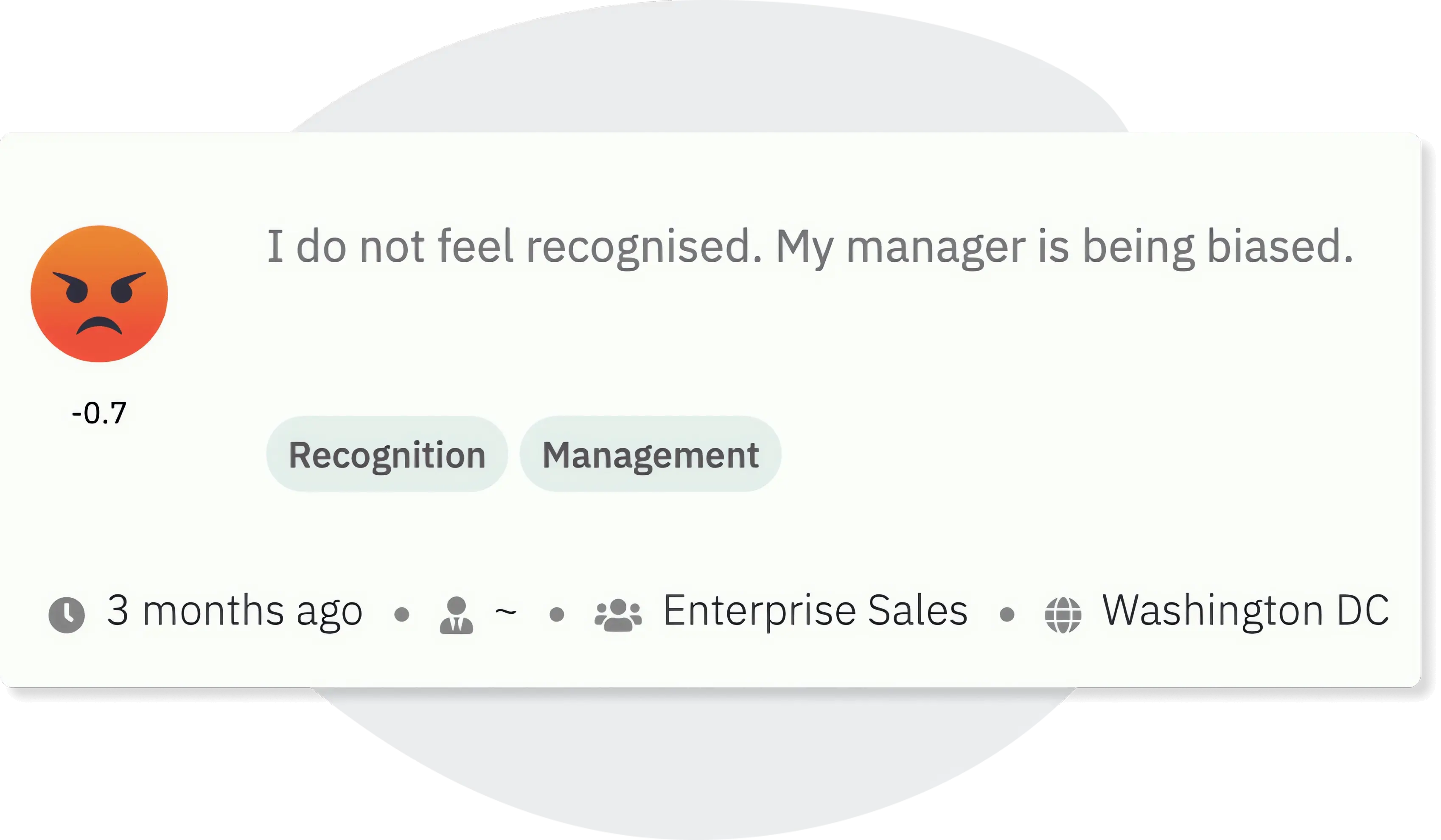
Listening matters. Communication issues can have a
significant impact on employee morale and performance.
Send out one impactful survey question weekly or monthly
using targeted pulse surveys to get to the bottom of
employee concerns and improve communication in the
workplace.
Connect with employees no matter where they are. Make
every employee survey a truly effective one by improving
survey response rates with multi-channel integrations.
Send survey reminders in the channels your front-line
employees use the most, such as WhatsApp, Slack, and
Teams, to gain valuable insights into your workforce.
Let your employees know their feedback is heard and
acted upon. Take action on the feedback gathered and
share acknowledgment with your employees once it's
resolved. Close the feedback loop by building trust and
confidence through effective communication.
Employee engagement in healthcare lets you
Close the communication gap between
management and staff
Foster collaboration and break down communication barriers
through active listening.
Listening matters. Communication issues can have a
significant impact on employee morale and performance.
Send out one impactful survey question weekly or monthly
using targeted pulse surveys to get to the bottom of
employee concerns and improve communication in the
workplace.
Connect with employees no matter where they are. Make
every employee survey a truly effective one by improving
survey response rates with multi-channel integrations.
Send survey reminders in the channels your front-line
employees use the most, such as WhatsApp, Slack, and
Teams, to gain valuable insights into your workforce.
Let your employees know their feedback is heard and
acted upon. Take action on the feedback gathered and
share acknowledgment with your employees once it's
resolved. Close the feedback loop by building trust and
confidence through effective communication.
Employee engagement in healthcare helps to
Unlock the potential of workplace success
through autonomy
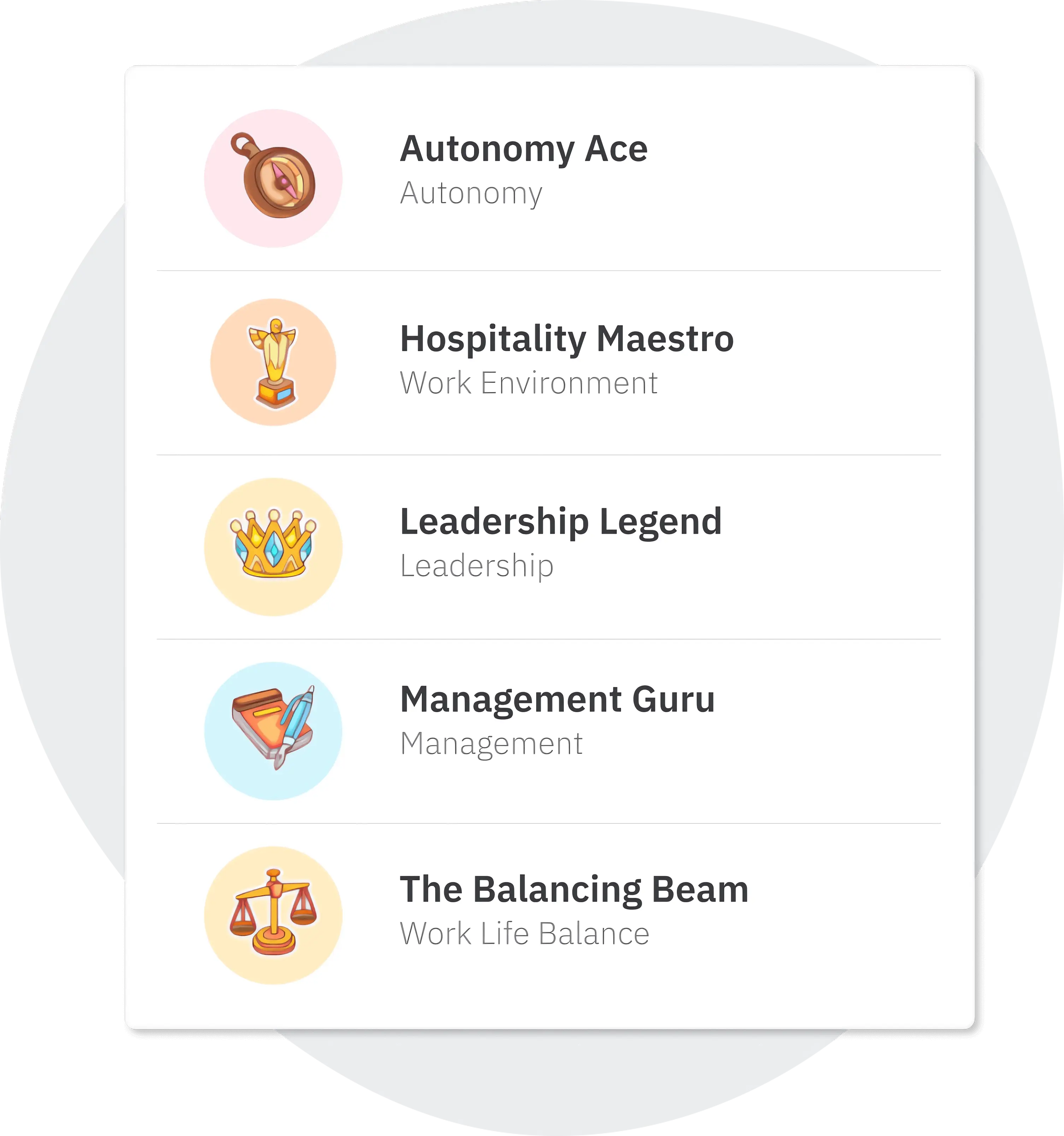
Improve team engagement by understanding and improving
leadership effectiveness through leadership effectiveness surveys.
Enhance team collaboration and retain skilled employees
by assessing the effectiveness of leadership. Understand
the strengths and weaknesses of managers and leaders to
create a roadmap to improve overall team engagement and
productivity.
Spot and address the critical issues that your employees
face by leveraging manager effectiveness surveys. Gauge
your employees' opinions about their managers and
identify the areas that need immediate attention.
Promote a culture of transparency and openness by
anonymously gathering employee feedback. Ensure your
employees feel comfortable sharing honest opinions
without fear of retribution or retaliation leading to
increased workplace autonomy and empowerment.
Employee engagement in healthcare helps to
Unlock the potential of workplace success
through autonomy
Improve team engagement by understanding and improving
leadership effectiveness through leadership effectiveness surveys.
Enhance team collaboration and retain skilled employees
by assessing the effectiveness of leadership. Understand
the strengths and weaknesses of managers and leaders to
create a roadmap to improve overall team engagement and
productivity.
Spot and address the critical issues that your employees
face by leveraging manager effectiveness surveys. Gauge
your employees' opinions about their managers and
identify the areas that need immediate attention.
Promote a culture of transparency and openness by
anonymously gathering employee feedback. Ensure your
employees feel comfortable sharing honest opinions
without fear of retribution or retaliation leading to
increased workplace autonomy and empowerment.
An employee engagement software that helps you
Maximize employee efficiency through action-
oriented results
Don't let your employees hold back their opinions about their
workplace. Identify the right tools and resources your frontline
employees need to succeed.
Turning thousands of feedback received from your
employees into actionable insights can be a daunting task.
Leverage the help of GPT-powered bubble charts, you can
easily analyze and extract meaningful keywords from the
employee feedback to take swift actions and make data-
driven decisions.
Gain insights into pressing issues reported by your
employees, such as lack of necessary training or
equipment, the need for transparency in communication,
concerns in traditional hierarchy structures, etc.
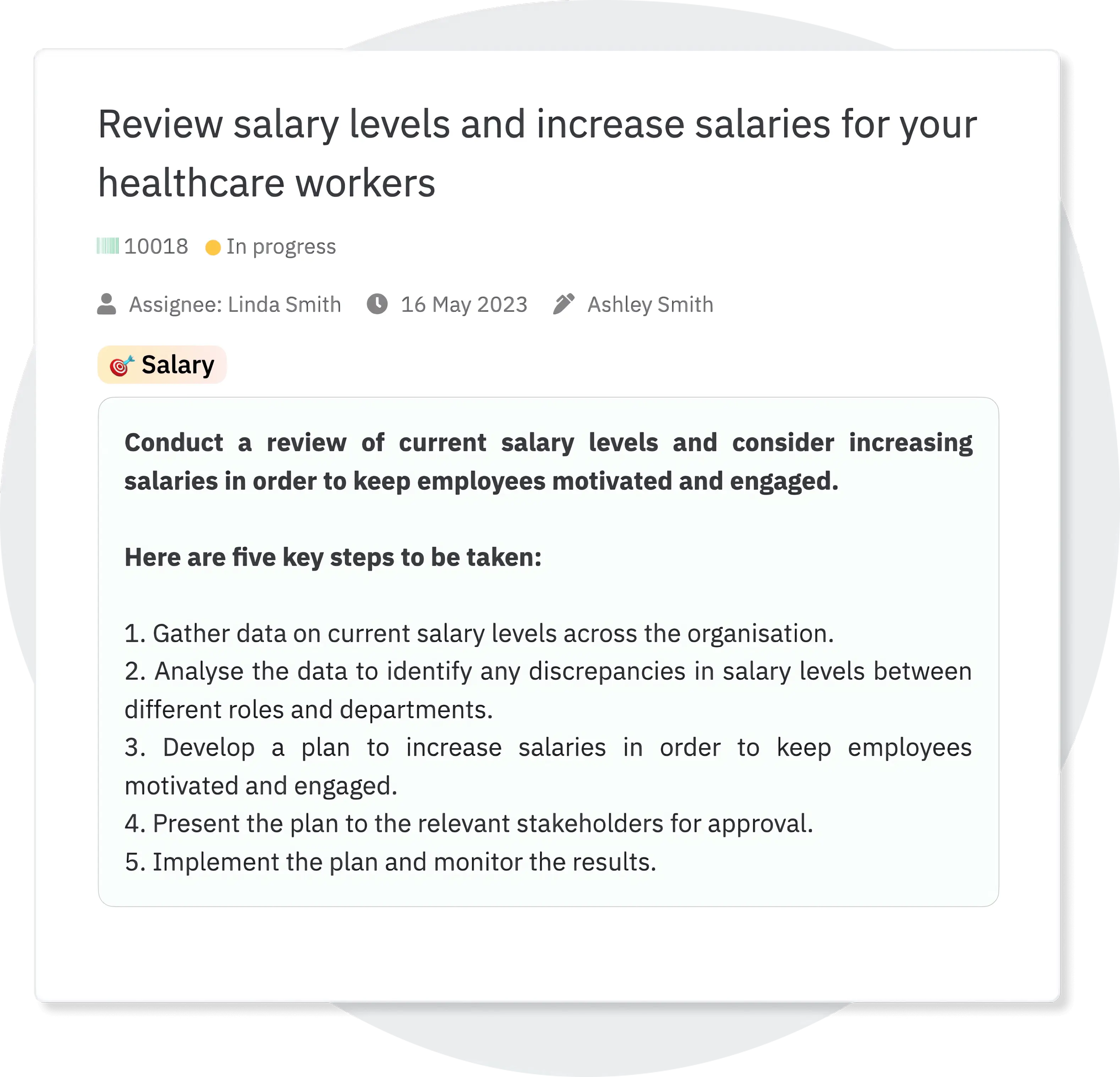
Enable a continuous feedback system to give employees a
voice to report crucial matters such as pay disparity, DEI
non-compliance, and other healthcare employee-related
concerns. Understand the feedback and take action swiftly
with ease to prevent attrition.
An employee engagement software that helps you
Maximize employee efficiency through action-
oriented results
Don't let your employees hold back their opinions about their
workplace. Identify the right tools and resources your frontline
employees need to succeed.
Turning thousands of feedback received from your
employees into actionable insights can be a daunting task.
Leverage the help of GPT-powered bubble charts, you can
easily analyze and extract meaningful keywords from the
employee feedback to take swift actions and make data-
driven decisions.
Gain insights into pressing issues reported by your
employees, such as lack of necessary training or
equipment, the need for transparency in communication,
concerns in traditional hierarchy structures, etc.
Enable a continuous feedback system to give employees a
voice to report crucial matters such as pay disparity, DEI
non-compliance, and other healthcare employee-related
concerns. Understand the feedback and take action swiftly
with ease to prevent attrition.
Employee engagement in healthcare that lets you
Listen throughout your employees' life cycle
Actively listen to your employees throughout their life cycles to
maximize the potential for individual and organizational growth.
Make listening to your employees a habit. Automate
employee feedback collection from hire to separation and
inculcate a sense of great company culture for new
employees.
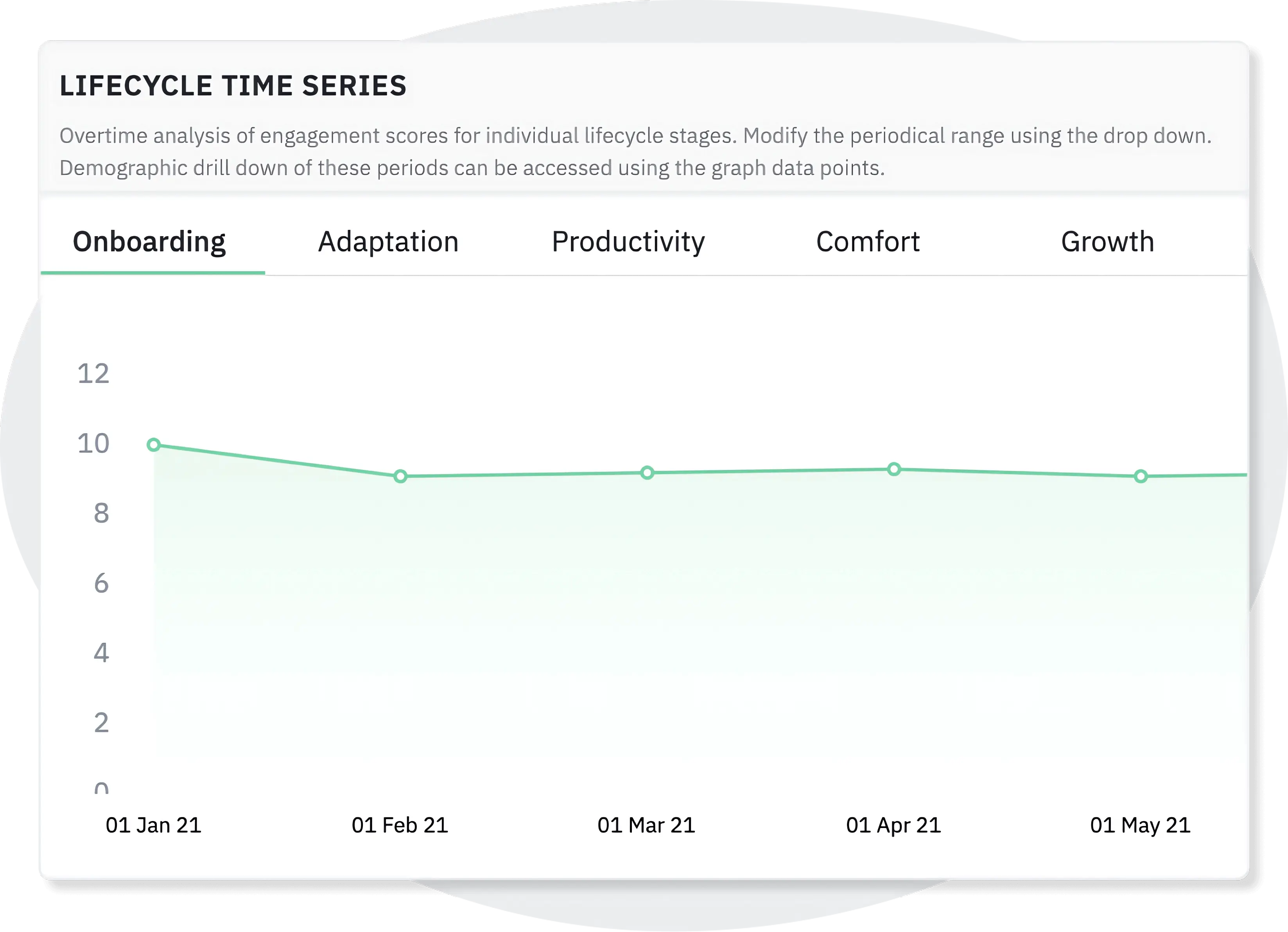
Dive deep into the results of employee life cycle surveys to
identify trends and potential areas for improvement.
Analyze the data at a granular level to predict and address
attrition at every stage of the employee life cycle, from
early onboarding to post-separation.
Keep your top health defenders engaged and motivated by
regularly analyzing their e-NPS (employee Net Promoter
Score) scores. Use the insights gained from these surveys
to take meaningful action to improve employee satisfaction
and retention.
Employee engagement in healthcare that lets you
Listen throughout your employees' life cycle
Actively listen to your employees throughout their life cycles to
maximize the potential for individual and organizational growth.
Make listening to your employees a habit. Automate
employee feedback collection from hire to separation and
inculcate a sense of great company culture for new
employees.
Dive deep into the results of employee life cycle surveys to
identify trends and potential areas for improvement.
Analyze the data at a granular level to predict and address
attrition at every stage of the employee life cycle, from
early onboarding to post-separation.
Keep your top health defenders engaged and motivated by
regularly analyzing their e-NPS (employee Net Promoter
Score) scores. Use the insights gained from these surveys
to take meaningful action to improve employee satisfaction
and retention.
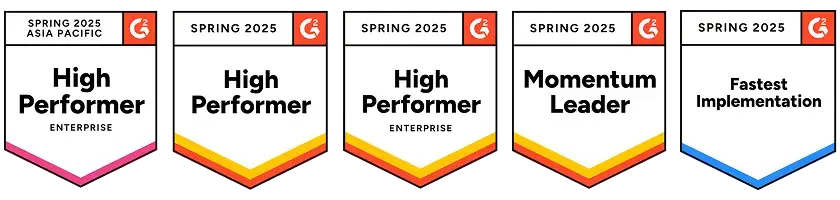
An employee engagement platform
recognized by G2 as a high performer &
loved by users for Winter 2024

4.8 / 5
Just beginning your employee
engagement journey?
Here are a few solutions to
begin with.







Always a happy workplace, when you have us!
Ready to explore CultureMonkey?
Book a free, no-obligation product demo call with our experts.