


Top 15 employee engagement platforms for IT companies in 2026

Choosing an employee engagement platform for IT companies in 2026 is no longer about running surveys alone. It’s about using surveys strategically within a platform that understands fast-moving teams, distributed work, manager accountability, and the constant pressure to retain skilled talent.
The right platform helps IT leaders move beyond surface-level scores and into clear signals: what’s breaking down, where teams are burning out, and which actions actually improve engagement.


- IT companies need structured engagement platforms to protect retention, productivity, and delivery outcomes.
- Modern tools combine surveys, recognition, performance management, and analytics in one system.
- Managers drive engagement impact through dashboards, follow-through, and accountability cycles.
- Engagement improvements appear in stages, from participation lifts to measurable retention signals.
- Choosing the right platform depends on scalability, analytics depth, usability, and alignment with IT workflows.
Quick comparison table: First 10 employee engagement platforms for IT companies
Quick comparison of enterprise engagement platforms
| Tool | Primary strength | Best for | Typical rating (G2/Capterra) |
|---|---|---|---|
| Leapsome | Performance engagement suite | Scaling teams | 4.8 / 5 |
| Lattice | Engagement driver analysis | Action-led programs | 4.7 / 5 |
| CultureMonkey | Enterprise and omni-channel employee listening | Enterprise and distributed workforces | 4.7 / 5 |
| Culture Amp | Benchmarking analytics | Benchmark-driven orgs | 4.5 / 5 |
| 15Five | Manager enablement | Continuous feedback teams | 4.6 / 5 |
| Motivosity | Recognition rewards platform | Recognition-led culture | 4.7 / 5 |
| WorkTango | Surveys and recognition | Unified experience programs | 4.7 / 5 |
| Officevibe | Pulse survey simplicity | Lean people teams | 4.3 / 5 |
| Achievers | Recognition rewards marketplace | Global enterprises | 4.6 / 5 |
| Quantum Workplace | Survey action planning | Survey-centric orgs | 4.2 / 5 |
What an employee engagement platform does for an IT company
An employee engagement platform gives IT companies a structured way to measure, manage, and improve workplace performance. Instead of guesswork, leaders rely on workforce engagement software and HR engagement software to track real-time signals that influence delivery, retention, and team stability.
- Tracks real-time employee sentiment: Workforce engagement software enables employee sentiment tracking and mood tracking at work to identify morale dips and engagement gaps early.
- Converts feedback into structured themes: Built-in sentiment analysis transforms open comments into measurable insights within a mature employee engagement system.
- Provides leadership and manager visibility: Engagement dashboards and manager dashboards display trends, risk segments, and performance correlations clearly.
- Delivers actionable engagement insights: The best employee engagement platforms ensure managers move from reports to structured follow-ups and accountability tracking.
- Supports distributed and hybrid teams: Enterprise-grade employee engagement software companies design secure systems with SSO and HRIS integrations for scalable deployment.
- Enables consistent employee listening: A reliable employee engagement system collects feedback frequently without disrupting productivity.
- Improves retention and delivery outcomes: Clear engagement signals help IT leaders address burnout, workload issues, and recognition breakdowns quickly.
- Strengthens culture through measurable action: Modern HR engagement software closes the loop between employee feedback, engagement insights, and operational performance.
Top 15 employee engagement platforms for IT companies
Selecting the right employee engagement tools is critical for IT companies operating in high-pressure environments. The right platform enables effective employee engagement surveys, tracks morale trends, and reduces retention risks. Each solution is assessed for scalability, analytics depth, usability, and measurable business impact.
1. Leapsome
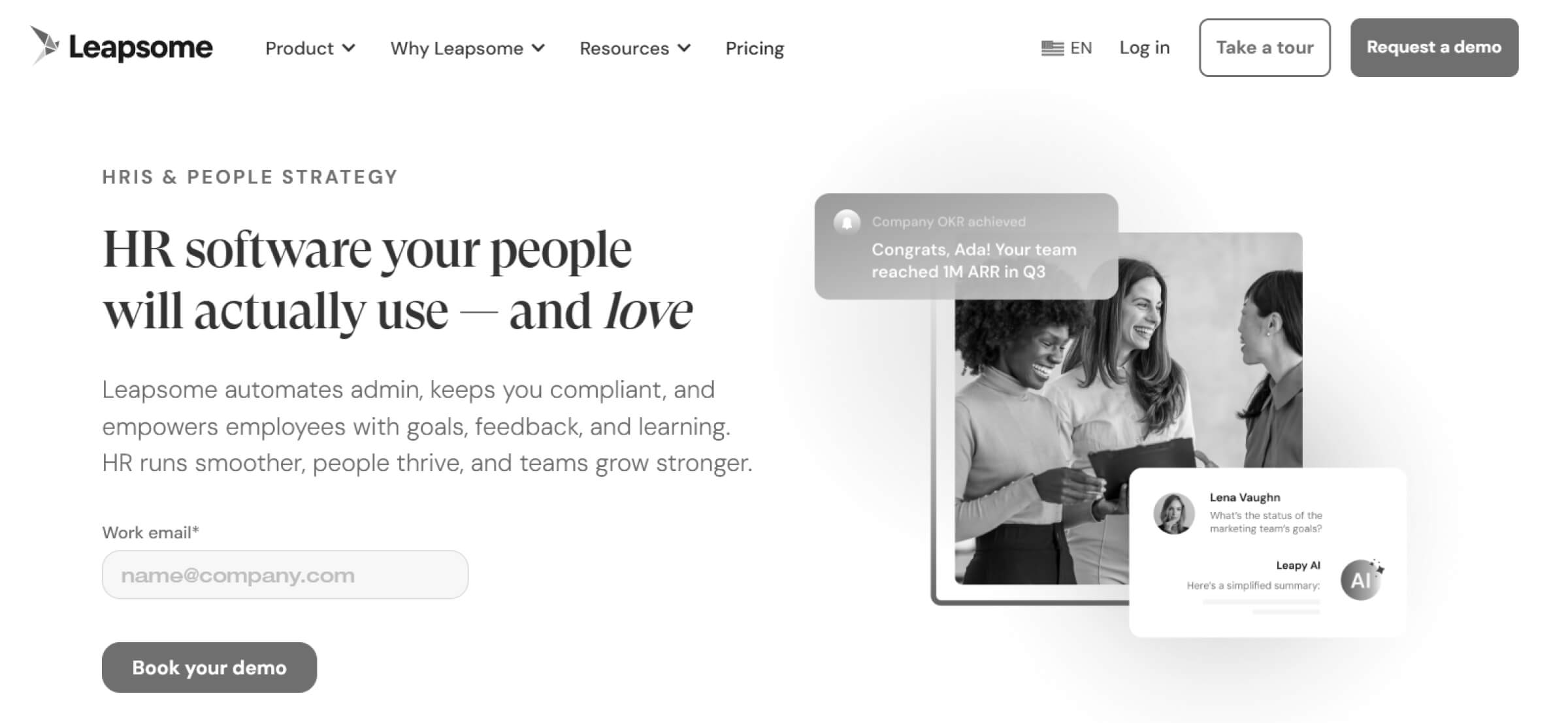
Leapsome is an AI-powered employee engagement platform combining performance management, learning, and structured feedback in one system. It supports surveys, OKRs, reviews, and development workflows.
Key Takeaways
- Pricing: Talk to sales
- G2’s score: 4.8 / 5
- Capterra score: 4.6 / 5
- Leapsome is best for: Performance reviews and structured evaluation workflows
- Why we picked Leapsome: Strong review system with praise functionality and complete evaluation features
- Cons: Workflows can feel time-consuming and repetitive during busy review cycles
2. Lattice
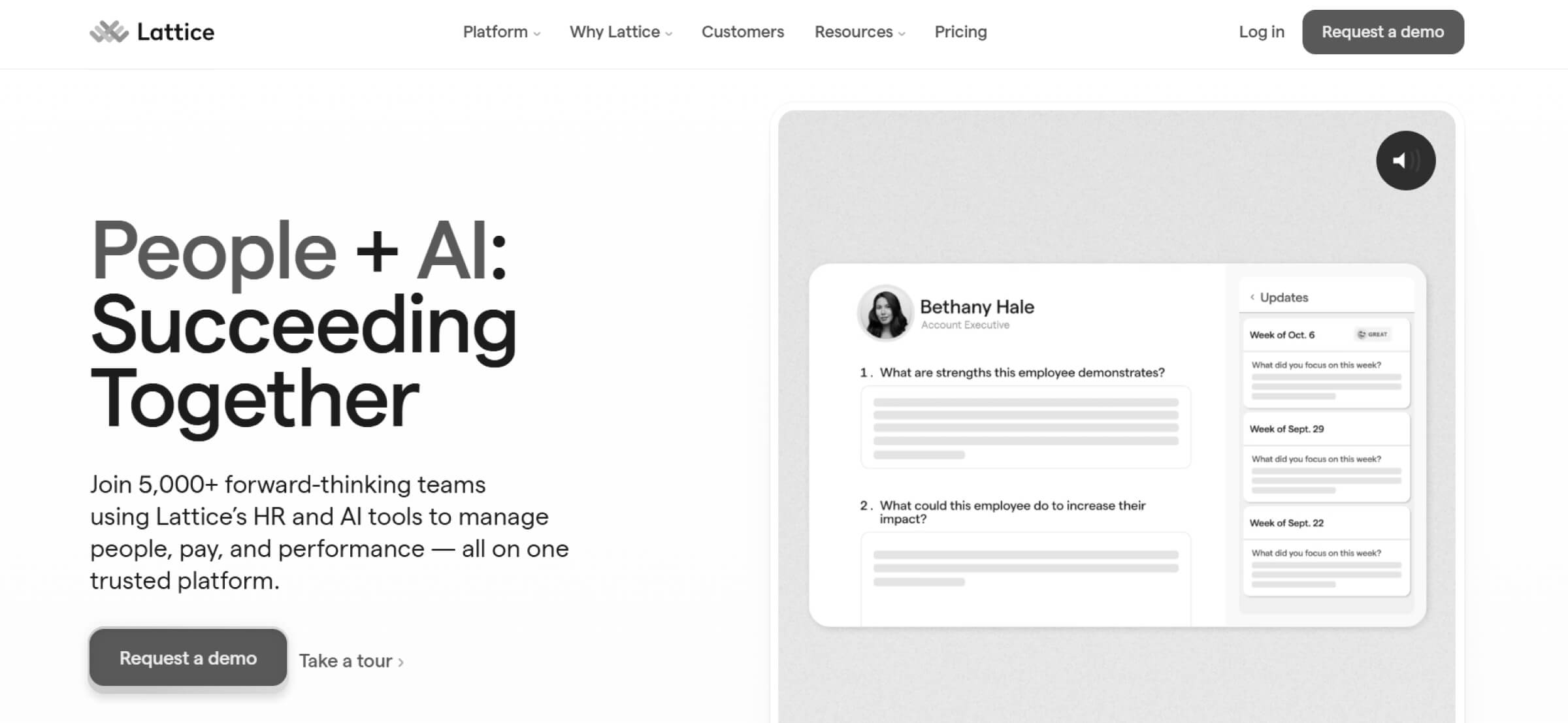
Lattice is an employee engagement platform integrating performance management, engagement surveys, and people analytics into one workflow. It connects engagement data with accountability, compensation, and workforce planning decisions.
Key Takeaways
- Pricing: $11.00 per person per month
- G2’s score: 4.7 / 5
- Capterra score: 4.5 / 5
- Lattice is best for: Performance alignment and structured team workflows
- Why we picked Lattice: Strong agenda module and alignment features
- Cons: Interface may require extra clicks; navigation can feel less intuitive
3. CultureMonkey
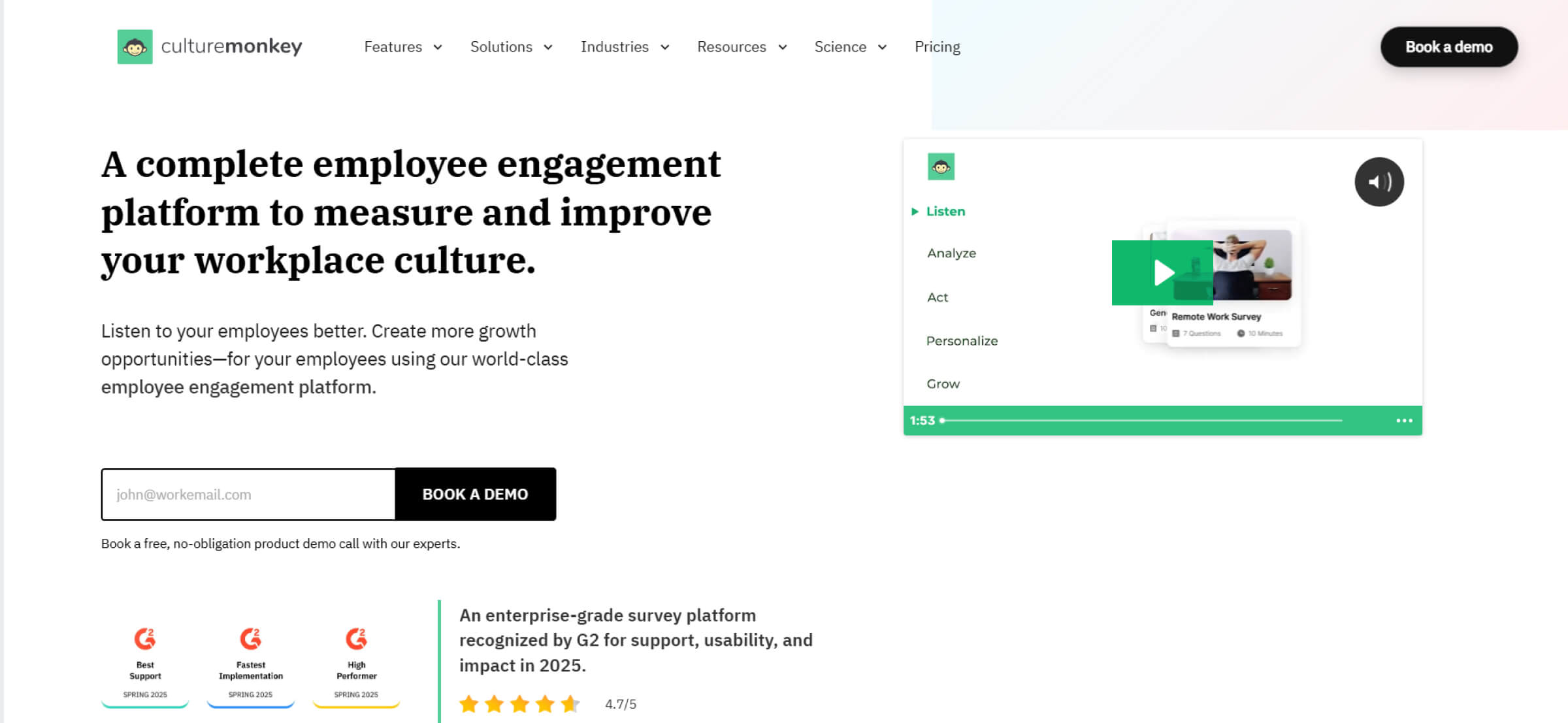
CultureMonkey is an enterprise employee engagement and feedback platform used by organizations to run structured surveys and measure workforce sentiment across teams.
CultureMonkey supports continuous listening through pulse, lifecycle, and manager-focused programs, combining sentiment analysis, role-based dashboards, and secure workflows to drive measurable action.
Key Takeaways
- Pricing: Talk to sales
- G2’s score: 4.7 / 5
- CultureMonkey is best for: AI-driven employee engagement and multilingual surveys
- Why we picked CultureMonkey: Strong analytics, ease of use, and global language support
- Cons: No major issues reported so far
4. Culture Amp
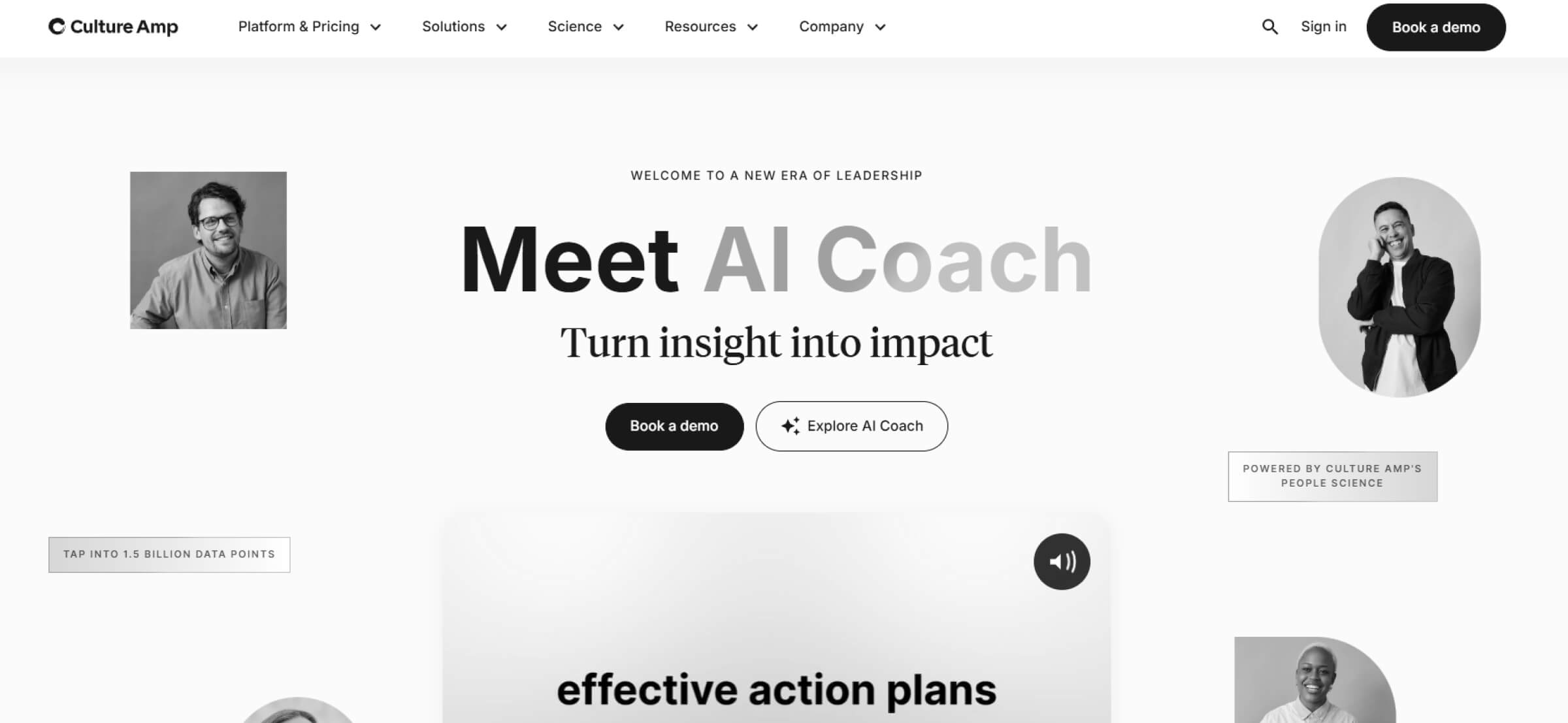
Culture Amp is a research-backed employee experience platform offering engagement surveys, benchmarking analytics, and performance workflows. It supports recurring listening programs across large teams.
Key Takeaways
- Pricing: Talk to sales
- G2’s score: 4.5 / 5
- Capterra score: 4.6 / 5
- Culture Amp is best for: Data-heavy engagement and survey analytics
- Why we picked Culture Amp: Strong heatmaps and readable data visualization
- Cons: Lacks full positive/neutral/negative score breakdown visibility
5. 15Five
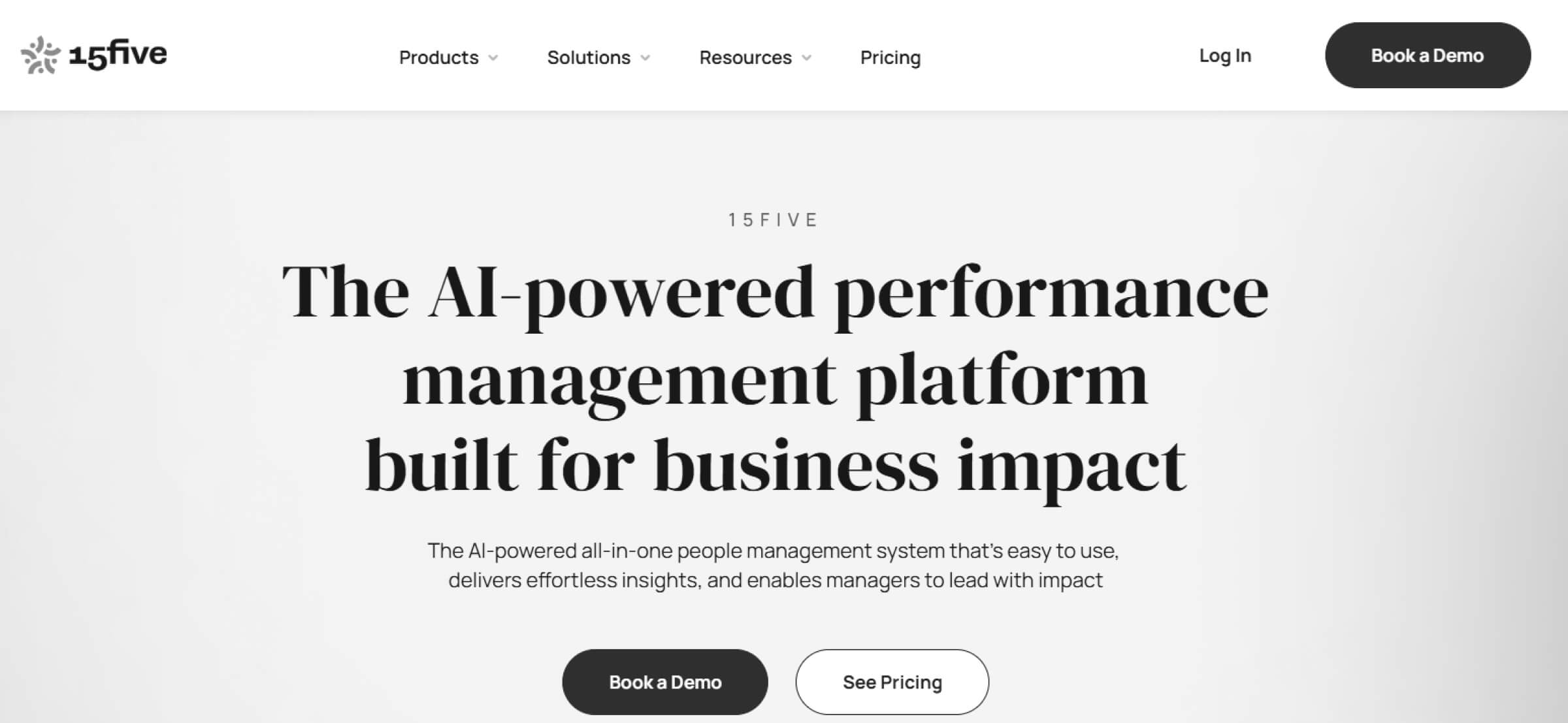
15Five is a manager-focused employee engagement platform featuring weekly check-ins, surveys, reviews, and goal tracking. It supports continuous feedback programs across teams.
Key Takeaways
- Pricing: $4.00 per employee per month
- G2’s score: 4.6 / 5
- Capterra score: 4.7 / 5
- 15Five is best for: Simple performance management and feedback workflows
- Why we picked 15Five: Clear messaging structure and strong customer support
- Cons: Some advanced features require higher-tier plans
6. Motivosity
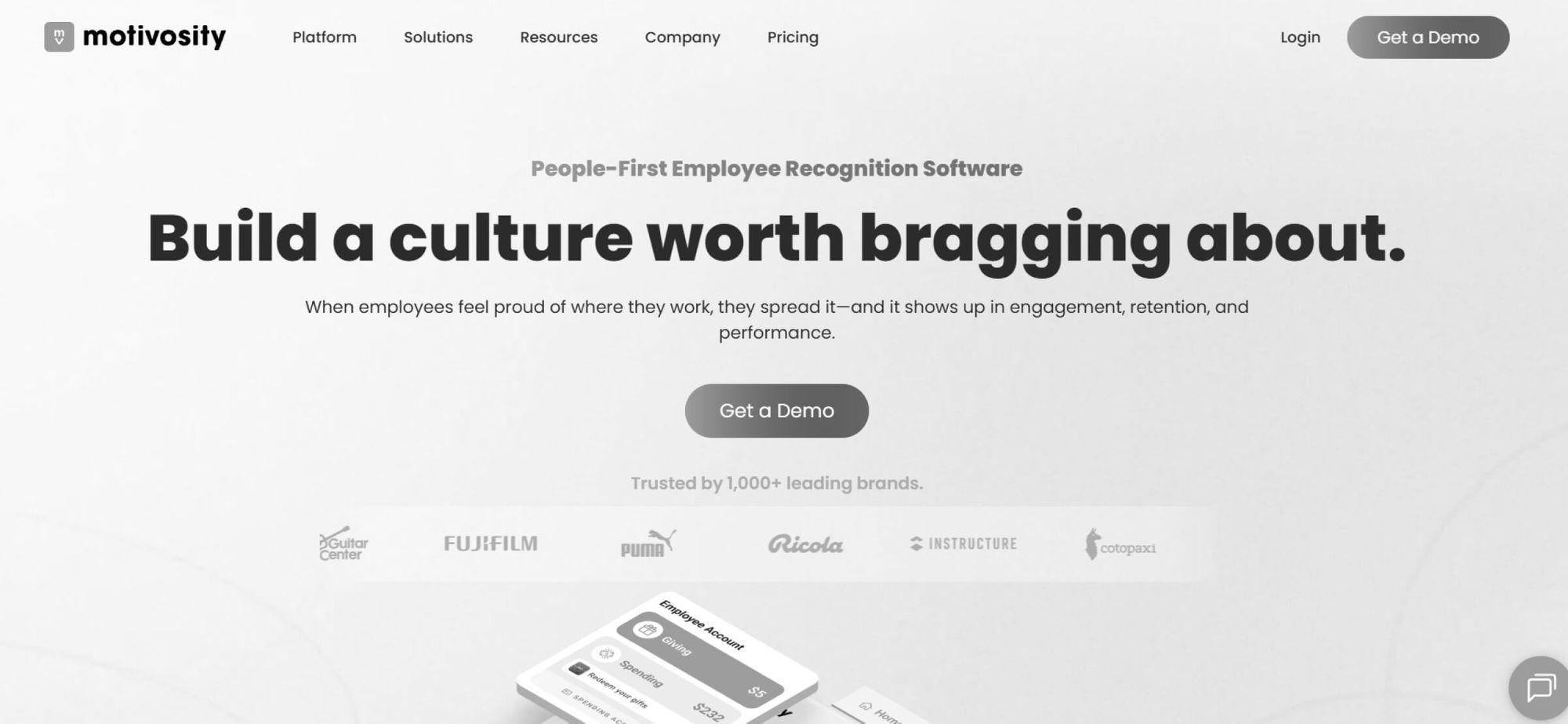
Motivosity is a recognition-first employee engagement platform combining peer recognition, rewards programs, and pulse surveys. It supports measurable employee satisfaction through appreciation-led strategies.
Key Takeaways
- Pricing: Talk to sales
- G2’s score: 4.7 / 5
- Capterra score: 4.8 / 5
- Motivosity is best for: Recognition-led engagement programs
- Why we picked Motivosity: Strong customization for company culture
- Cons: Hard to track individual recognition history easily
7. WorkTango
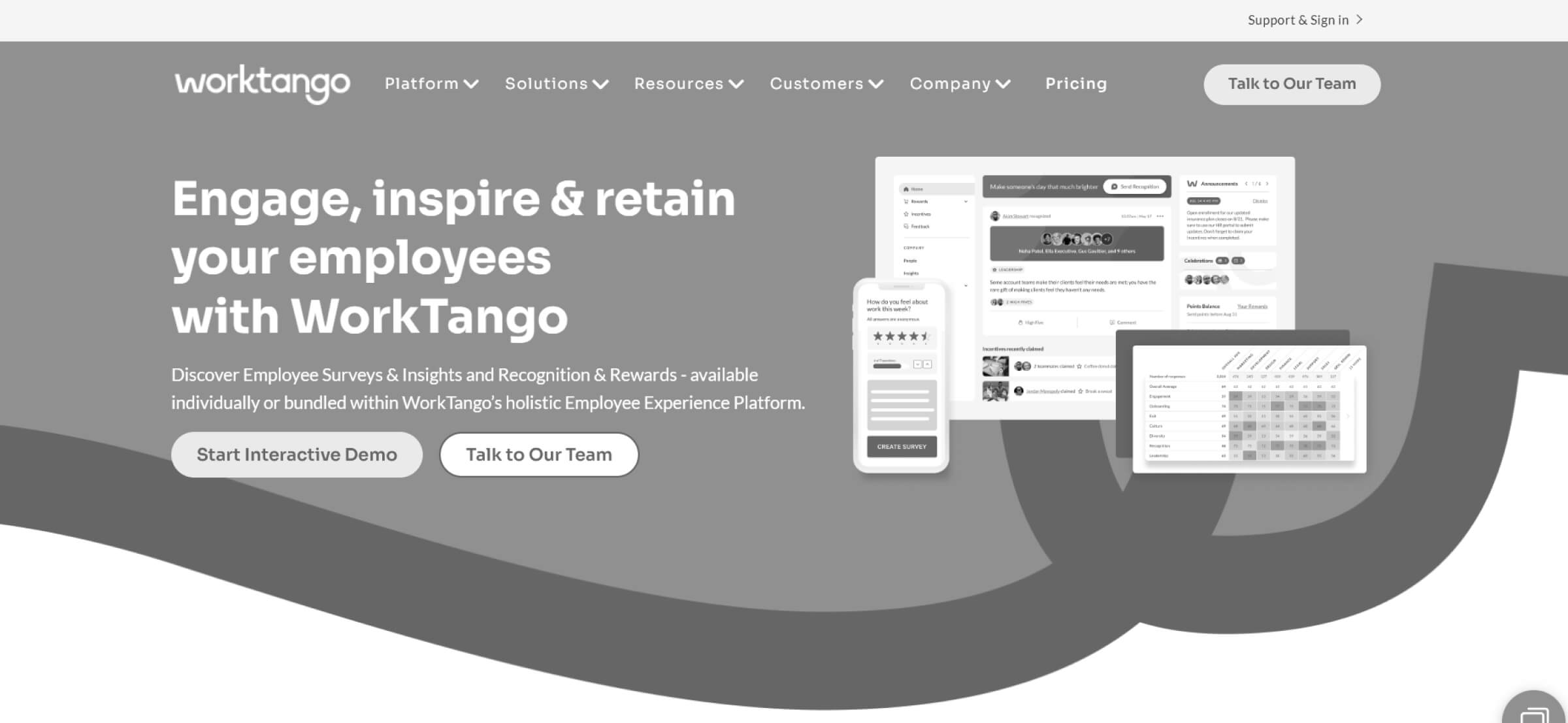
WorkTango is a unified employee engagement platform combining engagement surveys, lifecycle feedback, recognition tools, and benchmarking analytics. It supports action planning workflows.
Key Takeaways
- Pricing: Talk to sales
- G2’s score: 4.7 / 5
- Capterra score: 4.9 / 5
- WorkTango is best for: Recognition-driven engagement programs with survey capabilities
- Why we picked WorkTango: Combines rewards with employee perspective sharing
- Cons: Rewards value may feel limiting; occasional slow loads and delayed crediting
8. Officevibe
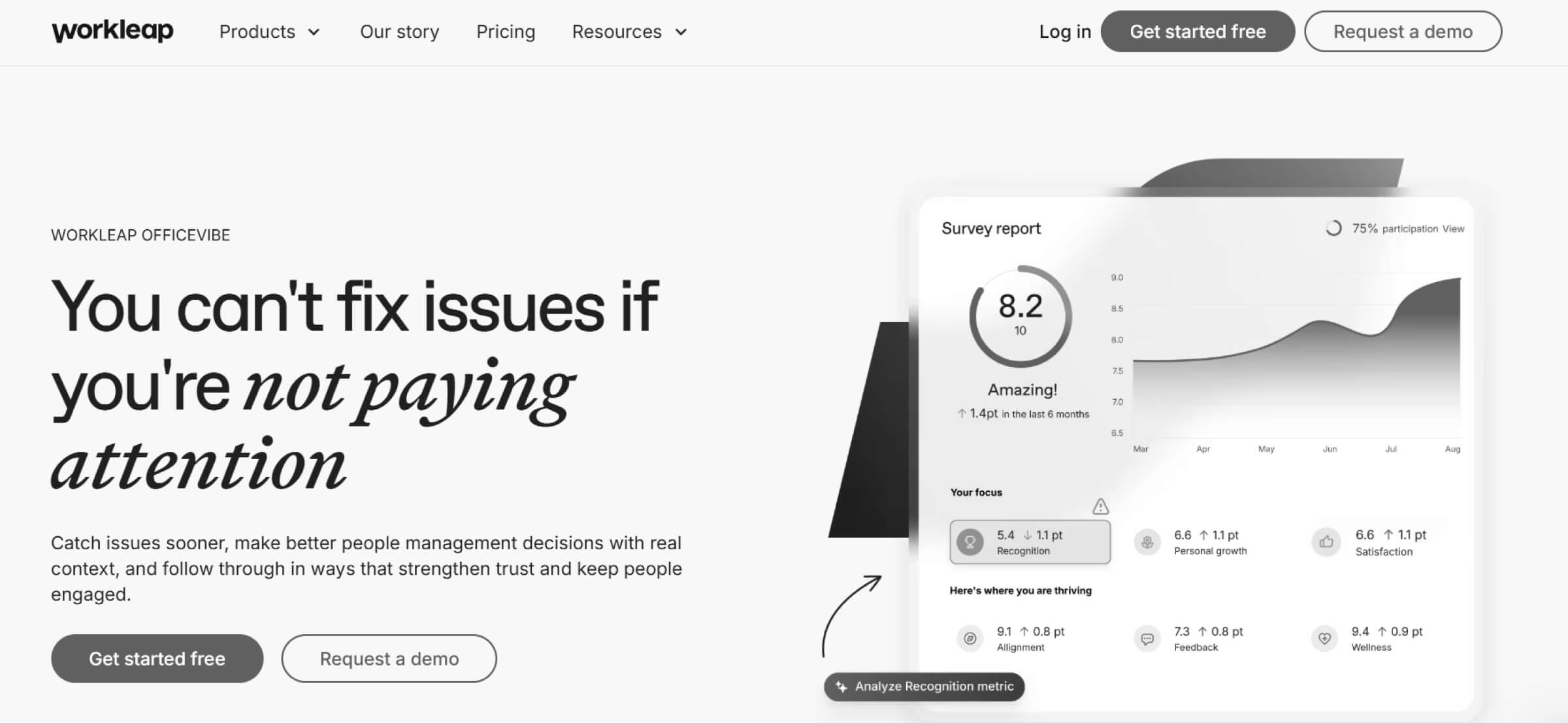
Officevibe is a lightweight employee engagement platform offering pulse surveys and anonymous feedback tools. It supports continuous listening programs for growing teams seeking simple engagement analytics.
Key Takeaways
- Pricing: $9.00 per user per month
- G2’s score: 4.3 / 5
- Capterra score: 4.8 / 5
- Officevibe is best for: Continuous pulse surveys and anonymous feedback
- Why we picked Officevibe: Flexible survey options with ease of use
- Cons: Interface may feel complex; setup and integrations can create overhead
9. Achievers
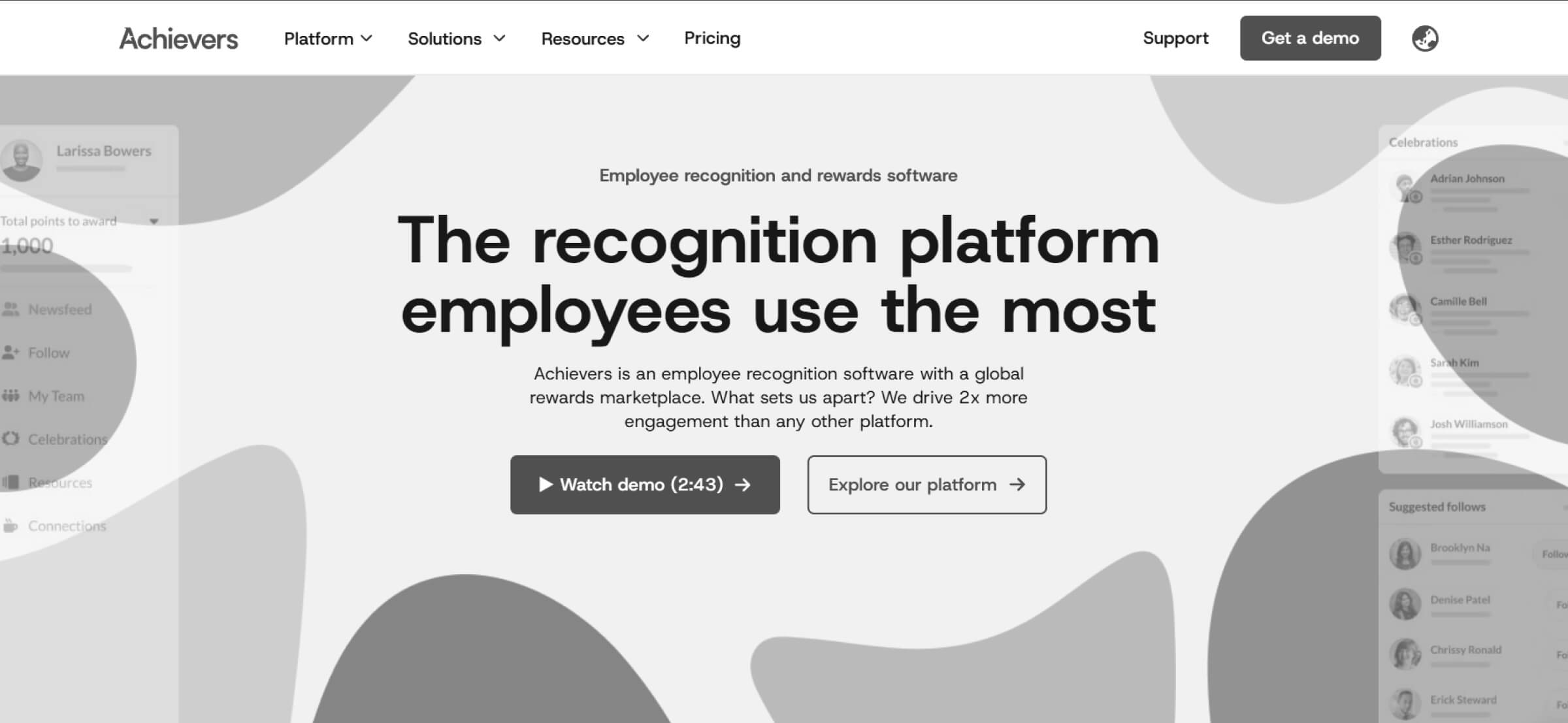
Achievers is an enterprise employee engagement platform featuring global recognition programs, engagement surveys, and behavioral analytics. It supports multinational organizations prioritizing reward systems.
Key Takeaways
- Pricing: Talk to sales
- G2’s score: 4.6 / 5
- Capterra score: 4.8 / 5
- Achievers is best for: Enterprise recognition and survey functionality
- Why we picked Achievers: Combines social recognition feed with survey capabilities
- Cons: Survey timing limitations after inactivity may interrupt workflow
(Source: Gallup)
10. Quantum Workplace
Quantum Workplace is a survey-centric employee listening platform offering engagement surveys, benchmarking tools, eNPS tracking, and action planning workflows. It supports structured engagement measurement with analytical depth.
Key Takeaways
- Pricing: $4.00 per employee per month
- G2’s score: 4.3 / 5
- Capterra score: 4.6 / 5
- Quantum Workplace is best for: Survey-driven engagement and review workflows
- Why we picked Quantum Workplace: Easy-to-use interface with accessible historical data
- Cons: Review cycles may feel repetitive, with similar questions across quarters
11. Reward Gateway
Reward Gateway is a comprehensive employee engagement platform integrating recognition programs, benefits tools, and communications features. It supports total rewards strategies with measurable engagement tracking.
Key Takeaways
- Pricing: Talk to sales
- G2’s score: 4.6 / 5
- Capterra score: N/A
- Reward Gateway is best for: Recognition and peer shoutouts across teams
- Why we picked Reward Gateway: A simple way to recognize and reward employees
- Cons: Limited points allocation may reduce reward flexibility
12. Empuls
Empuls is a recognition-driven employee engagement platform offering peer recognition, rewards, pulse surveys, and community tools. It supports culture reinforcement programs combining appreciation and engagement analytics.
Key Takeaways
- Pricing: Talk to sales
- G2’s score: 4.5 / 5
- Capterra score: N/A
- Empuls is best for: Recognition and automation-driven engagement programs
- Why we picked Empuls: Helps support automation initiatives alongside recognition
- Cons: Mobile app may lag; support responsiveness can be inconsistent
13. Workvivo
Workvivo is a communication-first employee experience platform featuring social intranet tools, recognition features, pulse surveys, and engagement analytics. It centralizes internal communication.
Key Takeaways
- Pricing: Talk to sales
- G2’s score: 4.8 / 5
- Capterra score: 4.7 / 5
- Workvivo is best for: Internal communication and engagement visibility
- Why we picked Workvivo: Strong peer communication and culture sharing capabilities
- Pros: Effective for communicating and sharing workplace updates
14. Bonusly
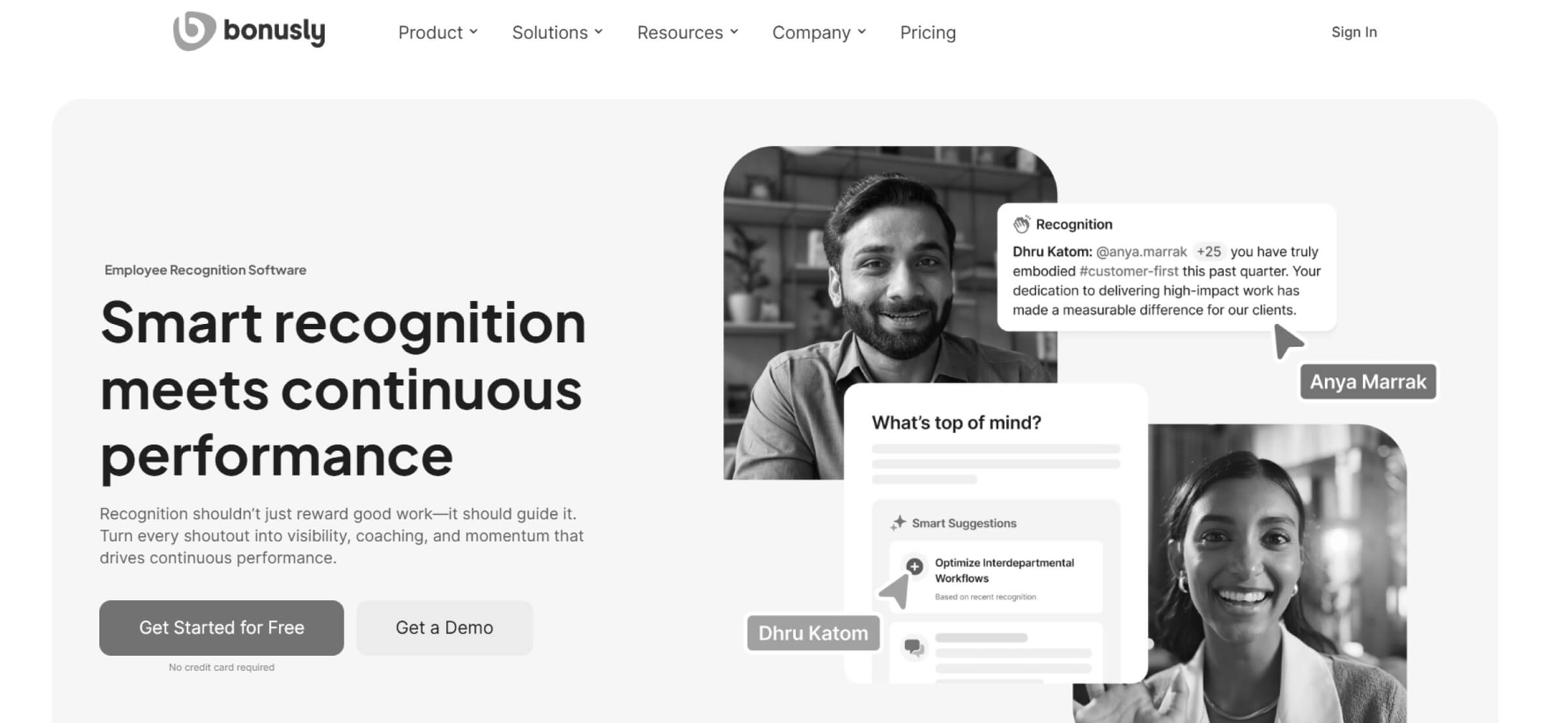
Bonusly is a lightweight employee engagement platform offering peer recognition, rewards tracking, and engagement analytics. It supports frequent appreciation programs in tech and mid-market organizations.
Key Takeaways
- Pricing: $3.00 per seat per month
- G2’s score: 4.7 / 5
- Capterra score: 4.8 / 5
- Bonusly is best for: Lightweight peer recognition programs
- Why we picked Bonusly: Simple and fast recognition system
- Cons: Rewards options may feel limited for some organizations
15. Kudos
Kudos is a recognition-led employee engagement platform offering peer recognition, engagement surveys, analytics dashboards, and rewards tools. It reinforces company culture through structured appreciation and measurable reporting.
Key Takeaways
- Pricing: Talk to sales
- G2’s score: 4.5 / 5
- Capterra score: 4.6 / 5
- Kudos is best for: Data-heavy engagement and survey analytics
- Why we picked Kudos: Strong heat-maps and readable data visualization
- Cons: Lacks full positive/neutral/negative score breakdown visibility
Why employee engagement matters in 2026
Employee engagement in 2026 directly affects retention, delivery speed, and customer satisfaction. In fast-moving IT environments, disengagement shows up as missed deadlines, quality issues, and unexpected attrition. That’s why IT employee engagement now requires structured systems, consistent listening, and measurable action instead of informal check-ins.
- Retention and delivery risk: When employee engagement drops, IT teams lose context fast, and work slows down. The best employee engagement platform for IT companies helps leaders spot churn risk early using sentiment analysis and anonymous feedback, then enables employees to fix blockers before delivery slips.
- Remote work needs stronger listening: In an employee engagement platform for remote IT teams, you need reliable signals without extra meetings. Anonymous feedback channels and anonymous feedback reduce fear, while a user-friendly platform boosts participation. That keeps distributed teams aligned and customer satisfaction steadier.
- Burnout shows up in small signals first: Teams rarely say “I’m burnt out” directly. Sentiment analysis and anonymous feedback channels surface early patterns, like workload strain and low morale. Leaders can act sooner with development tools, instead of waiting for exits.
- Managers need clearer, faster actions: Engagement data only helps when managers can use it quickly. A user-friendly platform turns feedback into simple next steps, helping employees with better support, clearer goals, and smarter recognition. That improves focus and keeps teams moving.
- Customer outcomes track team health: In IT, customer satisfaction often reflects internal health. When employees are engaged and supported, quality improves, and incidents drop. Free employee engagement tools may help early, but deeper analysis and anonymous feedback are needed to stay consistent at scale.
Steps to choose the right employee engagement platform for IT companies
Selecting an employee engagement platform for software companies requires clarity on goals, workflows, and measurable outcomes. The right choice improves workforce motivation, strengthens engagement scores, and supports the entire employee lifecycle. The wrong one leads to poor adoption, scattered data, and limited impact despite good intentions.
- Define engagement goals: Start with the moments you want to improve: employee onboarding, one-on-one meetings, or releasing stress. Goals decide what to measure and which engagement scores matter in an employee engagement platform for hybrid IT teams.
- Confirm listening depth: Ensure the pulse cadence fits engineers, with short checks and space for anonymous comments. Employee engagement tools for engineering teams should segment surveys by role and location, so employee engagement tools for IT stay precise.
- Validate recognition and rewards: If you plan to drive workforce motivation, check how meaningful rewards are earned and redeemed. Look for peer recognition that ties to values, supports team rituals, and works across countries without complicated catalogs or tax surprises.
- Demand actionable analytics: Engagement dashboards should turn employee surveys into data-driven decisions, not just charts. Check trend views, driver analysis, and filters by team and tenure, so you can connect engagement scores to retention, delivery, and manager follow-through.
- Check adoption plumbing: Prioritize Slack integration and SSO so employees respond where they already work. Confirm mobile access for field-like roles in IT services, and ensure the platform syncs with HRIS and ticketing tools to avoid duplicate data and exports.
- Assess vendor capability: Ask for a proven track record with similar headcount, security needs, and rollout speed. Strong employee onboarding, templates, and customer support reduce setup friction, keep response rates high, and help managers act consistently after every cycle.
Once you shortlist platforms, the next question is timing. IT leaders want to know when engagement scores move and what changes first. In the next section, we’ll map realistic timelines and leading indicators for IT companies.
How long does it take for IT companies to see engagement improvements
Engagement change in IT is like performance tuning. You won’t fix everything in one sprint, but you should see early signals quickly. With a workforce engagement platform, leaders can use employee feedback software to spot what’s broken, run targeted fixes, and track employee engagement data without waiting for annual cycles.
- Weeks 2–4: Early response lift: A pulse survey platform usually raises participation fast when surveys are short and sent in Slack and Microsoft Teams. You’ll start seeing employee insights on workload, manager support, and clarity, giving HR usable feedback tools to act quickly.
- Months 1–2: Team-level behavior shifts: Engineering team engagement improves when managers close the loop on two to three issues. Employee engagement software helps teams boost engagement by turning employee feedback into clear actions, then tracking whether the changes reduce friction.
- Months 3–6: Measurable score movement: This is when employee engagement data starts reflecting real change in engagement scores and retention signals. A people analytics platform helps connect employee insights to outcomes like delivery consistency, fewer escalations, and stronger business success patterns.
- 6+ months: Culture becomes repeatable: Improvements stick when feedback tools become routine, actions are visible, and teams trust the process. At this stage, the workforce engagement platform shifts from “surveying” to operating rhythm, keeping employee feedback software useful quarter after quarter.
Next, we’ll break down how CultureMonkey works as an employee engagement platform for IT companies, from setup to insights to action.
How CultureMonkey works as an employee engagement platform for IT companies
CultureMonkey helps IT companies run structured engagement surveys for tech teams, collect actionable feedback, and convert insights into clear action plans. It centralizes listening, analytics, and manager workflows in one platform. The result is faster issue resolution, stronger accountability, and measurable follow-through across remote and hybrid IT environments.
- Set up surveys with guardrails: Launch engagement surveys for tech teams using 50+ customizable survey templates, lifecycle checkpoints, and structured guardrails. Target onboarding, workload balance, and manager clarity while keeping surveys short, scheduled, and anonymous to ensure honest participation across engineering and product teams.
- Collect feedback where work happens: Deliver pulse surveys through Slack and Microsoft Teams with seamless mobile access. This keeps participation high across distributed IT teams while minimizing reminder fatigue and enabling consistent weekly trend tracking without disrupting productivity.
- Turn comments into structured insights: AI-powered sentiment analysis groups open-text feedback into recurring themes like workload pressure, communication gaps, and recognition needs. Leaders quickly identify root causes without manual sorting, accelerating decision-making across engineering and product teams.
- Drive action through manager dashboards: Manager dashboards highlight priority issues, recommend next steps, and track follow-through over time. Managers focus on one or two improvements per cycle, communicate actions clearly, and measure impact in the next survey round.
- Predict disengagement using AI signals: Predictive analytics detect engagement risks early by analyzing trends and behavioral signals. This allows HR and engineering leaders to intervene before burnout, attrition, or performance decline affects delivery timelines.
- Benchmark against industry standards: Built-in benchmarking tools compare engagement metrics against similar IT organizations. Leaders gain context for interpreting scores, setting realistic goals, and avoiding overreaction to isolated dips in engagement data.
- Support end-to-end engagement strategy: From survey design to structured action planning, CultureMonkey supports a complete engagement workflow. This ensures engagement efforts remain consistent, measurable, and aligned with broader organizational performance goals.
- Generate customizable executive reporting: Advanced reporting tools allow leaders to filter engagement data by team, tenure, and function. Clear visuals and trend comparisons make it easier to communicate progress and priorities to executives and stakeholders.
- Receive proactive action recommendations: The platform suggests tailored next steps based on survey patterns and engagement signals. Managers receive guided recommendations that reduce decision fatigue and improve follow-through across distributed teams.
Conclusion
Everything starts with listening. For IT companies, the right employee engagement platform turns employee feedback into structured action before burnout, attrition, or delivery risks escalate. Engagement directly impacts retention, engineering productivity, and customer satisfaction.
Without clear data, managers react too late. CultureMonkey helps teams measure engagement consistently, surface real issues early, and translate insights into accountable action. With focused surveys, manager dashboards, and AI-driven analysis, it ensures feedback drives measurable improvement and sustained business performance across remote and hybrid teams.
Book a demo with CultureMonkey.
FAQs
1. What is an employee engagement platform for IT companies?
An employee engagement platform for IT companies is software that collects employee feedback, tracks engagement signals, and drives structured action across engineering teams. It runs pulse surveys, supports anonymous feedback, enables employee recognition, and helps leaders detect burnout early and reduce retention risk.
2. What does an employee engagement platform mean for IT teams?
For IT teams, it creates a consistent way to listen without slowing delivery. Short pulses and Slack integration surface workload pressure and recognition gaps. Manager dashboards show what changed and what needs action, strengthening alignment, accountability, and sprint stability across distributed teams.
3. What is employee engagement in IT companies?
Employee engagement in IT companies reflects the commitment and energy people bring to building, shipping, and supporting software. It drives ownership, collaboration, and continuous employee development. High engagement improves quality, strengthens recognition culture, and supports customer satisfaction, while low engagement increases burnout and attrition risk.
4. How does an employee engagement platform work for remote IT teams?
For remote IT teams, a unified platform delivers short surveys through Slack or Microsoft Teams and collects responses anonymously. Real-time analytics organize themes while dashboards track engagement trends. Managers act quickly, reinforce recognition, and ensure employees stay supported across distributed environments.
5. Why do IT companies need a dedicated employee engagement platform?
IT companies need a dedicated unified platform because small morale dips quickly escalate into delivery risks. It centralizes employee feedback software, pulse surveys, and real-time analytics. Leaders detect burnout, onboarding gaps, and manager issues early, protecting retention and long-term performance.
6. How do IT leaders measure engagement without hurting productivity?
IT leaders measure engagement using short, scheduled pulses embedded within daily tools. Real-time analytics surface insights without lengthy surveys. By closing the loop, supporting employee development, and involving the customer success team when needed, they improve engagement without disrupting productivity.