


15+ Top employee engagement platforms for enterprises in 2026

Employee engagement platforms have become core enterprise systems, shaping how leadership teams listen, prioritize, and act at scale. An employee engagement platform is a system that collects workforce feedback, analyzes engagement trends, and supports structured follow-through across teams. As enterprise environments become more complex, choosing the right platform is less about long feature lists and more about overall fit.
This guide brings together the top employee engagement platforms for enterprises, curated using industry expertise, enterprise use-case analysis, and publicly available product information. Each platform is assessed on scalability, integrations, pricing transparency, and enterprise readiness.


- Employee survey platforms structure employee feedback and surface priorities.
- Employee recognition tools reinforce culture and motivate teams.
- Internal communication platforms align employees in distributed workforces.
- Employee analytics tools uncover trends and engagement drivers.
- Employee collaboration ecosystems integrate engagement into daily workflows.
Below is a quick snapshot of a handful of tools featured in this enterprise employee engagement tools list. This table offers a short view before we explore each platform in detail.
Quick comparison of enterprise engagement platforms
| Tool | Primary strength | Best for | Typical rating (G2/Capterra) |
|---|---|---|---|
| CultureMonkey | Enterprise analytics | Multi-layer engagement visibility across enterprises | 4.7/5 |
| Lattice | Manager workflows | Performance management + engagement alignment | 4.7/5 |
| Achievers | Recognition-linked surveys | Engagement + social participation | 4.7/5 |
| Culture Amp | Benchmarking | Data-driven engagement programs | 4.6/5 |
| Motivosity | Peer recognition | Culture-building reward programs | 4.8/5 |
| Nectar HR | Simple rewards | Everyday team recognition | 4.8/5 |
| Bonusly | Micro-bonus model | Lightweight peer appreciation | 4.8/5 |
| Vantage Circle | Incentive programs | Coupon-based reward management | 4.7/5 |
| Workvivo | Internal communication | Community-driven engagement | 4.8/5 |
| Staffbase | Structured messaging | Internal communication | 4.7/5 |
15+ Top employee engagement platforms for enterprises
This enterprise employee engagement tools list includes platforms designed to support surveys, analytics, recognition, and communication across complex organizational structures.
Enterprise engagement survey platforms
The following list of employee engagement software focuses on enterprise survey tools, structured feedback collection, and engagement analytics designed for large organizations.
1. CultureMonkey
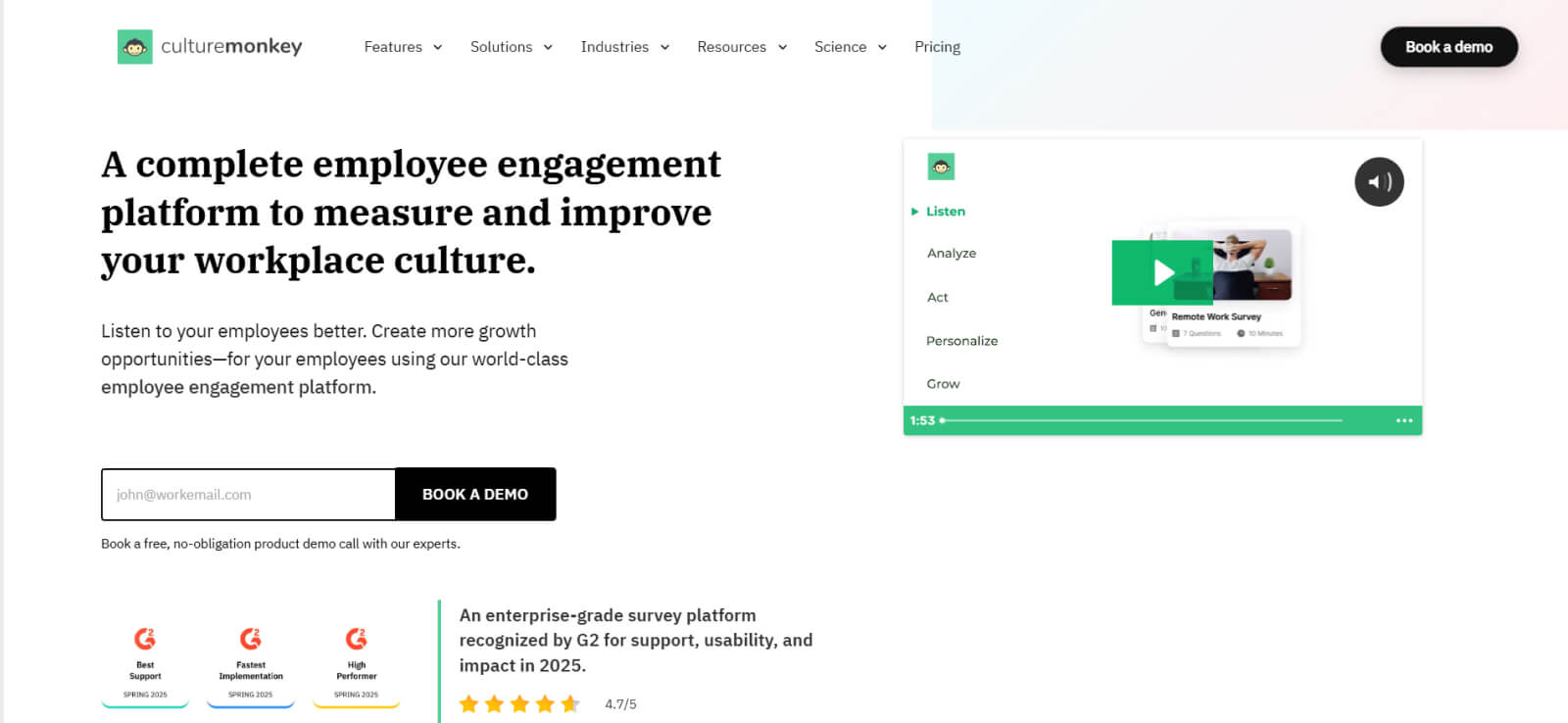



CultureMonkey is an enterprise employee engagement platform designed for continuous listening and structured engagement analysis at scale. It helps leadership teams understand engagement patterns across roles, teams, and locations while maintaining response confidentiality as a unified platform.

Key Takeaways
- Pricing: Talk to sales
- G2 Rating: 4.7/5
- Cons: Report customization may feel limited.
- Why we picked: Enterprise analytics with strong anonymity controls.
Take a quick interactive tour inside CultureMonkey:
2. Lattice
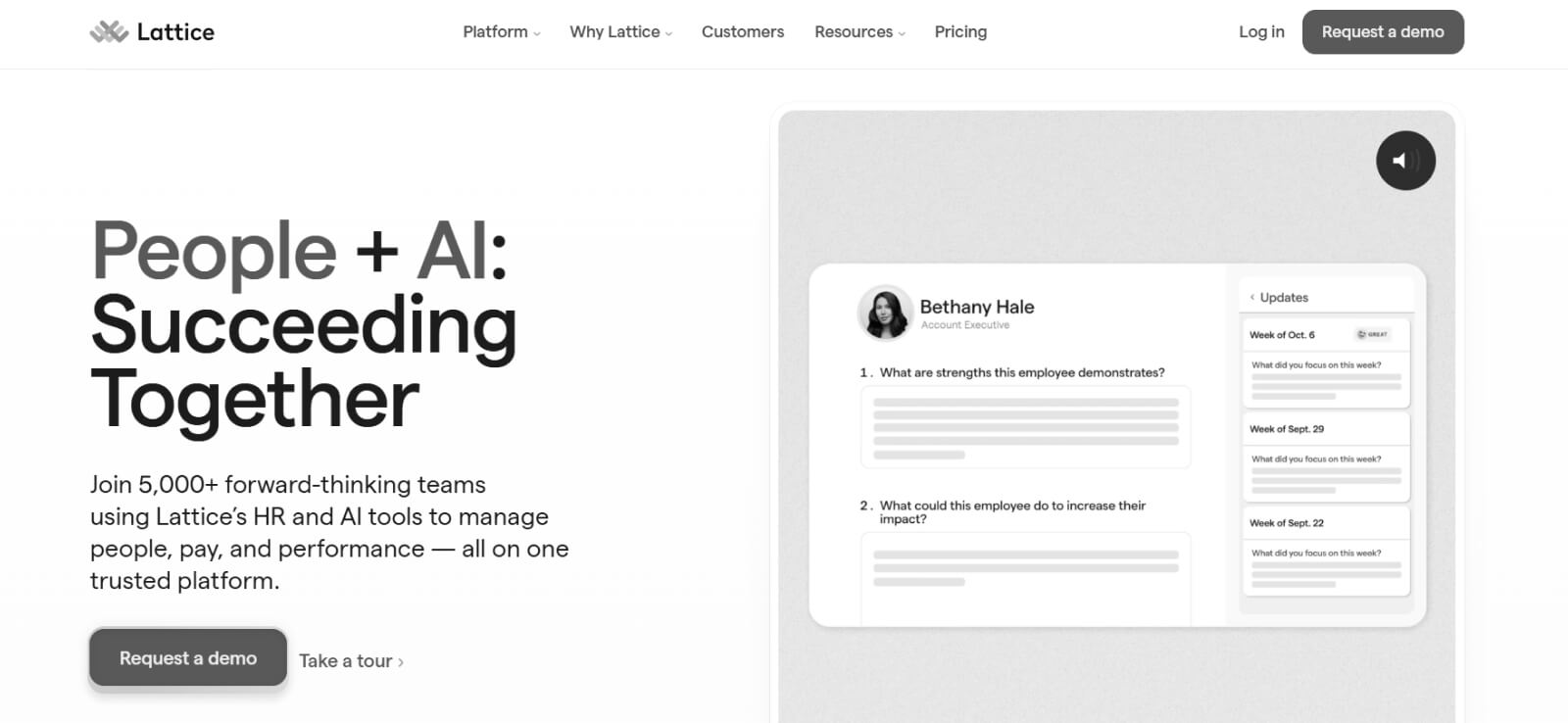
Lattice is a people management employee engagement software that combines engagement surveys with performance management and one-on-one workflows. It is commonly used by organizations that want engagement data connected to manager routines.
Key Takeaways
- Pricing: $11 per user monthly
- G2 Rating: 4.7/5
- Capterra Rating: 4.5/5
- Cons: Navigation may require extra clicks.
- Why we picked: Strong structure for manager one-on-ones.
Read more on Lattice alternatives here.
3. Achievers
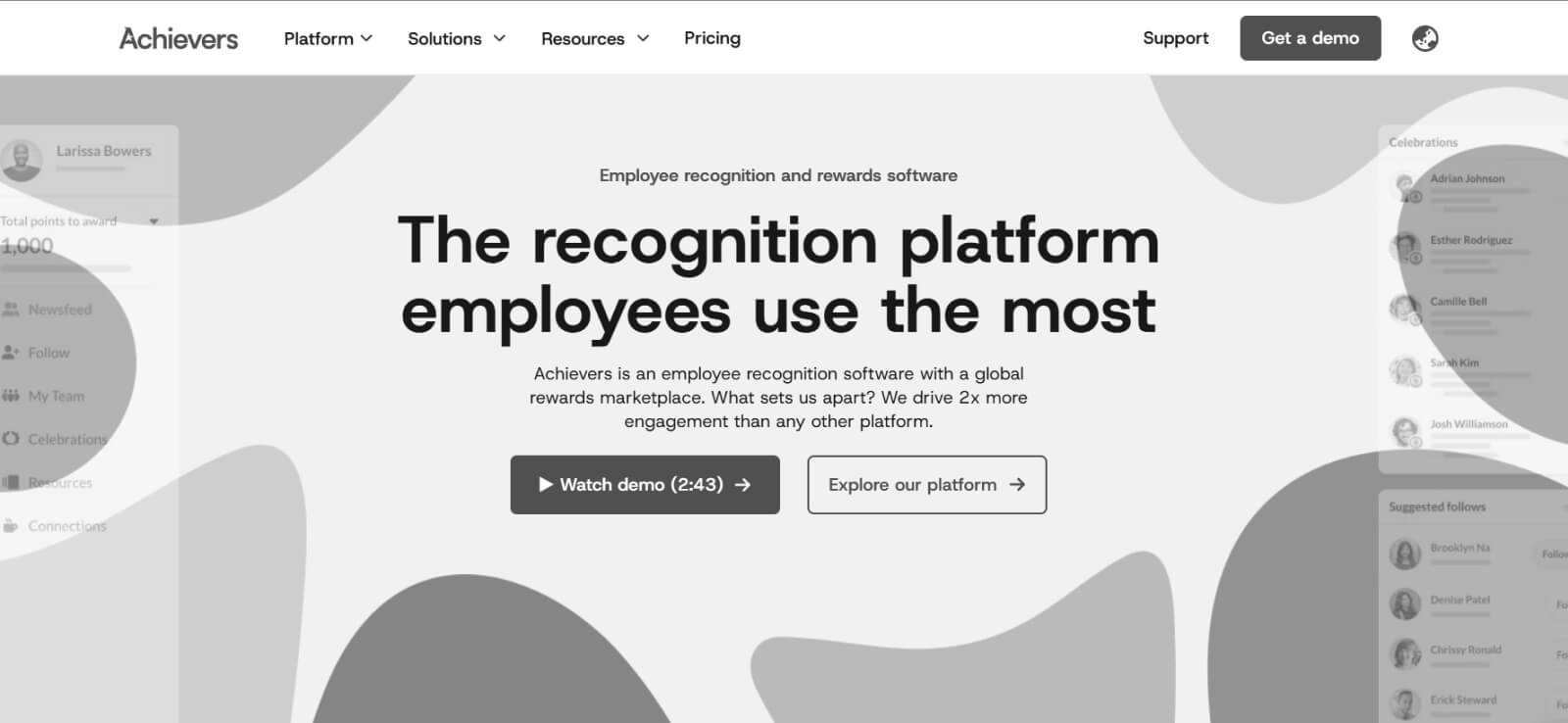
Achievers is an employee engagement software that blends employee surveys with recognition and social interaction. It is often used by organizations looking to link engagement data with recognition activity.
Key Takeaways
- Pricing: Talk to sales
- G2 Rating: 4.6/5
- Capterra Rating: 4.8/5
- Cons: Surveys may timeout after inactivity.
- Why we picked: Links engagement feedback with recognition.
4. Culture Amp
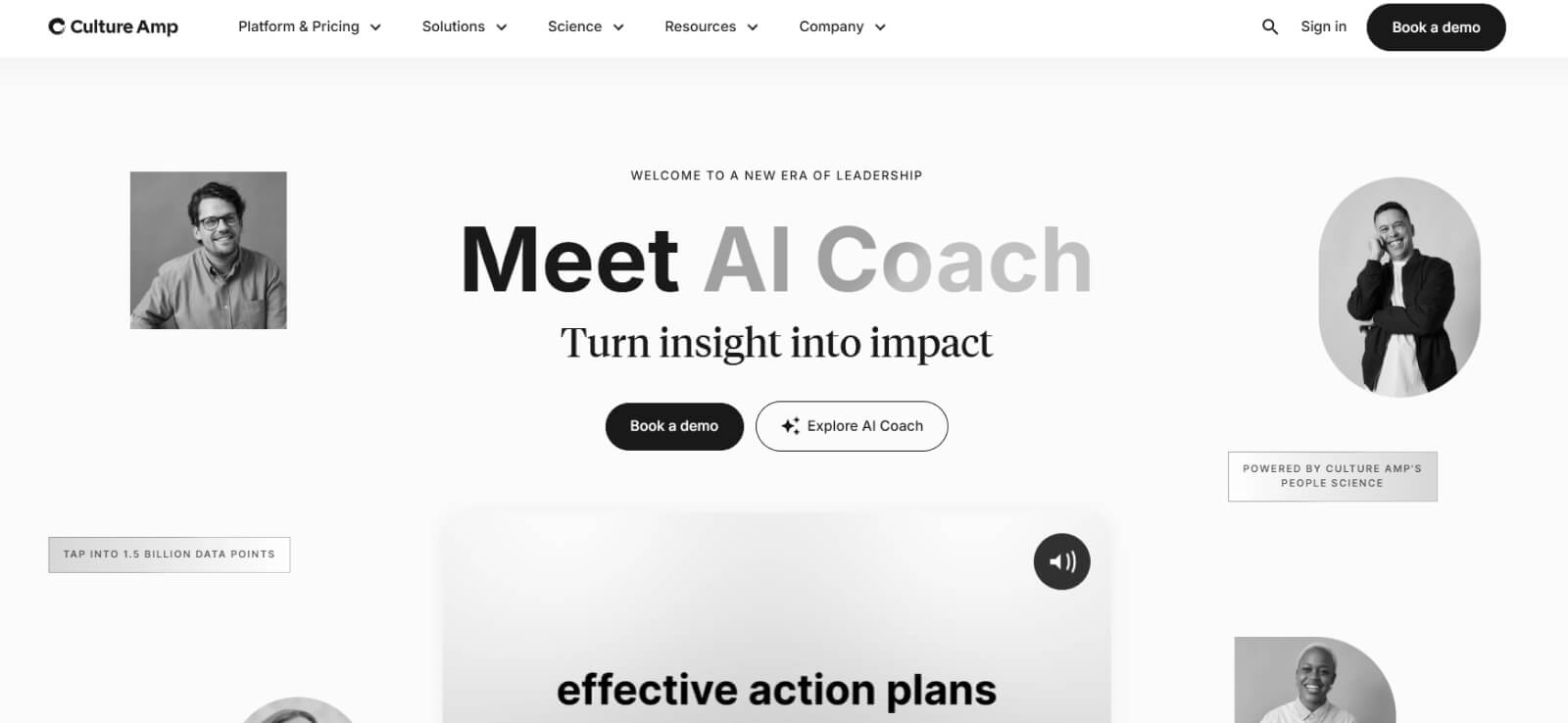
Culture Amp is an enterprise employee experience platform focused on engagement and lifecycle feedback. It is used by organizations that value benchmarking and structured engagement data visualizations.
Key Takeaways
- Pricing: Talk to sales
- G2 Rating: 4.5/5
- Capterra Rating: 4.6/5
- Cons: Neutral score summaries may feel limited.
- Why we picked: Strong benchmarking and visual reporting.
Read more on CultureMonkey vs Culture Amp here.
Enterprise recognition and rewards platforms
The tools below are largely centered on employee recognition programs and culture reinforcement within enterprise environments.
5. Motivosity
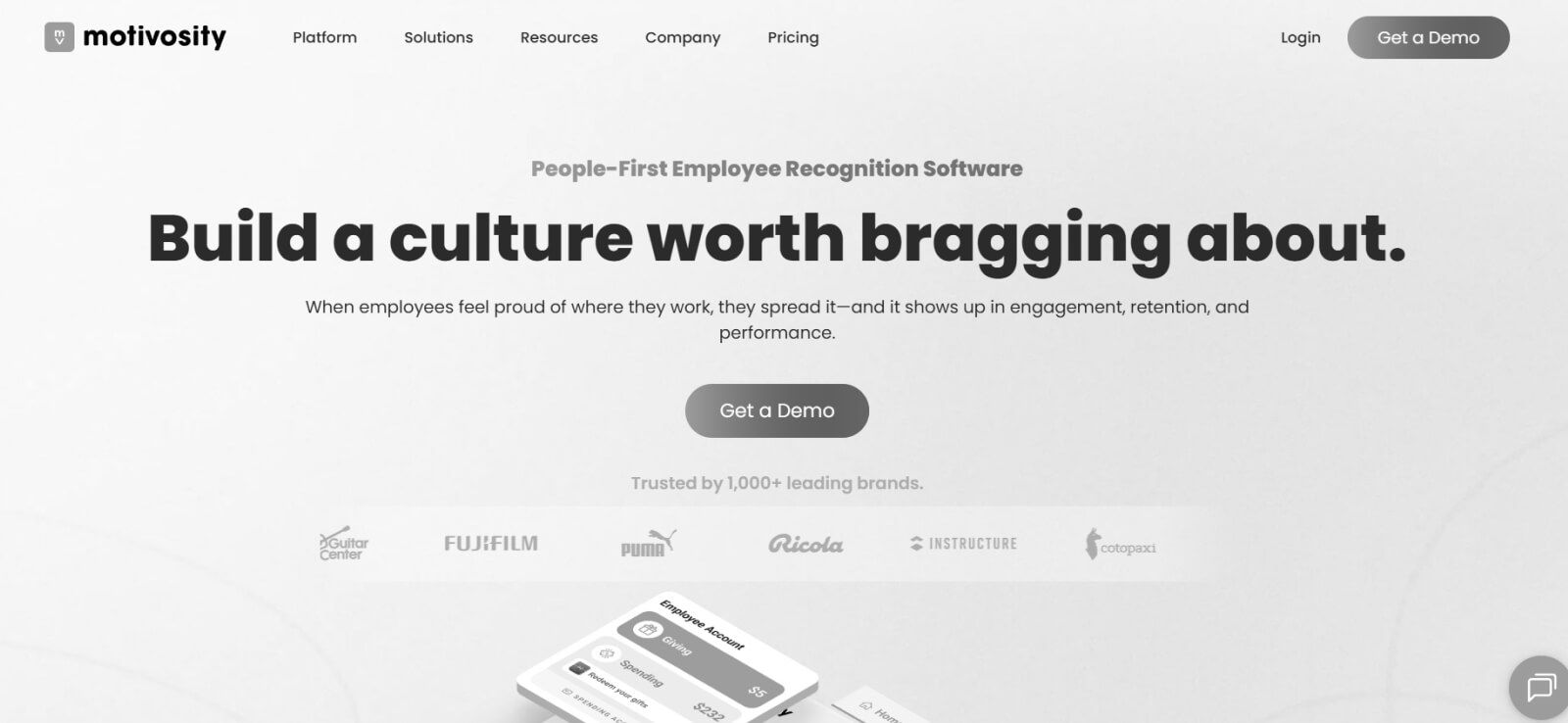
Motivosity is an employee recognition and rewards platform designed to support peer appreciation and employee satisfaction across large organizations. It is commonly used to increase visibility of recognition activity.
Key Takeaways
- Pricing: Talk to sales
- G2 Rating: 4.7/5
- Capterra Rating: 4.8/5
- Cons: Recognition history may be harder to track.
- Why we picked: Clear peer recognition experience.
6. Nectar HR
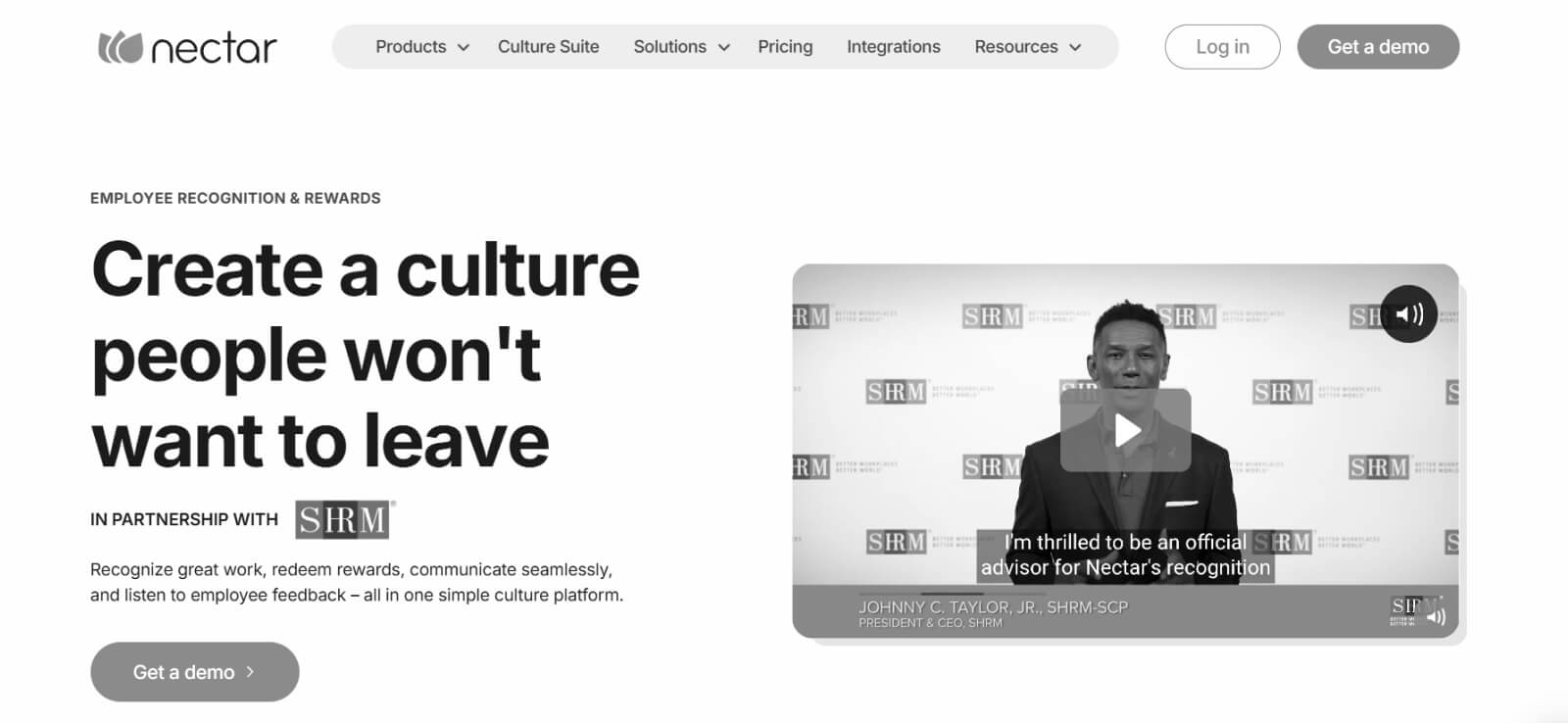
Nectar HR is a recognition employee engagement software platform focused on peer rewards and everyday appreciation. It is often used by teams looking for simple recognition workflows.
Key Takeaways
- Pricing: Talk to sales
- G2 Rating: 4.7/5
- Capterra Rating: 4.8/5
- Cons: Inactivity lockouts may disrupt access.
- Why we picked: Simple reward distribution for teams.
(Source: Gallup)
7. Bonusly
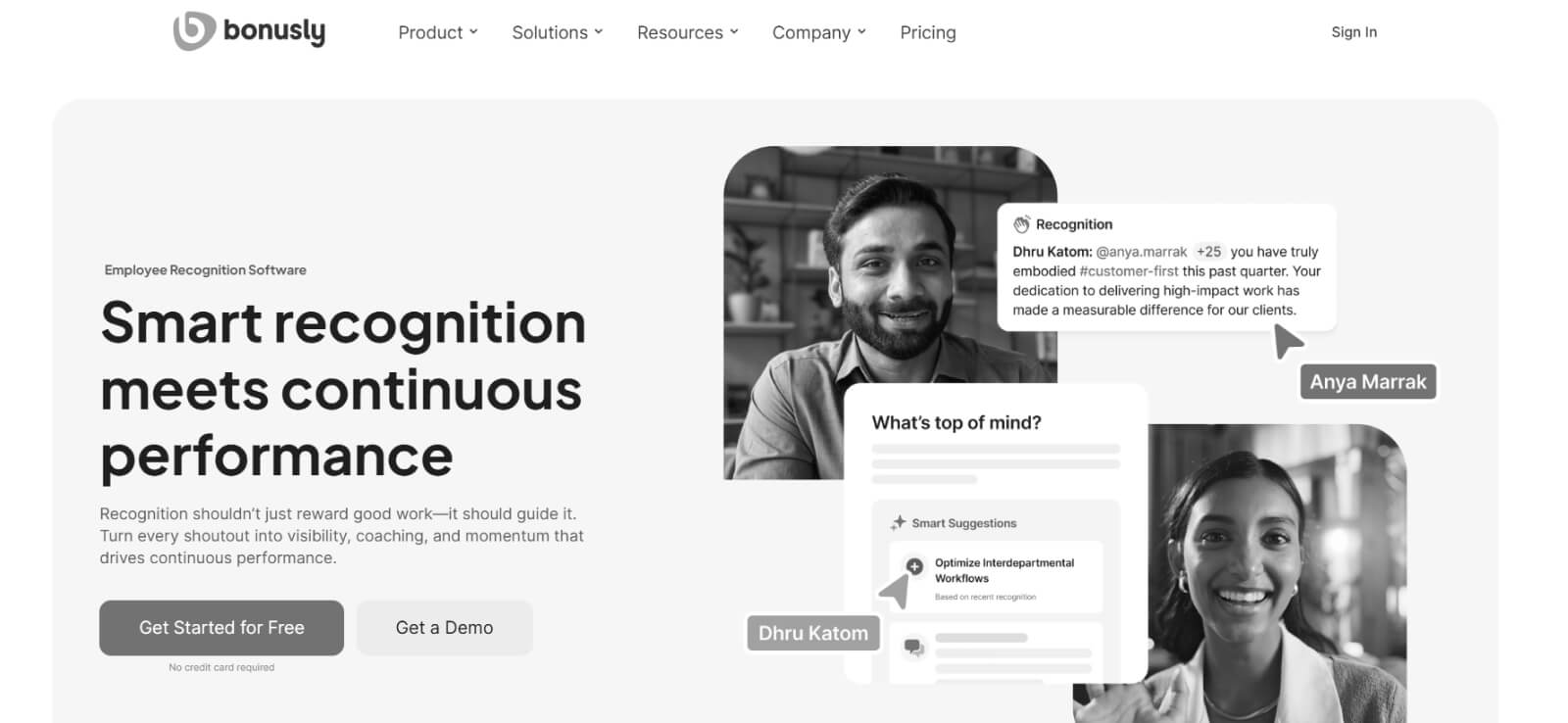
Bonusly is a recognition employee engagement software platform focused on lightweight peer rewards and frequent appreciation. It is often used by organizations that want simple recognition mechanics with minimal setup.
Key Takeaways
- Pricing: $3 per seat monthly
- G2 Rating: 4.7/5
- Capterra Rating: 4.8/5
- Cons: Reward options may feel limited.
- Why we picked: Simple peer recognition at scale.

Turn enterprise feedback into measurable action
- Advanced engagement analytics
- Strong anonymity safeguards
- Manager-level action tracking
8. Vantage Circle
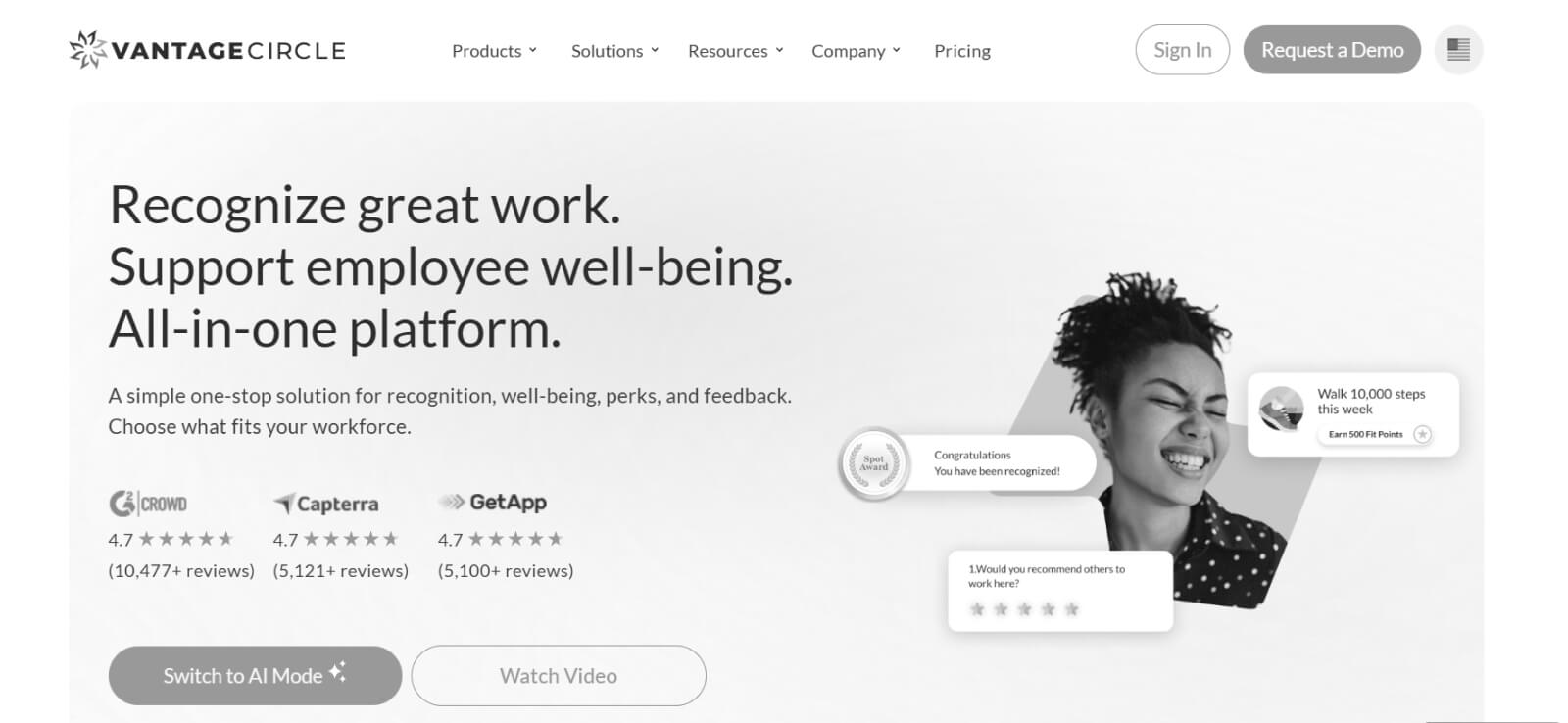
Vantage Circle is a rewards and recognition employee engagement software platform designed to support incentive programs across organizations. It is commonly used for managing coupons, rewards, and participation reporting.
Key Takeaways
- Pricing: Talk to sales
- G2 Rating: 4.7/5
- Capterra Rating: 4.7/5
- Cons: Initial setup may feel unintuitive.
- Why we picked: Centralized reward program management.
Enterprise internal communication platforms
The employee engagement software platforms in this section mainly support internal communication and community-building across large organizations.
9. Workvivo
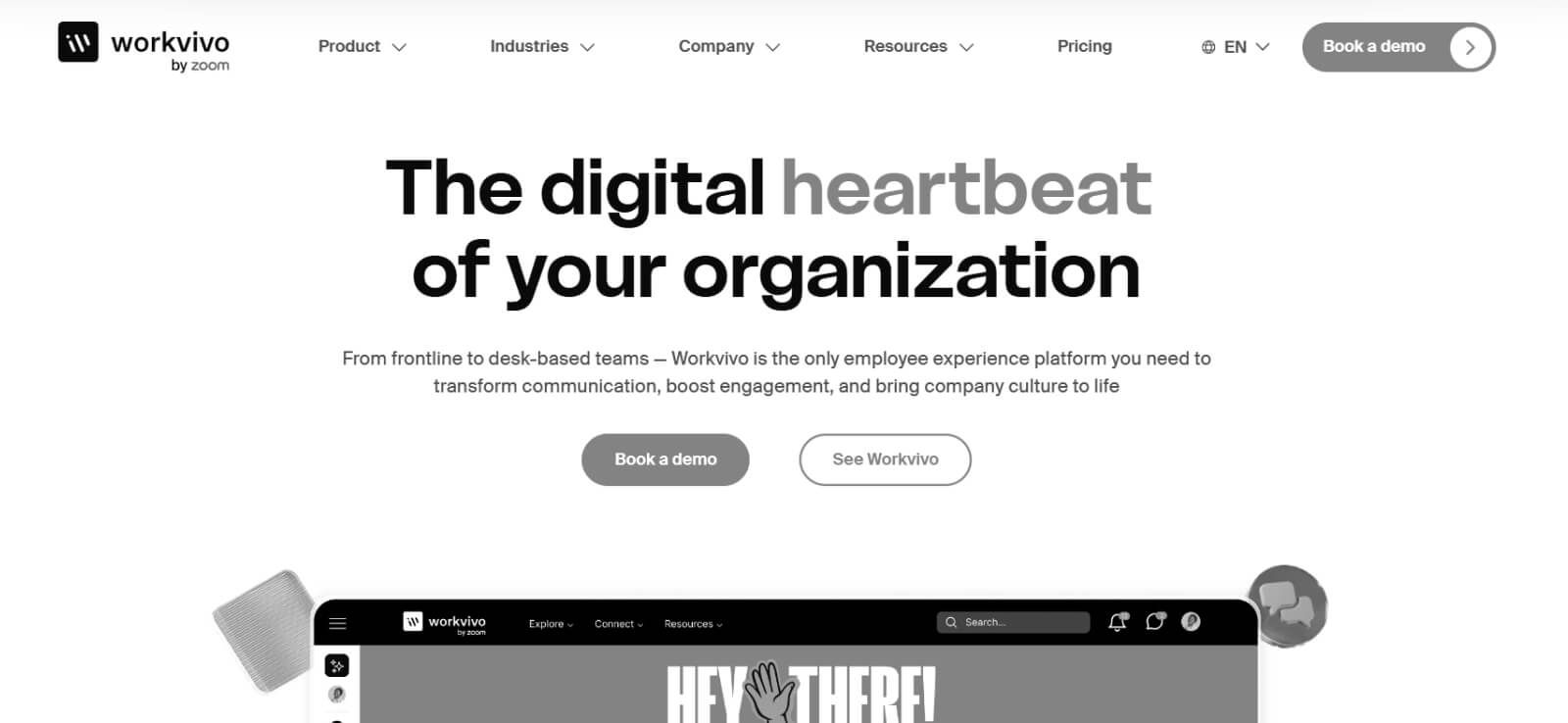
Workvivo is an internal communication tool built for employee interaction. It is often used to share updates and build engagement through social-style feeds.
Key Takeaways
- Pricing: Talk to sales
- G2 Rating: 4.8/5
- Capterra Rating: 4.7/5
- Cons: Customization options may feel limited.
- Why we picked: Strong internal communication experience.
Read more on Workvivo survey alternatives here.
10. Staffbase
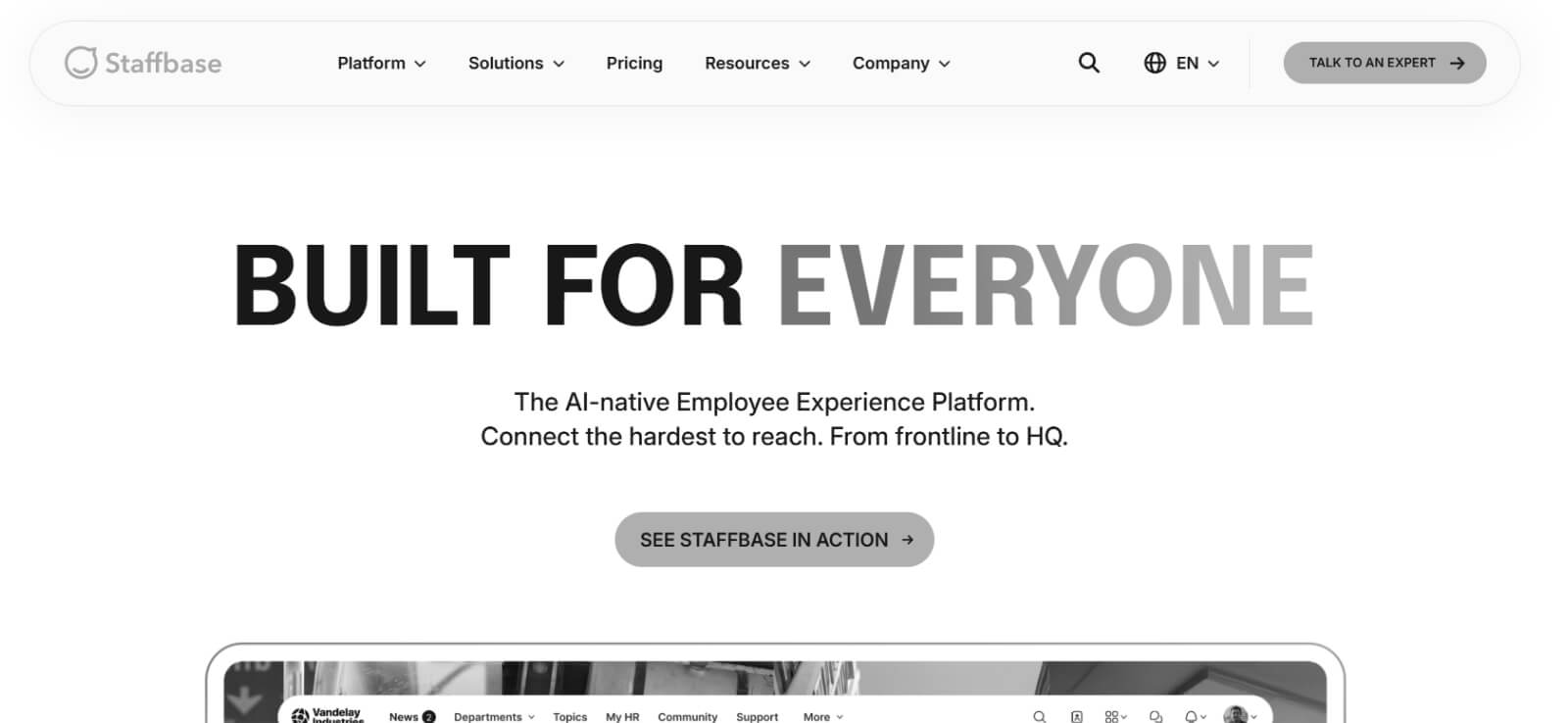
Staffbase is an employee communication tool focused on structured content delivery. It is typically used by enterprises managing large or distributed workforces.
Key Takeaways
- Pricing: Talk to sales
- G2 Rating: 4.6/5
- Capterra Rating: 4.7/5
- Cons: Admin setup may feel complex.
- Why we picked: Structured enterprise communication delivery.
Enterprise engagement analytics platforms
The following tools measure employee engagement, emphasize analytics, employee sentiment tracking, and structured insight generation from employee feedback.
11. Workleap Officevibe
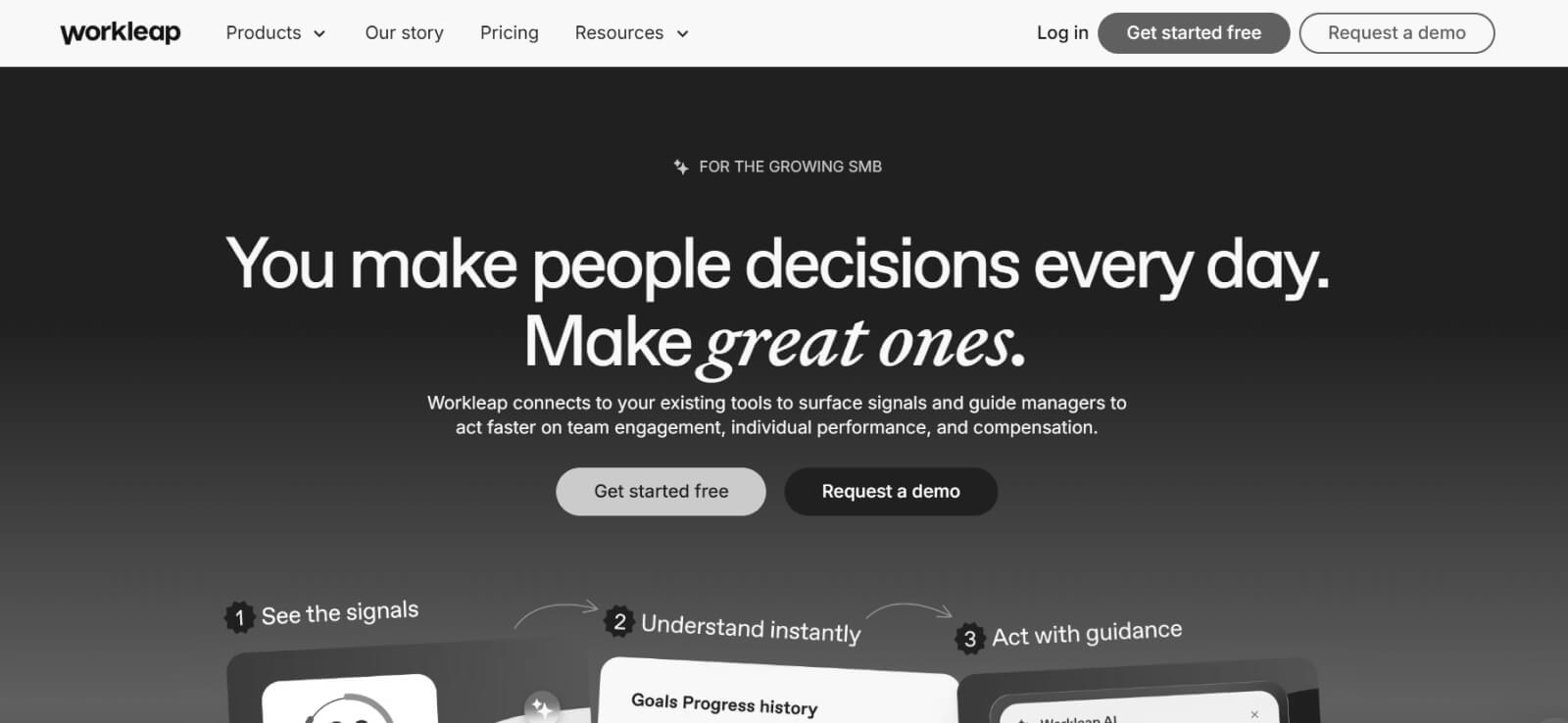
Workleap Officevibe is an employee feedback and engagement platform centered on pulse surveys and manager insights. It is often used to maintain regular feedback loops within teams.
Key Takeaways
- Pricing: $9 per user monthly
- G2 Rating: 4.3/5
- Capterra Rating: 4.8/5
- Cons: Setup may feel complex initially.
- Why we picked: Regular pulse feedback with anonymity.
Read more on Officevibe alternatives here.
12. TINYpulse
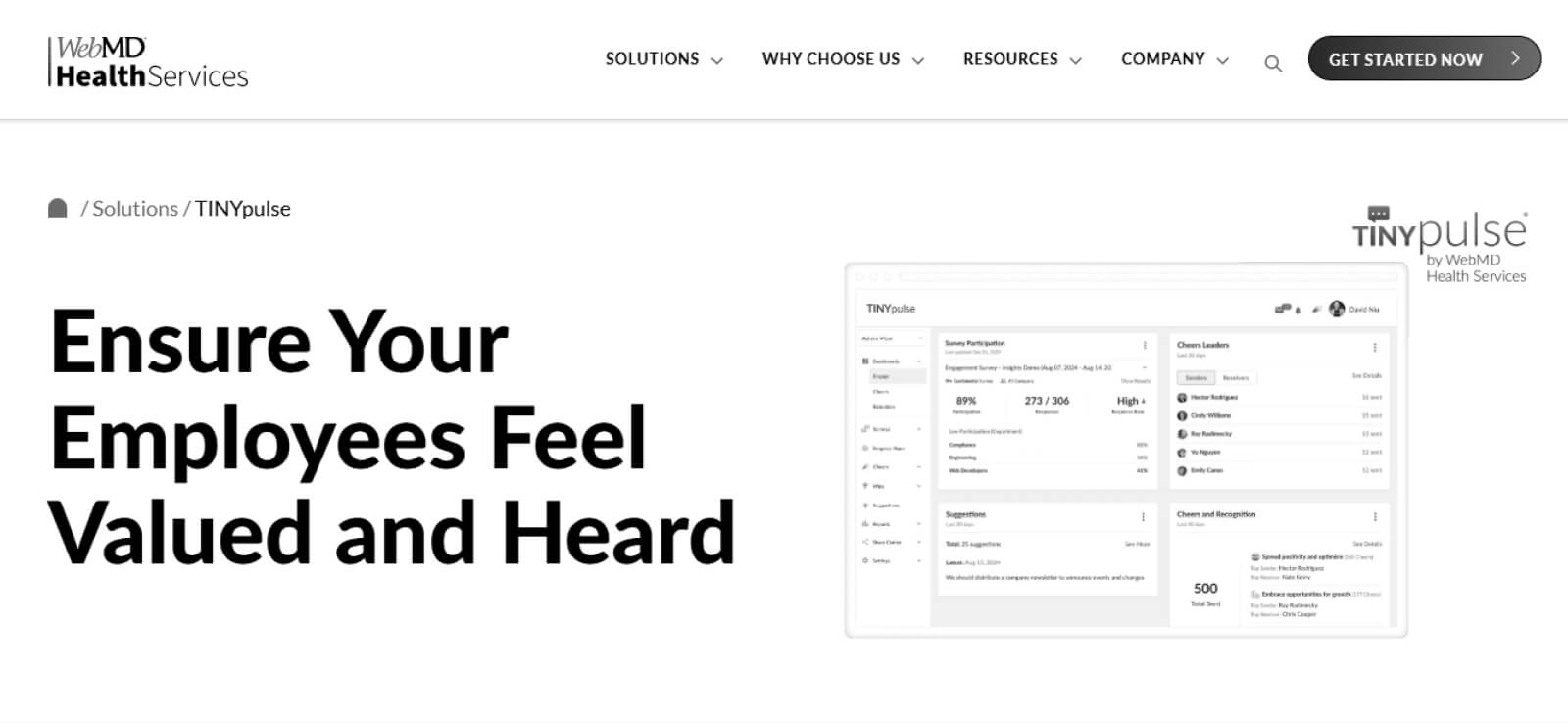
TINYpulse is an employee engagement platform focused on anonymous feedback and suggestion collection. It is commonly used to capture opinions that may not surface through direct channels.
Key Takeaways
- Pricing: Talk to sales
- G2 Rating: 4.4/5
- Capterra Rating: 4.6/5
- Cons: Insight depth may feel limited.
- Why we picked: Anonymous feedback collection.
13. Quantum Workplace
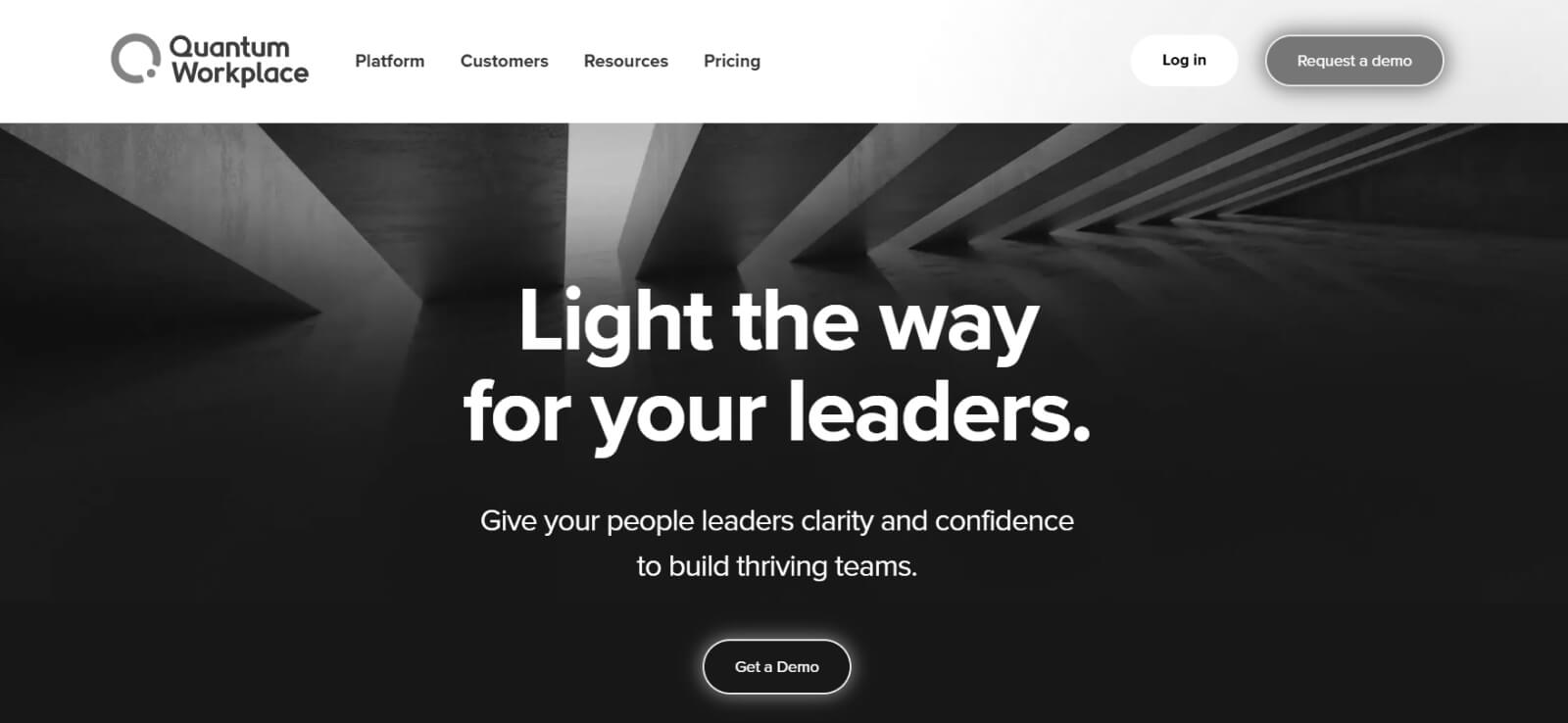
Quantum Workplace is an employee engagement platform focused on surveys and lifecycle feedback for organizations running regular review cycles. It is commonly used by enterprises looking for structured engagement measurement over time.
Key Takeaways
- Pricing: $4 per employee monthly
- G2 Rating: 4.3/5
- Capterra Rating: 4.6/5
- Cons: Questions may feel repetitive over time.
- Why we picked: Structured lifecycle engagement tracking.
14. 15Five
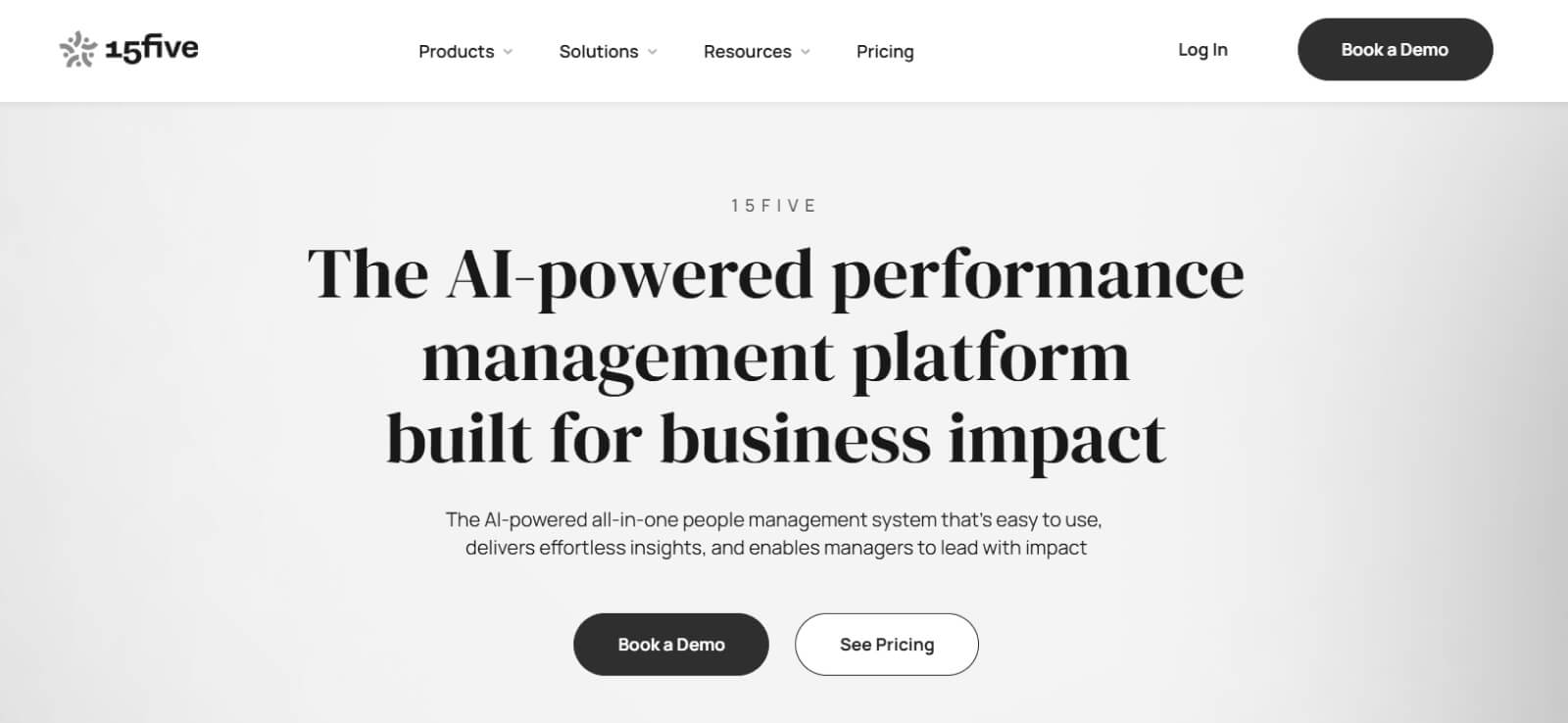
15Five is a performance management and engagement platform built around regular check-ins and feedback. It is often used by organizations that want engagement tied closely to manager communication.
Key Takeaways
- Pricing: $4 per employee monthly
- G2 Rating: 4.6/5
- Capterra Rating: 4.7/5
- Cons: Advanced features may require higher plans.
- Why we picked: Strong manager check-in workflows.
Read more on 15Five alternatives here.
Enterprise workforce collaboration platforms
These tools are primarily known for integrating engagement workflows within broader enterprise systems.
15. Slack
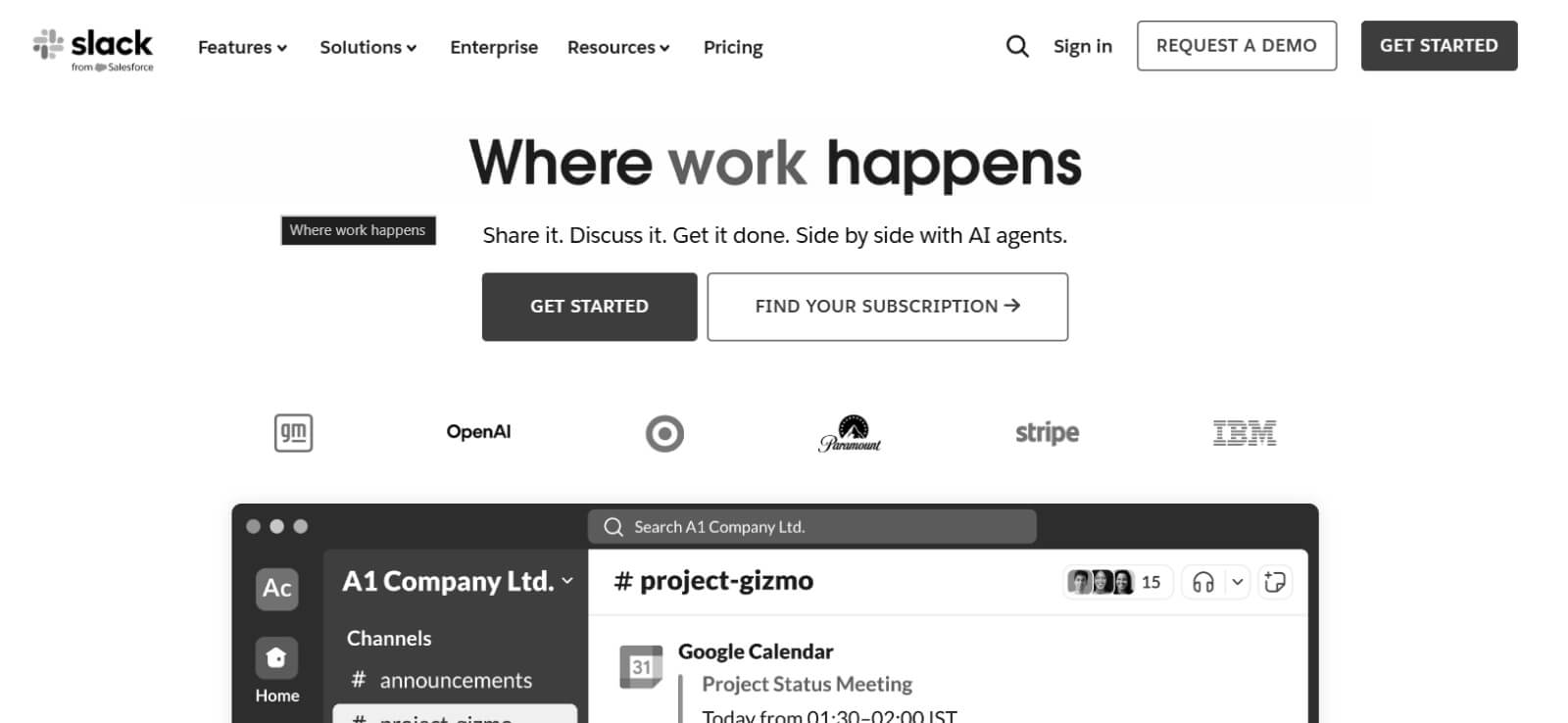
Slack is an enterprise communication platform widely used for messaging and collaboration. It is often positioned as an integration layer for employee engagement tools.
Key Takeaways
- Pricing: Talk to sales
- G2 Rating: 4.5/5
- Capterra Rating: 4.7/5
- Cons: Notifications may feel overwhelming.
- Why we picked: Broad integration ecosystem.
16. Microsoft Teams
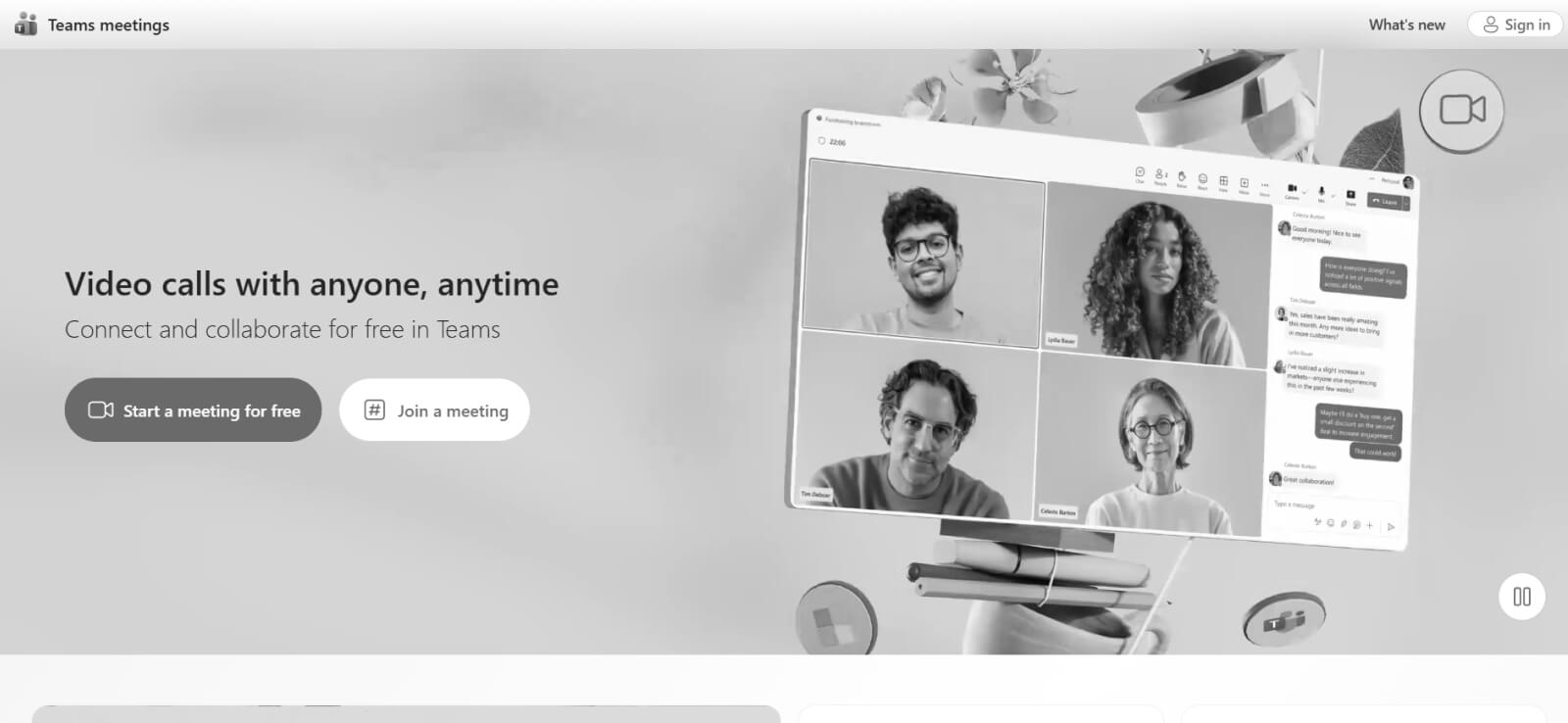
Microsoft Teams is a collaboration platform that combines chat, meetings, and file sharing. It is commonly used as a central workspace in enterprise environments.
Key Takeaways
- Pricing: $4.80 per user monthly
- G2 Rating: 4.4/5
- Capterra Rating: 4.5/5
- Cons: Resource usage may feel high.
- Why we picked: Centralized enterprise collaboration.
17. Beekeeper
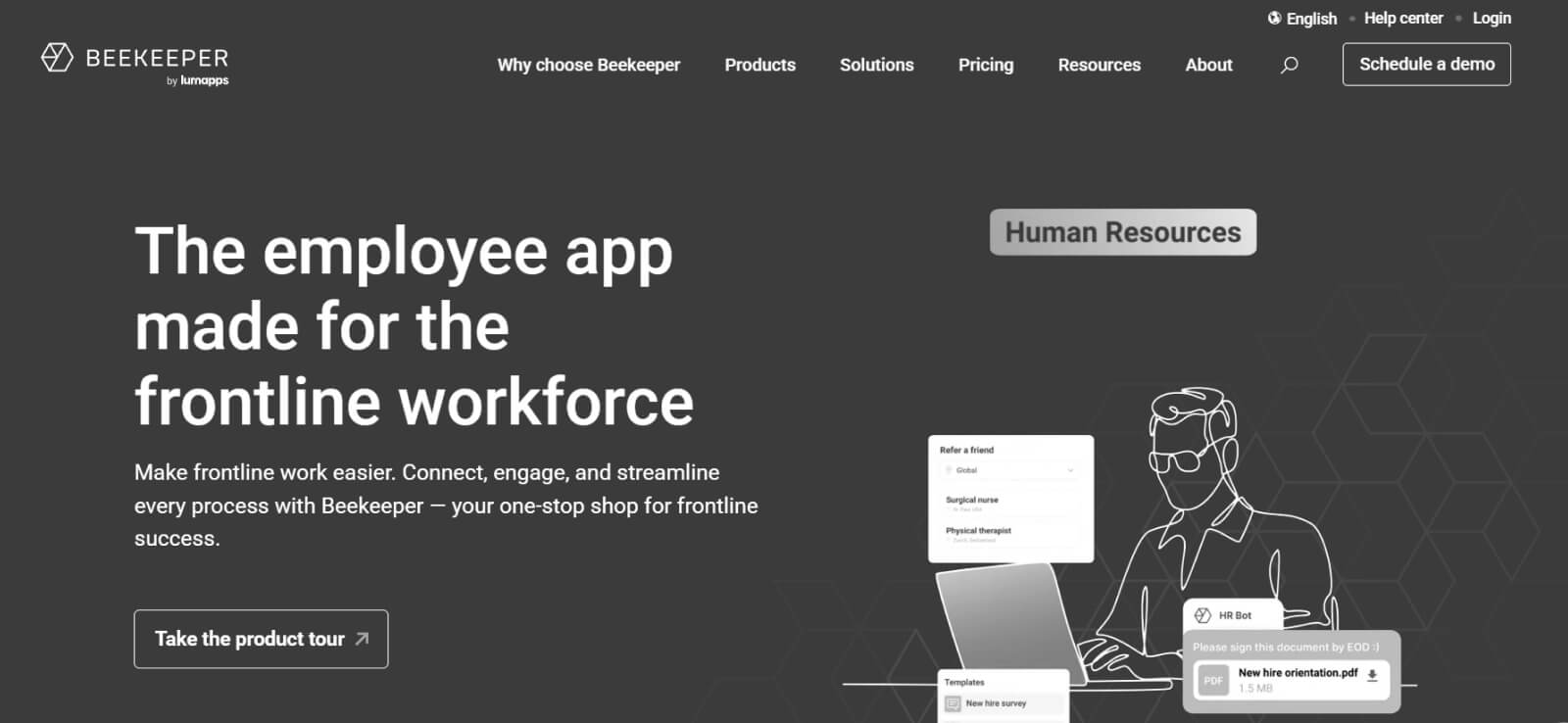
Beekeeper is a frontline communication platform designed for non-desk and distributed workforces. It is often used to reach employees without regular email or desktop access.
Key Takeaways
- Pricing: Talk to sales
- G2 Rating: 4.7/5
- Capterra Rating: 4.6/5
- Cons: Pricing may feel on the higher side.
- Why we picked: Frontline-first communication support.
How are employee engagement platforms used in large organizations?
Leaders use enterprise employee tools to move from collecting feedback to driving action. It helps leadership teams understand workforce trends and respond with structured, measurable action. Key ways these platforms are used include:
- Measuring and analyzing sentiment: Enterprise employee tools capture structured feedback across departments and analyze employee feedback trends by role, team, and location to guide leadership decisions.
- Driving recognition and culture: Employee engagement tools support measuring engagement, peer recognition and value-based programs. This reinforces engagement initiatives and company culture consistently across large, distributed enterprise workforces to foster a positive workplace culture.
- Improving internal communication: Enterprise-ready employee engagement platforms integrate with communication systems to share updates and gather feedback efficiently across multiple teams and regions.
- Supporting performance and growth: Employee engagement software for enterprises connects feedback and employee insights with manager check-ins, goal tracking, and development discussions to support structured performance management of engaged employees.
- Enhancing inclusion and well-being: Employee feedback softwares enable confidential input across diverse and engaged employees groups. Enterprise employee engagement tools help monitor inclusion and well-being trends through segmented reporting.
What features matter most in enterprise employee engagement platforms?
When evaluating best enterprise employee engagement softwares, large organizations focus on features that support scale, structure, and accountability. The best employee engagement platforms for enterprises are selected based on how effectively they turn feedback into measurable action.
The best employee engagement features that matter the most in enterprise employee engagement platforms are:
- Organizational visibility across teams and regions: Employee engagement software should provide segmented insights across roles, departments, and locations to reduce engagement blind spots.
- Clear feedback-to-action accountability: The best employee engagement platforms for enterprises connect insights to manager-level ownership, ensuring feedback translates into measurable change.
- Security and confidentiality at enterprise scale: Employee engagement survey providers must include role-based access controls and response protections that meet enterprise governance standards.
- Scalable architecture for complex structures: Enterprise employee engagement software must support multiple business units, layered reporting, and distributed workforces.
- System integration with enterprise workflows: Enterprise survey tools and engagement platforms should integrate with HRIS and collaboration systems to maintain data consistency and operational alignment.
How to choose the right employee engagement platform for your enterprise?
Choosing from the best employee engagement platforms for enterprises requires internal alignment before vendor comparison. Your choice of enterprise employee engagement software should fit your operating model, not disrupt it.
The key evaluation criteria to choose the right employee engagement platform for your enterprise include:
- Establish executive sponsorship early: Employee engagement software adoption fails without visible leadership ownership and accountability.
- Define rollout scope before vendor selection: Decide whether implementation will be phased, regional, or enterprise-wide.
- Align stakeholders across HR, IT, and operations: Enterprise survey tools impact governance, data security, and system integrations.
- Pilot before full-scale deployment: Test employee engagement survey providers with a controlled group before expansion.
- Evaluate change management readiness: Assess communication plans, manager training, and feedback follow-through structures.
- Plan for long-term adoption: Enterprise employee engagement software requires sustained participation to deliver measurable impact.
How does CultureMonkey support enterprise employee engagement?
CultureMonkey focuses on structured listening and actionable insights for large organizations. It is positioned among employee engagement survey providers that support complex reporting, confidentiality, and leadership follow-through.
- Protect employee confidentiality with certified controls: The platform supports ISO 27001 and SOC 2 Type II certified security practices, role-based access controls, and enforced anonymity safeguards to maintain trust in enterprise environments.
- Scalability across organizations: CultureMonkey supports multi-channel survey distribution, multilingual participation and governance-ready controls suited for large, distributed workforces.
- Identify engagement gaps: CultureMonkey enables role, team, and location-based segmentation, helping leaders move beyond company-wide averages and pinpoint specific risk areas.
- Turn feedback into structured action: Manager-level dashboards connect engagement insights with guided follow-up workflows, reducing the gap between survey results and operational change.
- Track engagement trends consistently: Standardized scoring and continuous listening cycles allow enterprises to compare engagement data across business units and industry benchmarks.
Conclusion
Choosing from the best employee engagement platforms for enterprises requires clarity on structure, scale, and follow-through. The right enterprise employee engagement software should support segmented reporting, secure feedback collection, and consistent action across departments and regions.
As you review employee engagement survey vendors, prioritize platforms that turn feedback into measurable signals and manager-level accountability.
CultureMonkey supports this by enabling role and location-based analysis, structured trend tracking, and confidentiality safeguards that help enterprises translate engagement data into operational decisions.
Book a demo with CultureMonkey.
FAQs
1. What are the top employee engagement platforms for enterprises?
The best employee engagement platforms for enterprises include solutions that offer structured analytics, segmentation, secure feedback collection, and integration with HR systems. Enterprise employee engagement software is designed to support complex reporting and decision-making across large organizations.
2. How do enterprise employee engagement platforms differ from SMB tools?
Enterprise employee engagement software supports layered reporting, role-based access, and integration with enterprise systems. Unlike smaller tools, enterprise survey tools are built to handle larger workforces, stricter security requirements, and structured action workflows.
3. What features should enterprises look for in an engagement platform?
When reviewing enterprise survey tools, organizations should prioritize segmentation, track employee feedback, manager action workflows, security controls, and integration readiness. The best enterprise employee engagement software connects feedback insights to measurable operational decisions.
4. Are employee engagement platforms secure for large organizations?
Enterprise employee engagement software typically includes role-based access controls, response confidentiality safeguards, and compliance-ready reporting. Reputable employee engagement survey providers support data protection standards required by large organizations.
5. How do enterprises measure ROI from employee engagement platforms?
Enterprises measure ROI of their employee engagement platforms by tracking engagement score trends, participation rates, turnover changes, and manager follow-through. It also supports benchmarking engagement improvements against performance management and retention indicators.
6. Which employee engagement platform is best for large enterprises?
The best employee engagement platforms for enterprises depend on organizational needs. Culture Amp is often chosen for benchmarking depth, while CultureMonkey is chosen for segmented analytics and structured action tracking as an enterprise employee engagement software. Lattice works well for engagement tied to performance management systems.
7. Are there free enterprise employee engagement software options?
Some tools, such as Slack, SurveyMonkey, Bitrix24, or Connecteam, offer free plans. However, these versions typically limit users, analytics depth, integrations, or administrative controls. Enterprise employee engagement software usually requires paid plans to support segmentation, reporting, and governance needs.
8. Are enterprise employee engagement platforms cloud-based or on-premise?
Most modern enterprise survey tools are cloud-based to support scalability and centralized reporting. Some employee engagement survey providers may offer hybrid or custom deployment models depending on enterprise security policies.