

CultureClub X · S03 E03
Managing Gen Z Expectations at Work
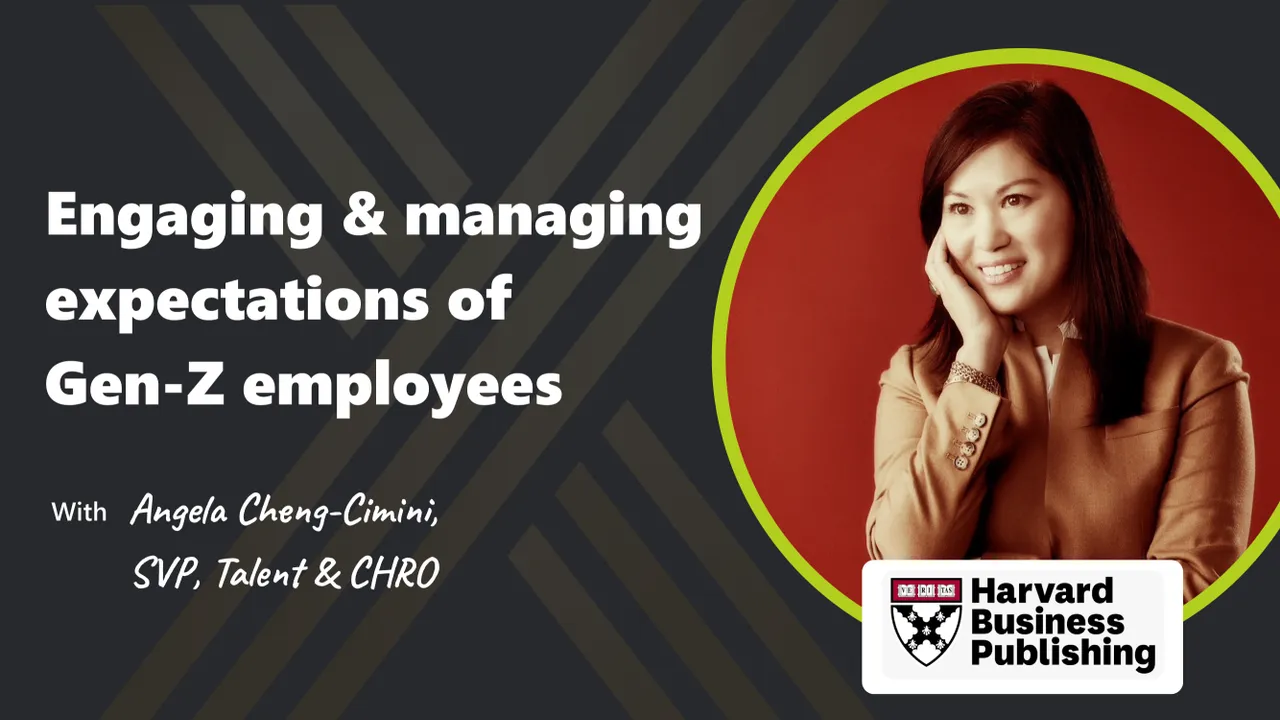
Angela Cheng-Cimini discusses how to bridge Gen-Z’s expectations with organizational culture, emphasizing professional growth, mental health, transparency, and the pivotal role of mid-level managers in building thriving workplaces.
TL;DR
What you need to know from this episode
- Gen Z evaluates your growth story before they accept the job. Candidates ask about their two to three year career path in second and third interviews, so employers need a concrete, forward looking answer about how they invest in talent, not just the role on offer today.
- Purpose and mental health are deciding factors, not perks. This generation will take a pay cut for meaningful impact and wants to know how an employer helps them bring their whole selves to work, especially after entering the workforce during real upheaval.
- Learning has to be snackable, asynchronous, and personalized. Two hour lectures do not hold attention. Cheng-Cimini's team converts training into short videos and apps so people can learn on their own time, because Gen Z is anything but one-size-fits-all.
- Take care of managers first so they can carry culture. When a program becomes an HR program it is destined to fail. Support mid-level managers, put their mask on first, and they become amplifiers of culture instead of overloaded messengers.
- Frequency of communication beats technology for engagement. The strongest lever is regular, accessible contact, at least weekly, through whatever channel fits, paired with instant feedback rather than a monthly review.
In the third episode of the season, host Nicole Patrick sits down with Angela Cheng-Cimini, SVP, Talent and CHRO at Harvard Business Publishing, to work through a question that has moved from theoretical to urgent for people leaders everywhere: how do you build a culture that Gen Z will actually stay for? With Generation Z already making up 24% of the global workforce, the answer shapes hiring, retention, and the day to day experience of work.
Cheng-Cimini brings more than 25 years of HR experience across consumer product goods, professional services, tech, and nonprofits, with earlier stops at large organizations like PepsiCo, Hasbro, and Nestle Waters. At Harvard Business Publishing, a mission driven nonprofit connected to Harvard Business School, she has a close view of how the newest generation evaluates employers, what motivates them to join, and what quietly pushes them out the door.
Her throughline across the conversation is refreshingly counterintuitive. Much of what Gen Z wants, she argues, is not unique to Gen Z at all. What has changed is that this generation is far more willing to ask for it out loud, and far quicker to leave when the answer is unsatisfying.
Why Gen Z interviews the employer before accepting a job
Cheng-Cimini says the shift starts before an offer is ever made. Candidates now arrive at second and third interviews asking what their career will look like in two or three years, and how the organization will help them get to the role they aspire to hold. The question is no longer only about the job on the table today.
That forces employers to articulate, concretely, how they invest in talent. At Harvard Business Publishing she describes a robust career model the team calls choose your own adventure, where skills can be applied on a different team or even in a different country. Organizations that cannot speak to that forward path, she suggests, will lose people who can.
Mental health and purpose are the new table stakes
Two forces sit alongside development, Cheng-Cimini argues. The first is mental health. This generation is entering the workforce during a period of real tumult, from the pandemic to war to hate crimes affecting marginalized communities, and they want to know what an employer is doing so they can bring their whole selves to work. Companies that ignore that, she says, miss out on what people can genuinely bring.
The second is purpose, or what she calls good with a capital G. Gen Z wants meaning, and many will accept less pay to work somewhere that has real impact rather than simply making widgets. She points to her own nonprofit, mission driven employer as an example of what motivates candidates in conversation, and as a signal of where loyalty now comes from. The final piece is transparency: the corner office can no longer hand down decisions without explanation, because this generation demands answers and expects to help iterate the thinking.
What modern learning and development looks like for Gen Z
On learning and development, Cheng-Cimini's guidance is to meet people where they are. Gen Z is digitally savvy but early in their careers and still building networks, so not everything can be remote or virtual. Isolation, she notes, hurt this cohort harder than older generations who already had support systems in place.
Practically, that means delivering training in many formats, much of it asynchronous and, in her word, snackable. A two hour lecture will not hold attention; a thirty minute session, a Slack message, an email, or a short video they can watch and even speed up will. The team is converting existing training content into smaller videos and apps so learning feels personalized rather than generic.
Gen Z is anything but one-size-fits-all. Highly personalized, high touch.
Are Gen Z's workplace needs actually universal?
Asked about her biggest learnings managing Gen Z in a hybrid setup, Cheng-Cimini pushes back on the premise. Scanning an organization that spans people fresh out of school to people near retirement, she concludes the needs are universal. People want agency over how, when, and how much they work, and they are not signing on for eighty hour weeks even when investment banks wave large sums at freshly minted MBAs.
They also want stability. Having seen what instability does to emotional health, this generation is less risk taking and wants to sign on somewhere that will be there for a while. And they want democratic access to information, because nobody wants the FOMO of sensing something is happening in the office while they work three hundred miles away. Meetings get recorded, decisions get posted, and information lives somewhere findable. Done well, Cheng-Cimini notes, this serves every audience an organization employs, which is why a strong employee feedback loop matters across generations, not just for the youngest.
How managers become amplifiers instead of HR custodians
On decentralizing culture from HR to managers, Cheng-Cimini feels the point deeply as an HR leader herself. Mid-level managers absorb the brunt of top down execution while acting as the buffer for the frontline teams they lead, and they are too often asked to deliver on culture without being supported themselves.
Whenever a program becomes an HR program, it's almost destined for failure.
Her fix is to take care of managers first. Once they feel heard and are equipped to juggle competing demands, they become multipliers and amplifiers of culture. She reaches for the airplane analogy: put your own mask on before helping others. Because Gen Z is more vocal, it will ask managers for more feedback, more access, and clearer reasons why, so managers need to be resourced to answer.
Does technology keep Gen Z engaged, or does frequency?
When the conversation turns to tech, Cheng-Cimini resists the easy answer. Technology is not the only solution, she says. The primary way managers keep Gen Z engaged is frequency of communication, then choosing the right method, whether that is Slack, an asynchronous email, or a live call.
You can't only touch base once a month.
She makes herself accessible by design: an open calendar, a Slack that is always on, a phone people can text. That accessibility doubles as a check on FOMO and a small, regular act of care for mental health. On video especially, she watches for cues, a quieter participant, a wrinkled eyebrow, and follows up. Gen Z craves instant feedback the way their social lives run on likes and reshares, and hearing it a month later in a performance review lands too late.
Why continuous listening is how you keep Gen Z
The common thread across every answer is listening: to career aspirations at the interview stage, to mental health signals on a video call, to managers who feel overloaded, and to a generation that expects to be heard rather than managed at. That is precisely the discipline an employee listening platform is built to support, turning frequent, low friction check-ins into signals leaders can act on.
For people leaders, the practical takeaway is that engaging Gen Z is less about buying new technology and more about closing the gap between what employees feel and what leaders hear. Continuous pulse surveys and steady two way communication let organizations catch disengagement early, support managers before they burn out, and prove to a vocal generation that their voice actually changes something. As Cheng-Cimini frames it, the organizations that do this well end up appealing to every audience they employ, not just the youngest one.
About the guest
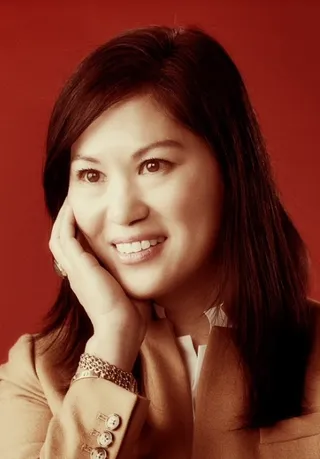
Angela Cheng-Cimini
SVP, Talent & CHRO, Harvard Business Publishing
Angela Cheng-Cimini is SVP, Talent and CHRO at Harvard Business Publishing, a mission driven nonprofit connected to Harvard Business School. She brings more than 25 years of HR experience as both a generalist and specialist, having worked across consumer product goods, professional services, tech, and nonprofit sectors. Earlier in her career she worked with large scale organizations including PepsiCo, Hasbro, and Nestle Waters.
She has guided businesses through startup, growth, and maturity phases. An alumna of Cornell University, she is also a certified Forbes HR Council member.
Full episode transcript
Season 03, Episode 03 · Angela Cheng-Cimini with Nicole Patrick · 18 min
Frequently asked questions
What policy shifts help company culture accommodate Gen Z employees?
Angela Cheng-Cimini points to four priorities: a clear focus on professional development that is visible even at the interview stage, genuine attention to mental health, a sense of purpose or good with a capital G, and transparency in how decisions are made and explained.
The underlying shift is that Gen Z expects to understand the why behind decisions and to see a forward path for their careers, and they will leave organizations that cannot engage in those conversations.
How should learning and development be modernized for Gen Z?
Meet learners where they are. Deliver training in many formats, make it asynchronous where possible, and keep it snackable and digestible rather than delivering two hour lectures. Shorter videos, apps, Slack, and email let people learn on their own time and even speed content up.
The bigger change is thinking much more about the learner and the audience, since attention spans are shorter and content choices competing for that attention are endless.
How can managers become amplifiers of culture rather than the sole HR custodians?
Support managers first. Mid-level managers absorb top down pressure while buffering their frontline teams, so they need to feel heard and equipped before they can carry culture. Once their basic needs are met, they become multipliers and amplifiers of what the organization is trying to accomplish.
Cheng-Cimini warns that when culture is left to HR alone it becomes an HR program, which is almost destined for failure.
Is technology the best way to keep Gen Z engaged?
Not on its own. Cheng-Cimini argues the primary driver is frequency of communication, then choosing the right method, whether Slack, email, or a live call. Gen Z wants to touch base roughly weekly and to be able to reach their manager quickly.
Accessibility and regular check-ins also address FOMO and support mental health, while instant feedback matters far more than comments saved for a monthly performance review.
Are Gen Z's workplace needs really different from other generations?
Cheng-Cimini believes the needs are largely universal. Across an organization spanning new graduates to people near retirement, employees want agency over how and when they work, stability, and democratic access to information.
What sets Gen Z apart is how vocal they are in asking for these things, which is why organizations that meet them well end up appealing to every audience they employ.
Never miss an episode
New conversations with people leaders, plus the takeaways that matter, on your LinkedIn feed as soon as they drop.
Free on LinkedIn. Unsubscribe anytime.