

Future of work
The way we work is being rewritten, from hybrid models to a five-generation workforce. These conversations cover flexibility, Gen Z expectations, and building a culture that holds across distance and difference.
All episodes and topicsWhat these leaders agree on
The most actionable agreement on this hub is a design principle: build for the person furthest from the room and the rest resolves itself. Allison Sproul argues leaders should stop asking how to solve for hybrid and simply optimize for remote employees. Karin Hurt reaches the same place from facilitation experience, telling leaders to design every meeting for the person on the screen and to put themselves on camera to feel the difference. Michele Lau-Torres extends it furthest, starting engagement strategy with the employee who has no computer, no desk and no survey link.
Second, flexibility has stopped being a differentiator. Sproul's formulation is that flexibility gets attention while culture wins the offer, on the grounds that flexible PTO and inclusive parental leave are spreading too fast to distinguish anyone. Diane Sanford adds that you cannot policy your way to flexibility, because it has to be a shared mindset rather than a document HR writes alone.
Third, culture stops happening by default once people are distributed. Hurt argues the pandemic forced leaders to make deliberate what an office used to supply for free, and recommends reserving in-person time for the work that genuinely benefits from proximity: ideation, planning and connection. Sanford makes the same point about atmosphere and belonging needing to be rebuilt on purpose.
Fourth, learning has to fit how people now consume information. Angela Cheng-Cimini reports that two hour lectures do not hold attention and converts training into short, asynchronous, personalized formats. Sanford independently describes modern learning as short, high-impact and on-demand.
Where they disagree
Whether generational framing is useful at all is contested here. Cheng-Cimini and Diane Smith build specific playbooks around Gen Z expectations, from evaluating the growth story in second and third interviews to reading hiring speed as the first culture signal. Donna M. Brown pushes back directly, arguing flexibility and autonomy are universal rather than generational, and that remote work simply proved productivity rises when people are trusted. Steve Cadigan reframes the question again, treating the shift as tenure economics rather than a change in what any generation wants.
The practical stakes are real. If the difference is generational, you segment your employee experience by cohort. If it is universal, cohort-based design is an expensive way to rediscover that most people want autonomy and a reason to stay.
11 episodes on Future of work
 S07 E02Jennifer McClureHR as Chief Disruption Officer: Why Supporting the Business Is a Ceiling, with Jennifer McClureCulture Litmus continues with the gap inside HR itself. Jennifer McClure, who founded DisruptHR after years of running HR inside companies, argues that the influence is already in the job and most people are waiting to be handed it. Including the cost-cutting list she argued down from 43 jobs to thirteen, and the call two months later asking for those thirteen people back.
 S07 E01Gethin NadinWhy is employee wellbeing spending not paying off? | Gethin Nadin, BenifexBecause it treats the symptoms of poor work instead of the causes, says Gethin Nadin, Chief Advisory Officer at Benifex. Support is layered on top of the workloads, managers and job design doing the harm, and scattered platforms mean employees cannot find it. The strongest drivers of wellbeing are job design, workload, autonomy, recognition and leadership.
 S06 E18Steve CadiganShould HR use AI to cut jobs or make people more valuable? | Steve Cadigan, LinkedIn's first CHROMake people more valuable, says Steve Cadigan, LinkedIn's first CHRO. Using AI to cut headcount saves money now but does not explain how the business grows next, and it pushes everyone into career defense. The better use frees capacity and points people at new markets, new skills and better customer experiences.
 S04 E03Donna M. BrownBuilding Adaptive Cultures for Gen Z EmployeesIn this episode of CultureClub X, Donna M. Brown shares actionable insights on building adaptive, people-focused cultures for Gen Z, emphasizing flexibility, wellness, DEI, and tech-driven engagement strategies that empower employees, foster belonging, and drive lasting workplace impact.
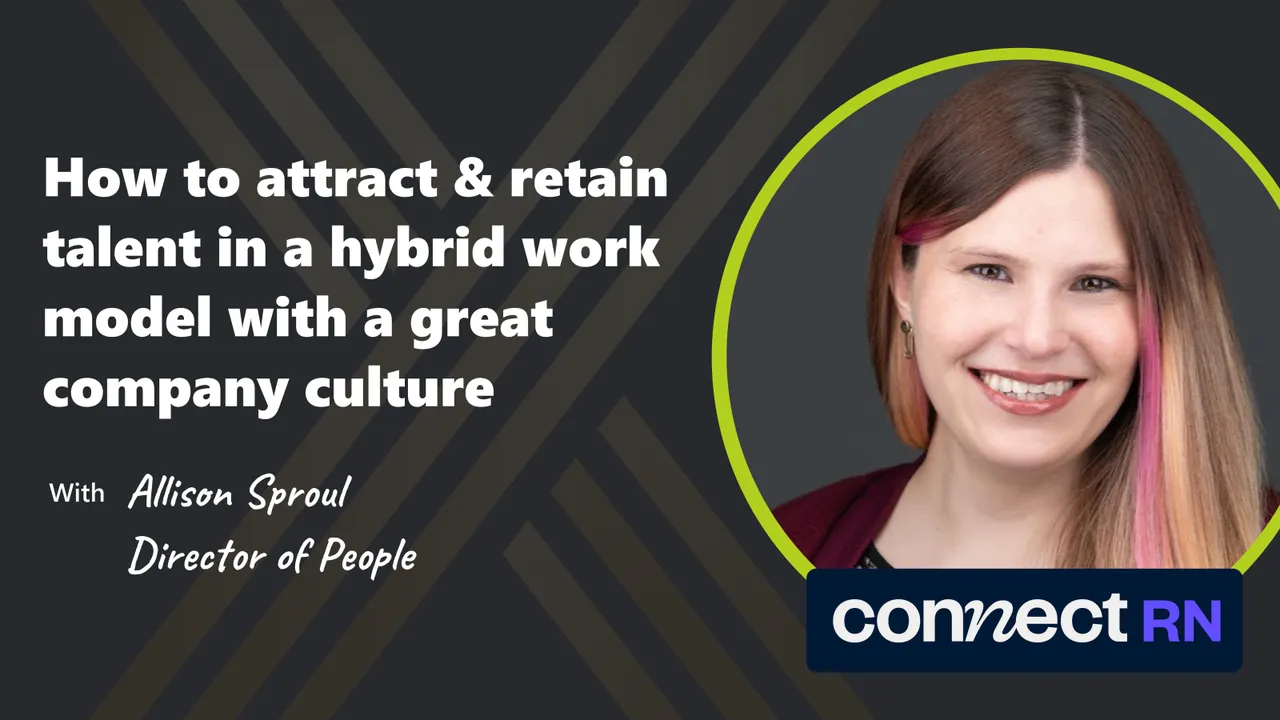 S03 E13Allison SproulAttracting Talent With Culture in Hybrid WorkAllison Sproul discusses how a strong, inclusive company culture differentiates organizations in hybrid work, through flexible policies, real-time communication, manager enablement, and creating belonging for all employees.
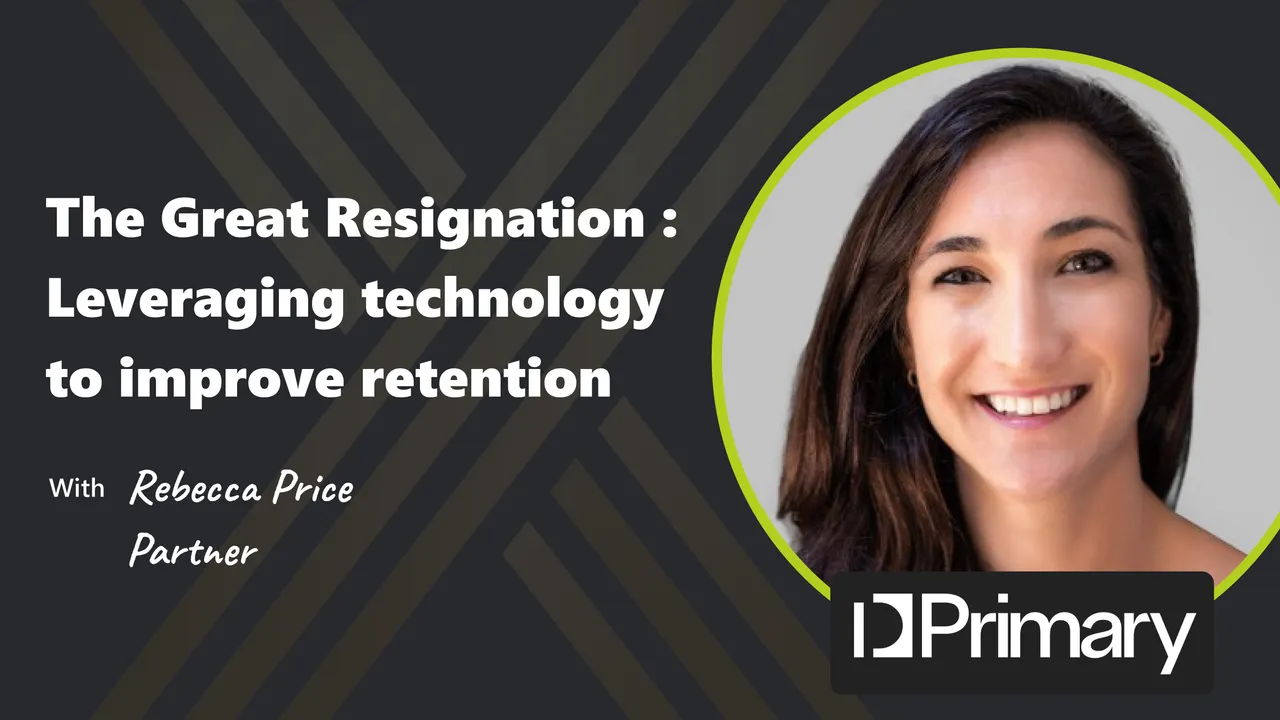 S03 E12Rebecca PriceUsing Technology to Improve Employee RetentionFrom purpose-driven work to flexible environments, Rebecca Price explains how technology empowers managers and connects employees, helping organizations retain top talent and navigate the challenges of the post-pandemic workforce.
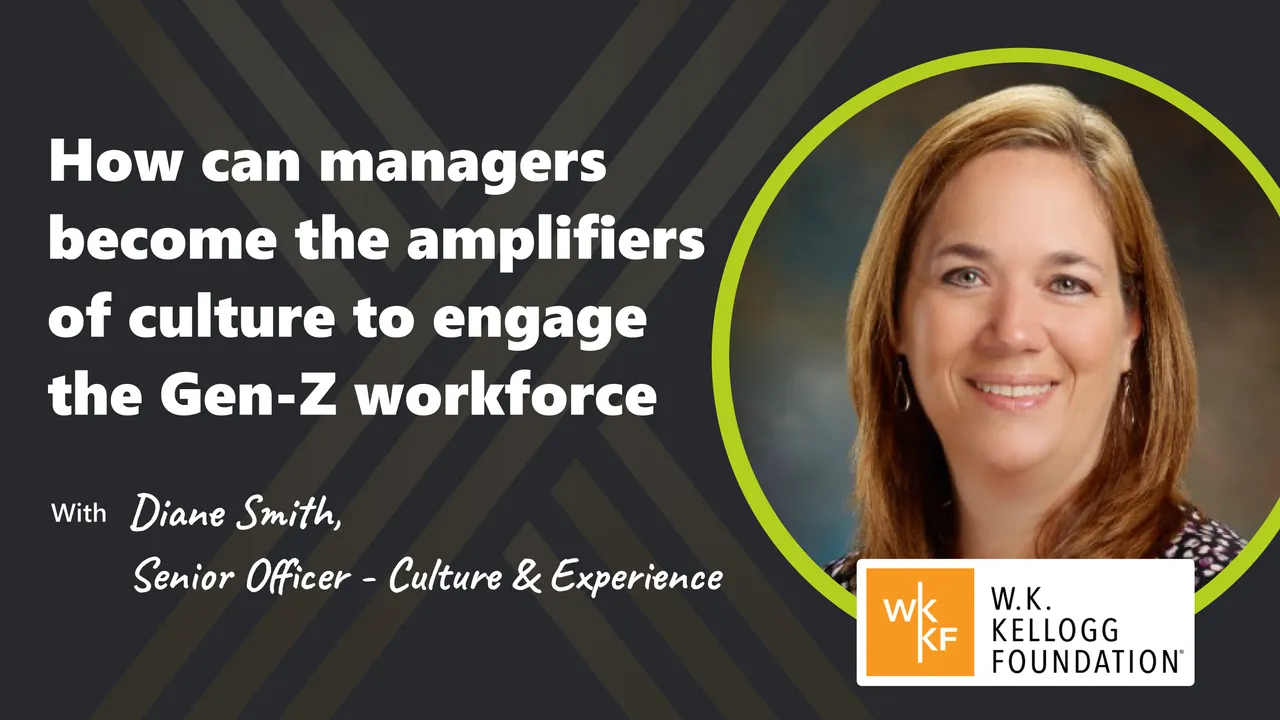 S03 E10Diane SmithManagers as Amplifiers of Culture for Gen ZDiane Smith shares how Gen-Z thrives when managers drive culture, through diversity, on-demand learning, coaching, and balance, positioning leaders as key amplifiers of engagement and long-term talent retention.
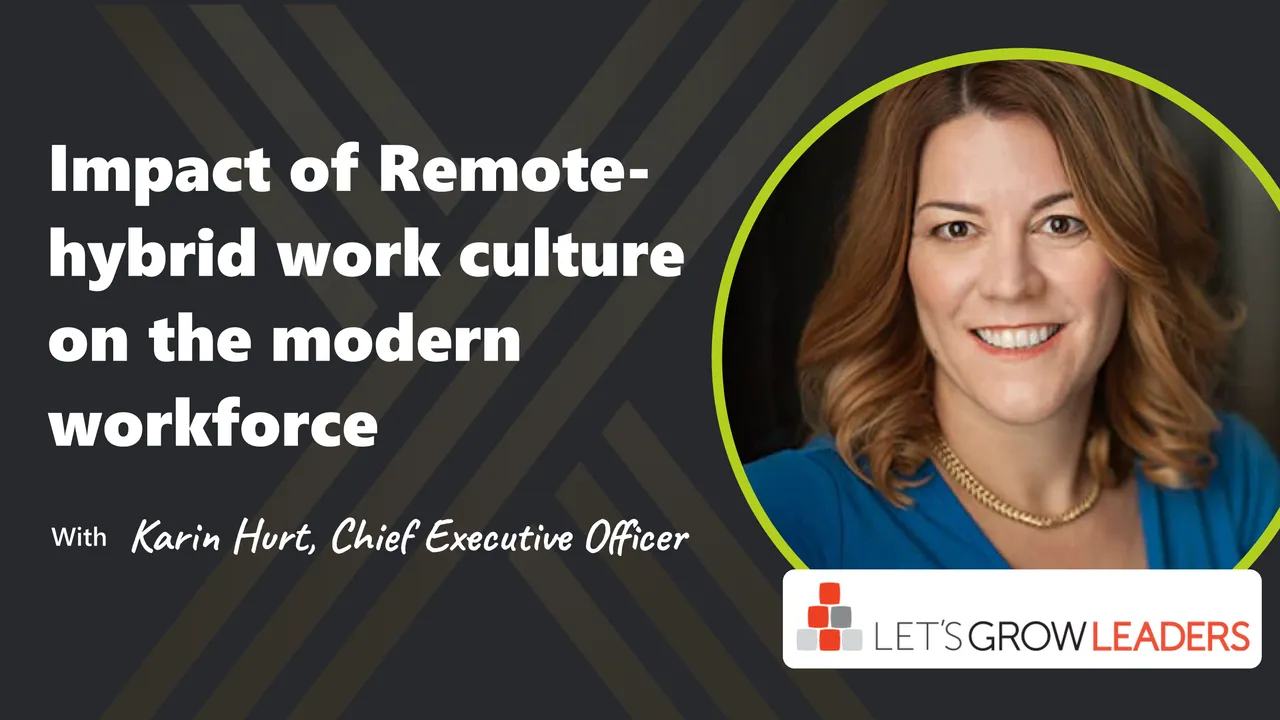 S03 E08Karin HurtWhat Hybrid Work Does to Company CultureFrom reinventing culture to ensuring equal voices, Karin Hurt discusses how hybrid work requires empathetic leadership, safe feedback spaces, and clarity-driven flexibility to strengthen trust and productivity.
 S03 E07Diane SanfordBalancing Productivity and Flexibility in Hybrid WorkDiane Sanford shares how organizations can thrive in hybrid setups by empowering employees with flexibility, customizing development, fostering cross-team dialogue, and anchoring culture in clarity and genuine connection.
 S03 E06Barbie WinterbottomFlexibility, Autonomy, and the Fight Against AttritionIn this episode, Barbie Winterbottom shares how leaders can combat attrition by building safe feedback spaces, valuing transparency, and empowering managers, showing why flexibility and autonomy matter more than rigid policies.
 S03 E03Angela Cheng-CiminiManaging Gen Z Expectations at WorkAngela Cheng-Cimini discusses how to bridge Gen-Z’s expectations with organizational culture, emphasizing professional growth, mental health, transparency, and the pivotal role of mid-level managers in building thriving workplaces.
Put Future of work into practice
See how CultureMonkey helps people leaders act on this, or explore the deep dive on Future of work.
Never miss an episode
Every new episode, plus the takeaways that matter, posted on the CultureMonkey LinkedIn page as soon as they drop.
Free on LinkedIn. Unfollow anytime.