

Buyer's Guide Β· Updated June 2026

Best Employee Climate Survey Tools & Software for 2026

A criteria-based buyer's guide to the platforms that surface real culture signals, not just sentiment scores. Grounded in 10M+ survey responses and scored against 7 evaluation criteria so you can pick the right tool for your workforce.

Written by
Santhosh, Sr. Content Strategist at CultureMonkey
Writes about how companies actually listen to employees: survey design, feedback loops, and where most climate programs break down. 250+ articles on the topic.
4 years in HR tech
Data verified by
People Science Team
Research team analyzing climate signals across industries globally.
10M+ data points
Updated
12 min read
Verified June 2026
The Climate Tool Finder

Not sure which tool fits? Answer 5 questions.

Question 1 of 5
How many employees are you surveying?
Question 2 of 5
Which HR or workplace platform are you already on?
Question 3 of 5
Do you need to reach frontline or deskless workers?
Question 4 of 5
How important is anonymous climate measurement?
Question 5 of 5
What is your primary climate measurement goal?
Based on your answers, start with:
    Step 1 of 5
    What you need to know before scrolling
    • Climate surveys measure the work environment (trust, fairness, safety), not just employee engagement or satisfaction.
    • We scored every tool against 7 criteria in the Climate-Fit Scorecard: signal depth, anonymity, manager action workflows, integrations, benchmarking, analytics/AI, and security.
    • The right tool depends on your company size and workforce type. SMBs need simplicity; enterprises need data residency and SSO; frontline workforces need mobile-first delivery.
    • Participation rates are the leading indicator of tool-market fit. If fewer than 65% respond, the tool is wrong for your population. The right employee experience platform will consistently hit 70%+.
    • This guide does not rank CultureMonkey at position #1. Every tool is scored on the same criteria, with the same editorial standards.

    How we evaluated these tools

    No vendor paid for placement. No affiliate commissions influenced rankings. Here is exactly what we checked and what we did not.

    What we checked

    • Public documentation for security, privacy, and compliance claims
    • Customer reviews on G2, Capterra, and TrustRadius (minimum 25 reviews)
    • Integration partner pages and HRIS connector availability
    • Pricing transparency: published pricing or confirmed quotes

    What we did not do

    • Accept payment, sponsorship, or affiliate fees from any vendor
    • Use vendor-supplied demo environments with curated data
    • Rank tools based on relationship, partnership, or revenue share
    • Fabricate statistics, benchmark data, or customer quotes
    • Include tools with fewer than 25 public reviews

    Find your fit: pick by company size and workforce type

    A 200-person startup and a 10,000-person manufacturer need fundamentally different climate tools. Select your segment to see what to prioritize and what to skip.

    01

    SMB (50 – 500)

    Small businesses need a climate tool that works out of the box. You do not have a dedicated People Analytics team, so the platform must do the heavy lifting: pre-built question banks mapped to culture drivers, automated scheduling, and results dashboards that HR generalists can interpret without training. Avoid platforms that require a 6-week implementation or charge per-module. Look for all-in-one pricing with survey + analytics + action planning included.

    Look for

    • Pre-built climate survey templates
    • Self-serve setup (under 2 weeks)
    • All-in-one pricing (no per-module fees)
    • Built-in action recommendations

    Avoid

    • Enterprise-only platforms with 6-week onboarding
    • Per-seat pricing that scales unpredictably
    • Tools that require a dedicated analyst to interpret results
    Dani Herrera, Award-Winning DEI Consultant
    Dani HerreraDEI Consultant, Trainer & SpeakerLinkedIn β†’
    "When we look at survey technology, we want to make sure it is fully customizable. Questions that make sense for the United States population might not make any sense for the population in Latin America or Europe."
    CultureClub X, S06 E05

    Climate survey vs engagement survey: why the right tool matters

    A climate survey assesses the organizational environment: trust, psychological safety, fairness, diversity, equity and inclusion, and the norms that shape how people experience work. An engagement survey measures how connected and motivated employees feel toward their role and organization.

    Climate is the soil; engagement is the crop. You can have high engagement in a toxic climate (burnout culture) and low engagement in a healthy climate (stagnation). Choosing the wrong tool category means measuring the wrong thing entirely.

    Climate surveyEngagement survey
    MeasuresWork environment: trust, fairness, safety, belongingEmployee response: motivation, commitment, effort
    AnswersWhy are people disengaged?How much discretionary effort do people give?
    Key metricsCulture driver scores, trust index, fairness gapseNPS, satisfaction index, intent to stay
    CadenceAnnually or semi-annuallyQuarterly or continuously
    Tool focusEnvironmental diagnostics, trust indices, safety climateCommitment scales, eNPS, manager effectiveness
    AnalogyThe soilThe crop

    If your goal is to understand why people are disengaged, start with climate. See the engagement tools guide β†’

    The Climate-Fit Scorecard: 7 criteria for choosing a tool

    What to look for and the vendor question that separates strong platforms from weak ones. Start with the right employee survey questions, then evaluate how each platform handles them.

    01
    Signal Depth

    Surface-level sentiment scores tell you employees are unhappy. Culture signal depth tells you why: is it trust erosion, fairness gaps, or communication breakdown? The best climate tools decompose responses into named culture drivers, not just a single eNPS number. Look for platforms that map results to at least 8 distinct dimensions (trust, safety, equity, belonging, communication, leadership, growth, recognition) and show driver-level trends over time.

    Ask: Does the platform break results into named culture drivers, or just aggregate scores?
    02
    Anonymity & Confidentiality

    Participation rates collapse when employees doubt anonymity. Strong climate tools enforce minimum response thresholds (typically 5+ per group), strip demographic identifiers from open-text responses, and provide a visible confidentiality architecture employees can inspect. Ask vendors: what is the minimum group size before data rolls up? Can managers see verbatim comments with fewer than N respondents? The answer should be no.

    Ask: What is the minimum response threshold before results are shown to managers?
    03
    Manager Action Workflows

    A dashboard nobody acts on is a cost center, not a culture tool. Evaluate whether the platform pushes actionable nudges to managers after results land: recommended next steps, pre-built action plans, and follow-up pulse checks to close the loop. The gap between insight and action is where most climate programs fail. Tools that auto-generate manager briefs and track action completion rates outperform those that stop at the report.

    Ask: Does the platform generate manager-level action plans, or just reports?
    04
    Integration Ecosystem

    A climate survey platform that cannot pull employee data from your HRIS (Workday, SAP SuccessFactors, BambooHR, Darwinbox) creates a manual upload burden that kills adoption at scale. Check for native connectors, not just CSV import. Slack and Teams integrations for survey delivery push participation rates 15-25% higher than email-only distribution. SSO (SAML/OIDC) is non-negotiable for enterprise.

    Ask: Does the platform offer native HRIS connectors, or only CSV import?
    05
    Benchmarking Depth

    Your climate scores are meaningless without context. A 72% trust score is excellent in manufacturing and mediocre in tech. The best platforms benchmark against industry, company size, and geography, not just a single global average. Ask how many organizations and responses feed the benchmark dataset, and whether it refreshes quarterly or annually. Stale benchmarks from 2022 are not useful in 2026.

    Ask: How large is the benchmark dataset, and how frequently is it refreshed?
    06
    Analytics & AI

    Basic analytics show you what happened. Advanced analytics show you what will happen. Look for: sentiment analysis on open-text responses, automatic theme extraction, trend detection across survey cycles, and predictive attrition flags. AI that highlights statistically significant changes (not just any movement) prevents false alarms. Heat maps that surface pockets of concern by department, location, or tenure are table stakes.

    Ask: Does the platform flag statistically significant changes, or just any score movement?
    07
    Security & Compliance

    Climate survey data is sensitive employee opinion data. At minimum, require SOC 2 Type II certification, GDPR compliance with EU data residency options, and encryption at rest and in transit. For regulated industries (healthcare, finance), ask about HIPAA BAA availability, data retention policies, and whether the vendor has completed third-party penetration testing in the last 12 months. A vendor that cannot produce these documents on request is a red flag.

    Ask: Can the vendor provide SOC 2 Type II and penetration test reports on request?
    CultureMonkey Benchmark Data

    Before you pick a tool, know where your industry stands.

    From CultureMonkey's dataset of 10M+ anonymized survey responses across 8 industries and 4 global regions (Jan 2024 to Mar 2026). The gap between the leading sector and the lowest is 0.81 points on a 5-point scale.

    Hospitality
    4.46
    Food & Bev
    4.33
    Finance
    4.10
    Technology
    3.98
    Manufacturing
    3.95
    Retail
    3.88
    Healthcare
    3.72
    Telecom
    3.65
    Median: 3.92 Β· 1,247 organizations Β· Full methodology at culturemonkey.io/people-scienceView full benchmark dataset β†’

    Employee climate survey tools compared

    All 9 tools scored against the same criteria. Pricing is listed as provided by vendors or confirmed through published sources. β€œCustom pricing” means the vendor does not publish a standard rate.

    #ToolBest for (climate use-case)G2PricingKey integrations
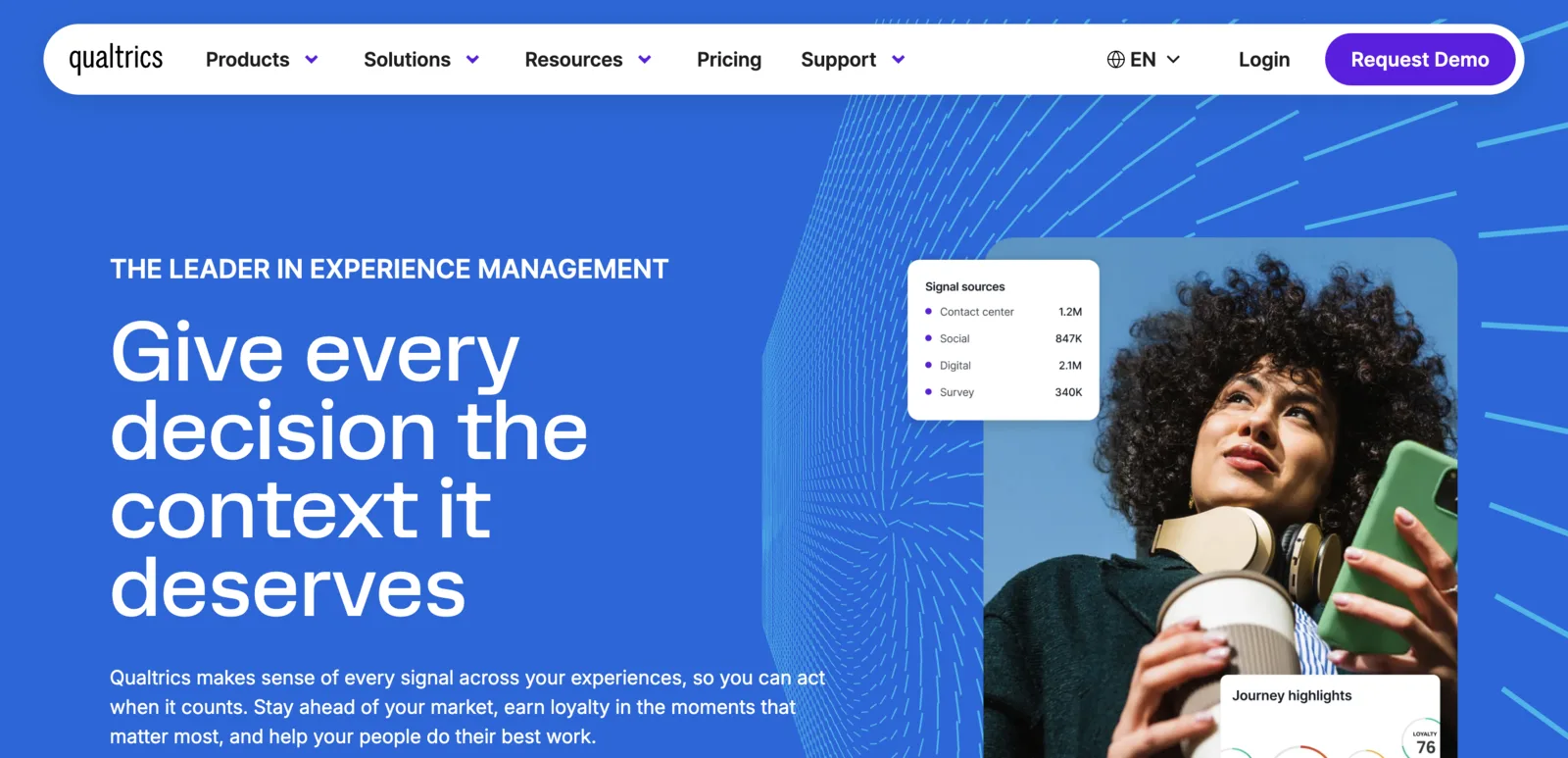
    01Qualtrics XMCustom psychological-safety indices4.4Custom pricingWorkday, SAP SuccessFactors, ServiceNow, Slack, SAML SSO
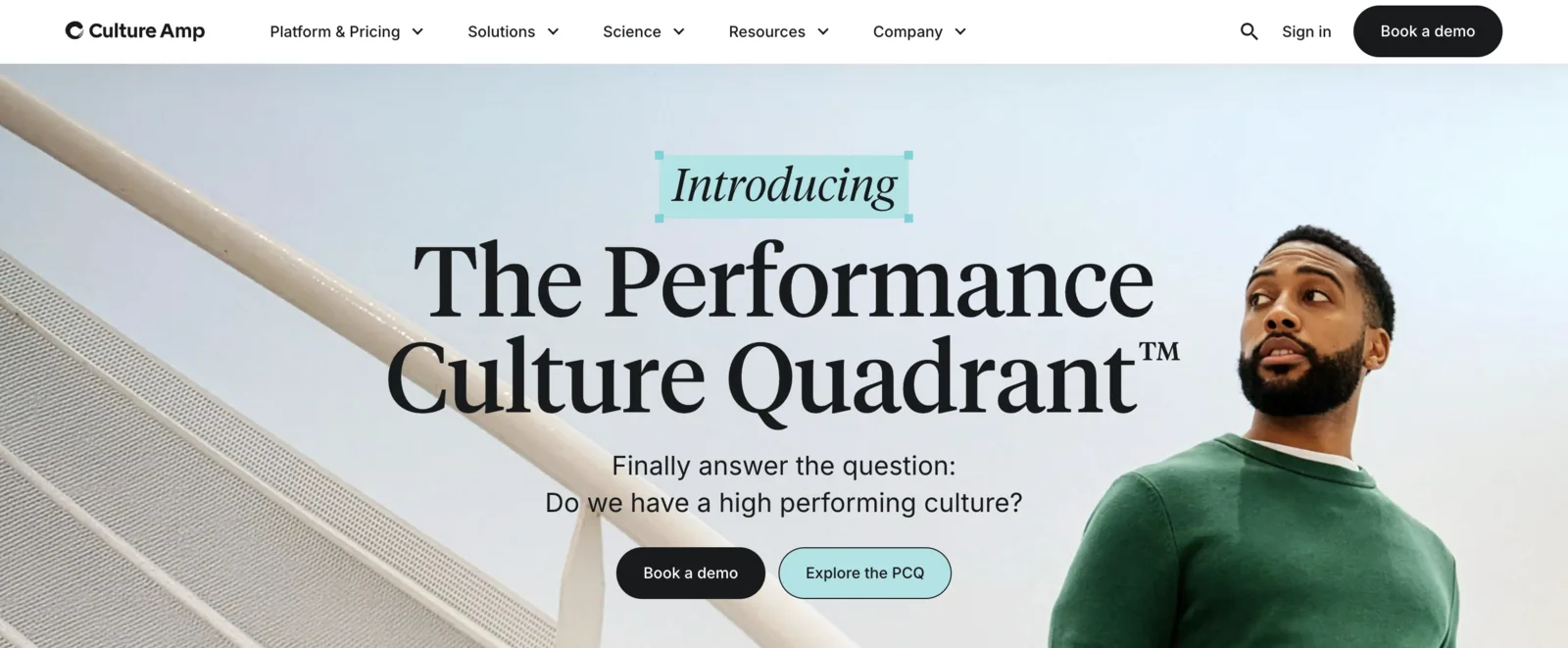
    02Culture AmpDEI and inclusion climate4.5Custom pricingWorkday, BambooHR, Slack, Teams, SAML SSO
    03CultureMonkeyFull-workforce climate reach4.7Custom pricingADP, Workday, BambooHR, Slack, Teams, WhatsApp
    04AlchemerCustom climate indices4.4Custom pricingSalesforce, HubSpot, Slack, Webhooks, REST API
    05QuestionProTemplate-based climate surveys on a budget4.5Custom pricingSalesforce, HubSpot, Slack, Teams, REST API
    06LeapsomeClimate-to-development workflows4.8Custom pricingBambooHR, Personio, Slack, Teams, HRIS API
    07EngagedlyClimate-performance link for mid-market4.3From $2/user/mo, billed annually (min $7,500/year)BambooHR, ADP, Slack, Teams, SAML SSO
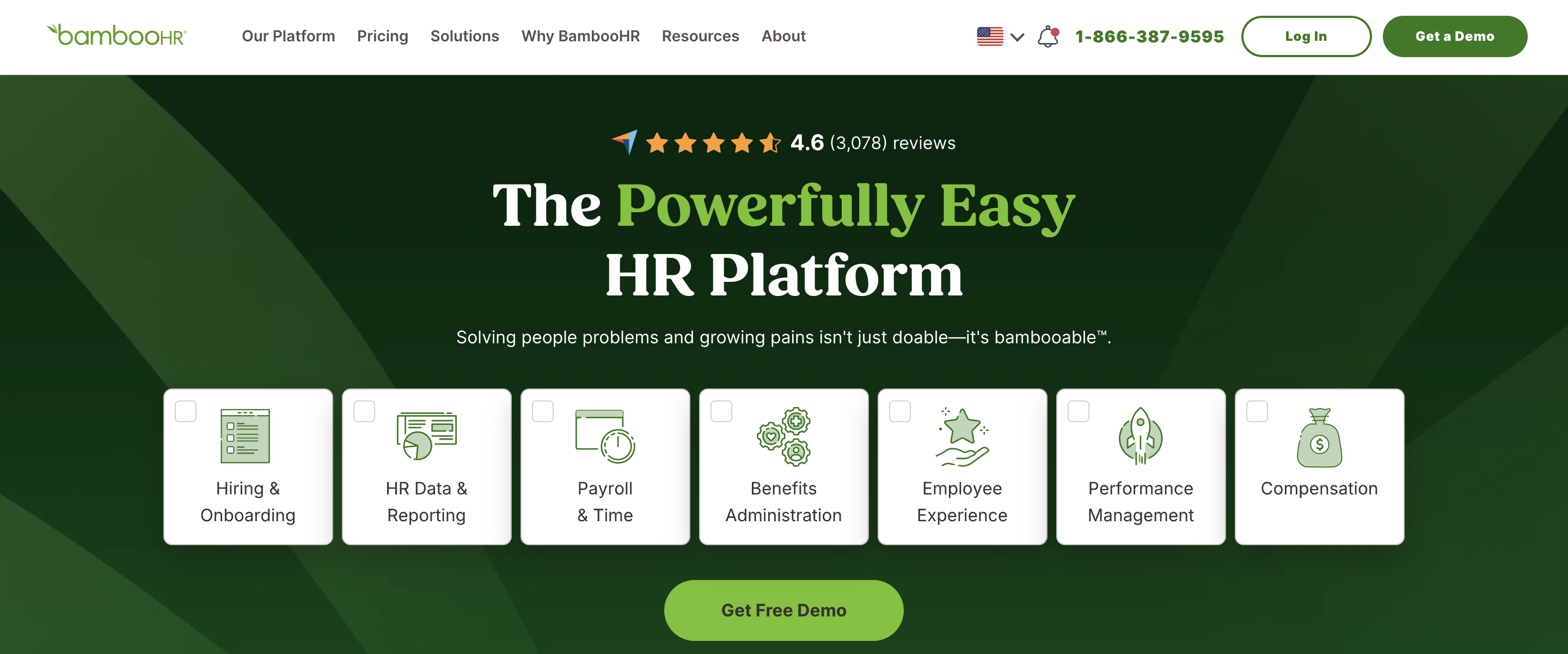
    08BambooHRSMB climate checks in-HRIS4.4Custom pricingNative HRIS (built-in), Slack, payroll connectors, API
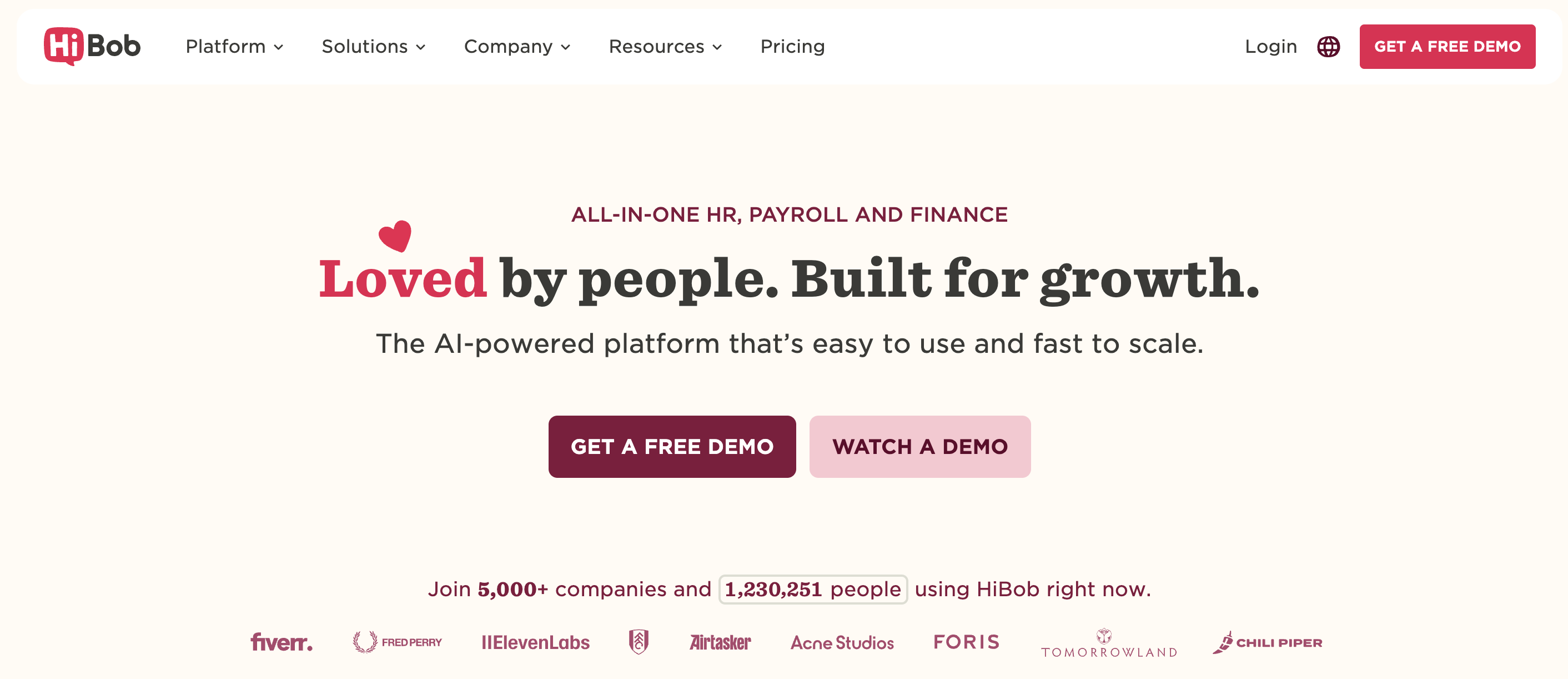
    09HiBobClimate contextualized by org data4.5Custom pricingSlack, Teams, payroll platforms, API
    01Qualtrics XMG2 4.4
    Best forCustom psychological-safety indices
    PricingCustom pricing
    IntegrationsWorkday, SAP SuccessFactors, ServiceNow, Slack, SAML SSO
    02Culture AmpG2 4.5
    Best forDEI and inclusion climate
    PricingCustom pricing
    IntegrationsWorkday, BambooHR, Slack, Teams, SAML SSO
    Best forFull-workforce climate reach
    PricingCustom pricing
    IntegrationsADP, Workday, BambooHR, Slack, Teams, WhatsApp
    04AlchemerG2 4.4
    Best forCustom climate indices
    PricingCustom pricing
    IntegrationsSalesforce, HubSpot, Slack, Webhooks, REST API
    05QuestionProG2 4.5
    Best forTemplate-based climate surveys on a budget
    PricingCustom pricing
    IntegrationsSalesforce, HubSpot, Slack, Teams, REST API
    06LeapsomeG2 4.8
    Best forClimate-to-development workflows
    PricingCustom pricing
    IntegrationsBambooHR, Personio, Slack, Teams, HRIS API
    07EngagedlyG2 4.3
    Best forClimate-performance link for mid-market
    PricingFrom $2/user/mo, billed annually (min $7,500/year)
    IntegrationsBambooHR, ADP, Slack, Teams, SAML SSO
    08BambooHRG2 4.4
    Best forSMB climate checks in-HRIS
    PricingCustom pricing
    IntegrationsNative HRIS (built-in), Slack, payroll connectors, API
    09HiBobG2 4.5
    Best forClimate contextualized by org data
    PricingCustom pricing
    IntegrationsSlack, Teams, payroll platforms, API
    Nadia Vatalidis, Head of People at Doist
    Nadia VatalidisHead of People, DoistLinkedIn β†’
    "Pulse surveys are still underutilized. People resent over-surveying, but when you're continuously trying to improve behavior and skills, it's probably one of the most useful tools to close the loop rapidly and pivot your training and leadership coaching."
    CultureClub X, S06 E03

    The 9 best employee climate survey tools reviewed

    Every tool below is reviewed through the climate lens: trust, psychological safety, belonging, fairness, and culture type. Structure is identical across all 9 so you can compare directly. Our evaluation is informed by people science research and workforce intelligence data.

    All pros and cons in this section are sourced from verified user reviews on G2.com, paraphrased for clarity and translated into the climate measurement context. G2 scores sourced June 2026.
    01

    Qualtrics XM

    Custom psychological-safety indices
    G2, 4.4, sourced June 2026Visit website β†’
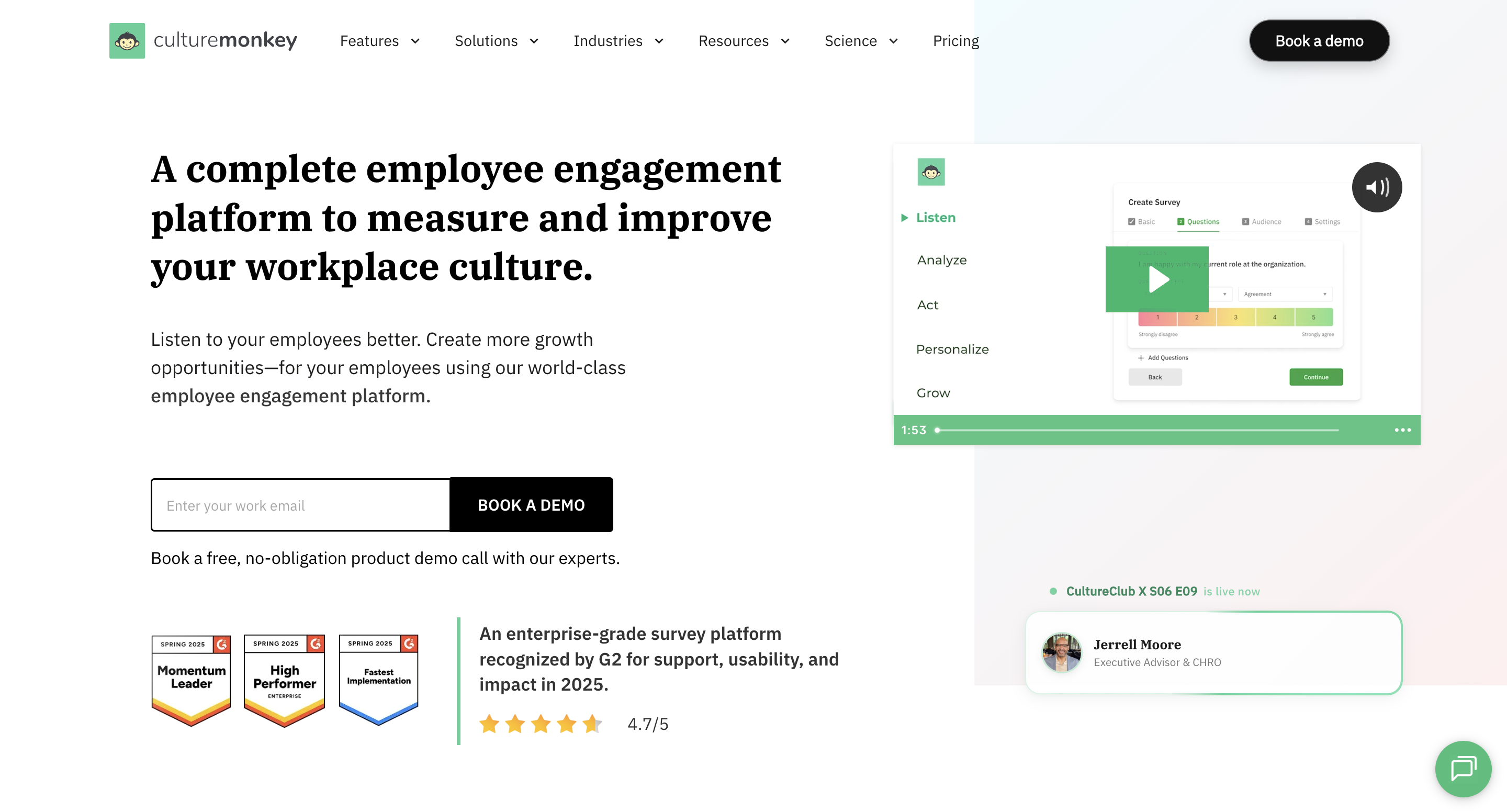
    Qualtrics XM dashboard screenshot

    πŸ“‘What it measures (climate angle)

    • Custom psychological safety indices, trust scales, and fairness perception instruments
    • Full statistical validation for climate constructs
    • Department-level dashboards comparing team climate against org baselines per dimension
    • Granular per-department survey customization while keeping core measurement consistent

    ✦What stands out

    • Exceptional dashboard customization depth for drilling into specific climate dimensions
    • Managers compare their team's climate scores against department and org-wide baselines
    • AI tools and reporting features provide statistical rigor for People Analytics teams
    • Highly customizable survey interactions per department

    ⚠Where it falls short

    • Significant manual overhead for organizations without a major HRIS like Workday or SAP
    • Smaller HR vendors require CSV uploads and ongoing manual reconciliation
    • Assumes enterprise-scale HR infrastructure many mid-market organizations lack
    Best forDesigning custom climate and psychological-safety indices with statistical modeling
    PricingCustom pricing
    IntegrationsWorkday, SAP SuccessFactors, ServiceNow, Slack, SAML SSO
    Verdict

    The enterprise standard for custom climate research; the implementation complexity and HRIS dependency make it better suited for organizations with dedicated People Analytics teams.
    02

    Culture Amp

    DEI and inclusion climate
    G2, 4.5, sourced June 2026Visit website β†’
    Culture Amp dashboard screenshot

    πŸ“‘What it measures (climate angle)

    • Research-backed DEI modules that probe psychological safety within specific demographic groups
    • Belonging scores segmented by identity, role, and location
    • Fairness-of-opportunity perception indices across hiring, promotion, and pay
    • External benchmarks from 6,000+ organizations for trust and inclusion climate context

    ✦What stands out

    • Inclusion and belonging survey modules are among the most mature in the category
    • AI-powered summarization surfaces trust and fairness themes from open-text responses
    • Clean dashboard design with intuitive form builder for HR generalists
    • Smooth HRIS integrations with no middleware required

    ⚠Where it falls short

    • Mobile survey experience needs improvement for frontline and deskless populations
    • Building fully custom climate indices beyond pre-built DEI modules requires workarounds
    • No interactive assessment formats like quiz-style questions
    Best forDEI and inclusion climate, plus external culture benchmarking
    PricingCustom pricing
    IntegrationsWorkday, BambooHR, Slack, Teams, SAML SSO
    Verdict

    The strongest option for organizations that treat DEI and inclusion as core climate dimensions and need external benchmarking to contextualize results.

    03

    CultureMonkey

    Full-workforce climate reach
    G2, 4.7, sourced June 2026Visit website β†’
    CultureMonkey dashboard screenshot

    πŸ“‘What it measures (climate angle)

    • Trust, belonging, fairness, and psychological safety across entire organizations
    • Reaches frontline, deskless, and multilingual populations most climate tools miss
    • Anonymous surveys via email, Slack, Teams, WhatsApp, text messages, and kiosk modes
    • Heatmaps that visualize climate variation by department, location, and tenure band

    ✦What stands out

    • Multi-channel anonymous delivery reaches employees through the channel they already use
    • Clear, actionable analytics with heatmaps for spotting trust or fairness gaps across units
    • Customer support is consistently responsive, knowledgeable, and willing to build custom features
    • Budget-friendly for the breadth of features included

    ⚠Where it falls short

    • Some niche climate features have required custom builds through the support team
    • Organizations needing every feature out of the box on day one may encounter gaps
    Best forClimate measurement across the full workforce including frontline and deskless, with anonymous multi-channel delivery and heatmaps
    PricingCustom pricing
    IntegrationsADP, Workday, BambooHR, Slack, Teams, WhatsApp
    Verdict

    The strongest reach for full-workforce climate programs; multi-channel delivery and heatmaps make it the right fit for distributed organizations with mixed desk and frontline populations.

    Case Study

    How Robertshaw reached 4,500 frontline employees across 14 locations and 9 languages

    4xeNPS growth (9.21 to 38.11)
    71%Reduction in actively disengaged
    8.7Engagement score (from 7.5)
    84%+Managers rated 8+ by teams
    Heather Kane, Robertshaw
    "CultureMonkey solves getting to a mostly frontline workforce in nine different languages, half a dozen of which aren't common. It makes it easy, so we can spend more time on the output that actually matters."
    Heather Kane, Change Management & Employee Engagement LeadLinkedIn β†’
    04

    Alchemer

    Custom climate indices
    G2, 4.4, sourced June 2026Visit website β†’
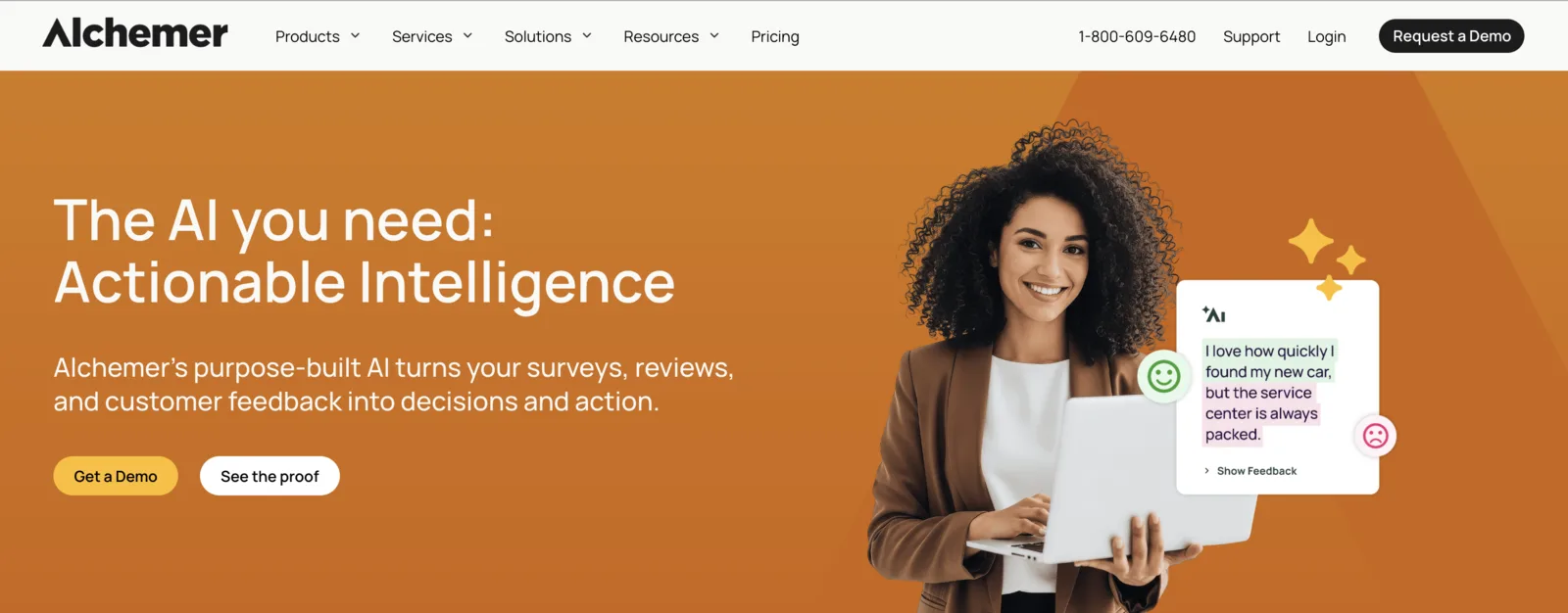
    Alchemer dashboard screenshot

    πŸ“‘What it measures (climate angle)

    • Blank-canvas platform for building validated psychological safety scales and trust indices
    • Fairness perception measures with conditional logic that adapts paths based on prior answers
    • Culture-type assessments using custom scoring formulas and piped variables
    • Full control over construct design for teams with I/O psychology expertise

    ✦What stands out

    • Unmatched survey logic: skip patterns, multi-level branching, custom scoring, piped variables
    • Climate instruments that rival academic research tools in rigor
    • Approachable interface once learned, with reporting dashboards useful for leadership
    • CRM and workflow integrations push survey data directly into operational systems

    ⚠Where it falls short

    • AI-driven insight generation underdeveloped compared to purpose-built HR platforms
    • Advanced analytics sometimes lack transparency in how they weight responses
    • Blank-canvas approach is overwhelming for teams without survey design expertise
    Best forFully custom climate surveys with advanced logic and branching
    PricingCustom pricing
    IntegrationsSalesforce, HubSpot, Slack, Webhooks, REST API
    Verdict

    The most flexible climate survey builder available; the trade-off is that flexibility assumes you know what to measure and how to validate it.

    05

    QuestionPro

    Template-based climate surveys on a budget
    G2, 4.5, sourced June 2026Visit website β†’
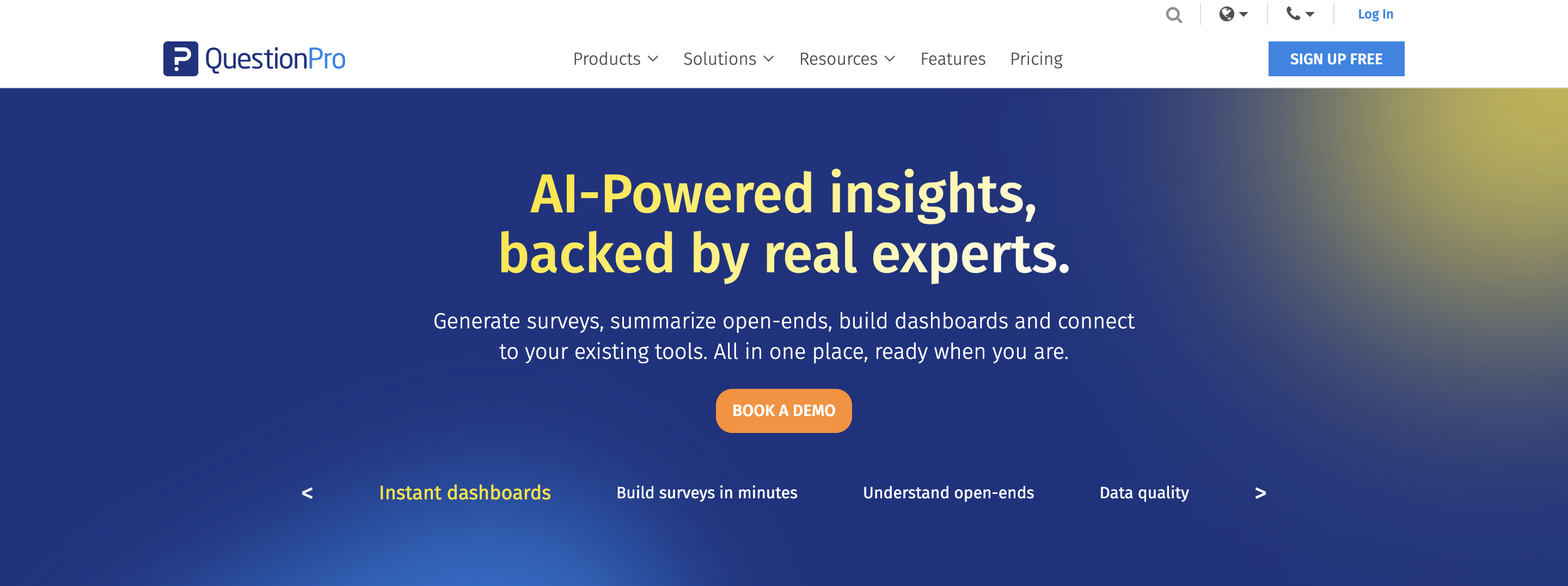
    QuestionPro dashboard screenshot

    πŸ“‘What it measures (climate angle)

    • Pre-built climate survey templates covering trust, psychological safety, and culture
    • AI-assisted builder generates climate survey drafts from simple prompts
    • Google SSO onboarding so employees start responding within minutes
    • Structured starting point for teams running their first climate assessment

    ✦What stands out

    • Intuitive interface for first-time survey administrators
    • Template library provides a structured starting point without I/O psychology expertise
    • AI-assisted creation makes going from zero to a live survey feasible in a single session
    • Secure, fast onboarding with Google ID integration

    ⚠Where it falls short

    • AI-powered analytics have not kept pace with dedicated HR survey platforms
    • Automated insight generation and theme extraction need further development
    • Template-based approach may limit precision for custom climate constructs
    Best forA structured climate survey from a ready-made template on a budget
    PricingCustom pricing
    IntegrationsSalesforce, HubSpot, Slack, Teams, REST API
    Verdict

    The fastest path from zero to a live climate survey; the trade-off is depth of climate-specific analytics compared to purpose-built platforms.

    06

    Leapsome

    Climate-to-development workflows
    G2, 4.8, sourced June 2026Visit website β†’
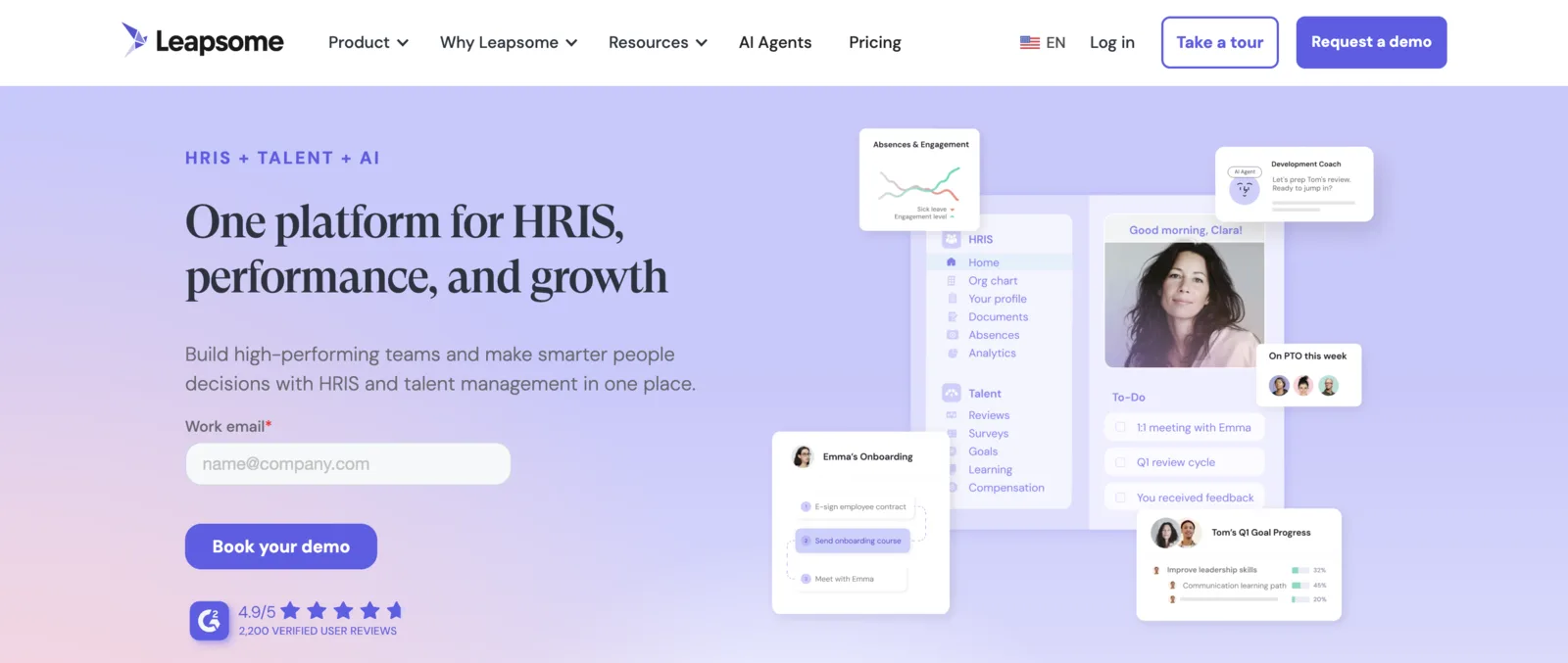
    Leapsome dashboard screenshot

    πŸ“‘What it measures (climate angle)

    • Climate survey data routed directly into manager development workflows
    • Trust or fairness gaps feed into coaching plans and competency programs
    • Climate measurement connected to performance conversations, not siloed
    • Flexible process design adapted to how your organization actually works

    ✦What stands out

    • Distinctive bridge between climate data and manager development
    • Intuitive admin experience with deep customization for access and visibility rules
    • Onboarding materials structured well enough that adoption happens without heavy training
    • Process flexibility that adapts to your org rather than forcing rigid templates

    ⚠Where it falls short

    • Goal tracking could offer more granular intervals for climate action follow-ups
    • Review interface would benefit from more segmented sections for climate-specific inputs
    • Harder to distinguish environment feedback from individual performance commentary
    Best forConnecting climate findings to manager and competency development
    PricingCustom pricing
    IntegrationsBambooHR, Personio, Slack, Teams, HRIS API
    Verdict

    Uniquely positioned to close the gap between climate measurement and manager development; less suited as a standalone climate-only tool.

    07

    Engagedly

    Climate-performance link for mid-market
    G2, 4.3, sourced June 2026Visit website β†’
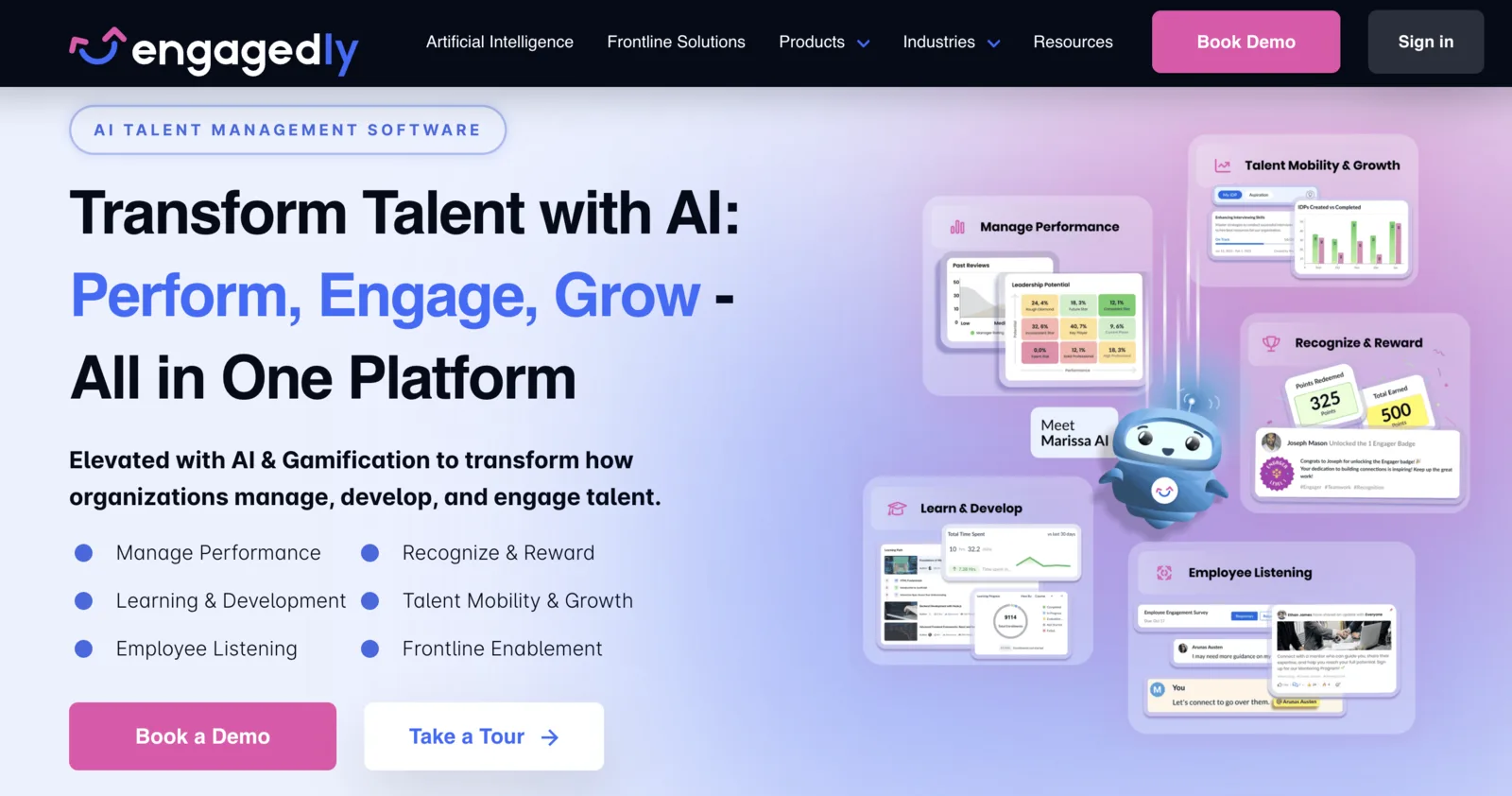
    Engagedly dashboard screenshot

    πŸ“‘What it measures (climate angle)

    • Climate measurement alongside goal-setting and continuous feedback in one platform
    • Survey data on trust, fairness, and team climate flows into performance conversations
    • Correlates workplace environment signals with team growth trajectories
    • Built for mid-market organizations (500 to 2,000 employees)

    ✦What stands out

    • Climate findings are not stranded in a separate system from performance data
    • Managers see how team climate correlates with goal progress and feedback patterns
    • Combined dataset creates a more complete picture than either alone
    • Transparent pricing starting at $2/user/mo

    ⚠Where it falls short

    • New features sometimes ship before foundational usability is fully polished
    • Interface can feel complex for first-time administrators
    • Steeper learning curve than simpler single-purpose tools
    Best forLinking climate signals to performance and growth in mid-market teams
    PricingFrom $2/user/mo, billed annually (min $7,500/year)
    IntegrationsBambooHR, ADP, Slack, Teams, SAML SSO
    Verdict

    Solid for mid-market teams that want climate insights embedded inside a performance platform; not the right fit if standalone climate measurement is the primary need.

    08

    BambooHR

    SMB climate checks in-HRIS
    G2, 4.4, sourced June 2026Visit website β†’
    BambooHR dashboard screenshot

    πŸ“‘What it measures (climate angle)

    • Baseline climate checks covering satisfaction, trust, and communication quality
    • Surveys live alongside employee records, time-off, and onboarding data
    • Zero integration overhead: employee data is always current in the same system
    • Built for small businesses (50 to 500 employees) already running BambooHR

    ✦What stands out

    • Clean, intuitive interface that SMBs without dedicated HR tech teams can manage
    • Automation capabilities help small HR teams make decisions from climate data
    • No CSV uploads or sync failures since it is the HRIS
    • Continuous platform enhancements with intelligent features

    ⚠Where it falls short

    • Reporting and analytics flexibility is limited compared to dedicated survey platforms
    • Highly customized climate reports require workarounds or external tools
    • Advanced workflow customization feels constrained at the mid-market threshold
    • Some third-party integrations require middleware
    Best forSMB climate checks inside an existing HRIS
    PricingCustom pricing
    IntegrationsNative HRIS (built-in), Slack, payroll connectors, API
    Verdict

    The simplest path to climate surveys for existing BambooHR customers; plan to outgrow it when you need custom indices or deep analytics.

    09

    HiBob

    Climate contextualized by org data
    G2, 4.5, sourced June 2026Visit website β†’
    HiBob dashboard screenshot

    πŸ“‘What it measures (climate angle)

    • Climate results cross-referenced against headcount changes, tenure bands, and department structure
    • Immediate correlation of score shifts with org events: restructures, leadership changes, rapid hiring
    • Lifecycle event mapping: onboarding cohorts, promotions, and exits alongside climate data
    • Centralized employee data from hire to exit in a single platform

    ✦What stands out

    • Climate results analyzed against the full org picture without manual data joins
    • Flexible workflows and automations reduce overhead for recurring climate surveys
    • Consistent platform investment shows in the pace of feature improvement
    • All employee data consolidated, so climate context is always current

    ⚠Where it falls short

    • Report export options are limited for external analysis
    • Feeding results into Tableau or running custom statistical models hits export constraints
    • Not ideal if your climate analysis workflow depends on external BI tools
    Best forReading climate against org data: headcount, tenure, and structure
    PricingCustom pricing
    IntegrationsSlack, Teams, payroll platforms, API
    Verdict

    Strong for contextualizing climate data within the broader org picture; limited as a standalone climate measurement tool for teams that need deep external analytics.

    Case Study

    How StudyIn achieved 93.9% survey participation across 800+ employees in 40+ countries

    93.9%Survey participation rate
    7.9Overall engagement score
    70.6%Highly engaged employees
    Shiwali Arora, Head of People & Culture
    "Achieving over 90% participation comes down to trust, transparency, and action. Employees engage when they feel confident that their feedback is anonymous and will be taken seriously."
    Shiwali Arora, Head of People & Culture, SI-GlobalLinkedIn β†’
    Read full case study β†’

    The bottom line: which climate survey tool should you choose?

    Start with the problem, not the product. If your climate program fails, it will not be because you picked the wrong vendor. It will be because you measured the wrong things, or measured the right things and did not act on them.

    Use the Climate-Fit Scorecard to narrow your shortlist to 2-3 tools that match your company size, workforce type, and integration requirements. Compare your results against industry benchmarks to understand where you stand. Then run a pilot with your lowest-engagement department. If participation exceeds 70% and managers receive actionable briefs within 72 hours, you have found your fit.

    Do not over-index on feature count. A platform with 200 features and no manager adoption is worse than one with 20 features that drives quarterly action cycles. The best climate tool is the one your managers actually use.

    If your workforce includes frontline, deskless, or multilingual populations, and you need climate signals from every segment, not just the employees with corporate email, CultureMonkey is built for that. Anonymous surveys delivered through WhatsApp, Slack, Teams, text messages, and kiosk modes, with heatmaps that show exactly where trust and fairness gaps live across your organization. See it in action.

    See how CultureMonkey measures workplace climate

    Trust, fairness, and safety scores across your workforce, with benchmarks from 10M+ responses.

    Frequently asked questions

    The best tool depends on your company size, industry, and workforce type. For mid-market companies (500–2,000 employees), platforms with HRIS integration, manager-level dashboards, and industry benchmarks consistently outperform generic survey tools. Use the Climate-Fit Scorecard above to evaluate vendors against 7 criteria that matter most for climate measurement. You can also compare dedicated employee engagement survey tools and review the top employee engagement survey vendors for a broader view.
    A climate survey measures the work environment itself: trust, fairness, psychological safety, communication quality, and organizational culture. An engagement survey measures the employee's relationship with their work: motivation, commitment, discretionary effort. Climate is the soil; engagement is the crop. Some platforms cover both, but the best climate tools go deeper on environmental drivers than engagement-focused platforms. If you want to run shorter, more frequent checks, consider a pulse survey approach. Read the full comparison above.
    Pricing typically falls into three bands. Self-serve platforms for SMBs run $3–$8 per employee per month. Mid-market platforms with HRIS integration and benchmarking range from $5–$12 per employee per month. Enterprise platforms with custom analytics, data residency, and dedicated CSM support are typically custom-quoted, starting around $8–$15+ per employee per month. Watch for hidden costs: implementation fees, per-module charges, and overage pricing on survey volume. Use our employee engagement survey software comparison to see how pricing stacks up across vendors, and factor in employee retention software costs if reducing turnover is a goal.
    Seven criteria separate effective climate tools from generic survey software: signal depth (culture drivers, not just scores), anonymity architecture, manager action workflows, integration ecosystem, benchmarking depth, analytics and AI capabilities, and security compliance. We scored every tool in this guide against these criteria. An employee engagement survey platform should meet most of these, and a strong anonymous employee feedback tool is essential for honest climate signals. See the Climate-Fit Scorecard for the full framework.
    Self-serve platforms can launch a first survey in 1–2 weeks. Mid-market implementations with HRIS integration, SSO, and custom question banks typically take 3–6 weeks. Enterprise rollouts spanning multiple geographies and business units range from 6–12 weeks. Platforms with multilingual and omni-channel survey delivery add setup time but dramatically improve frontline participation. The biggest time sink is not the technology; it is internal alignment on question design, communication strategy, and manager training. Consider running a pulse survey as a quick pilot before committing to a full rollout. Start those conversations before the vendor contract is signed.
    Most modern platforms offer some level of HRIS integration, but depth varies significantly. Native connectors (real-time sync, automatic org chart updates) are available from mid-market and enterprise platforms. Basic integrations (CSV import, SFTP) are common but create manual overhead. For Slack and Teams, look for in-channel survey delivery (not just notification links), which lifts participation rates 15–25% over email-only distribution. A dedicated pulse survey tool with native integrations will consistently outperform a generic form builder on participation.
    Yes, if you have moved past the startup phase where everyone knows everyone. At 500 employees, anecdotal culture signals become unreliable: managers cannot personally gauge sentiment across multiple teams, and exit interview data arrives too late. A dedicated climate tool surfaces problems while they are still fixable. Pairing it with employee feedback software and employee feedback tools creates a continuous listening system. The cost is typically $1,500–$4,000 per month, which is less than one regrettable departure (estimated at 50–200% of annual salary by SHRM).
    Three signals indicate it is time: (1) your response rates have dropped below 60% because employees do not trust that generic survey tools protect anonymity, (2) you are spending more than 10 hours per cycle manually cutting and analyzing data by department, or (3) leadership is asking for benchmark comparisons and trend data that spreadsheets cannot produce. Switching to a platform that can track employee engagement survey results over time and run an annual employee engagement survey with proper benchmarking makes the ROI immediate.
    Anonymity depends entirely on the platform's architecture. Strong tools enforce minimum response thresholds (5+ per group), strip metadata from open-text responses, and prevent managers from cross-referencing demographic filters to identify individuals. The primary risk is not technical but organizational: if employees see survey results ignored or used punitively, trust erodes regardless of the anonymity guarantee. Investing in manager effectiveness programs alongside your climate tool helps ensure results are acted on constructively. Pair the right tool with a visible action-on-results commitment.