Common questions
Frequently asked questions
What is employee retention software?
Employee retention software is HR technology that helps you understand why employees leave, identify who is at risk, and act before they resign. It combines
lifecycle surveys, driver and attrition analytics, and manager action workflows. Unlike a basic
employee engagement survey tool, it is measured on whether it reduces turnover, not just whether it collects feedback. Understanding
how connected employees feel is only the starting point.
How does employee retention software reduce turnover?
It surfaces the drivers of
employee turnover early and routes them to the managers who can act. Continuous listening flags disengagement before it becomes a resignation, driver analysis shows what to fix, and action workflows make sure something changes. The tools that move turnover close the loop, not just report scores.
What is the difference between employee retention software and employee engagement software?
Employee feedback software measures how connected employees feel now. Retention software uses that signal, plus lifecycle and exit data, to predict and prevent departures. Most platforms overlap, but a retention focus adds attrition-risk modeling, stay and exit listening, and manager action tracking. For lower turnover, look for those retention-specific capabilities.
How much does employee retention software cost?
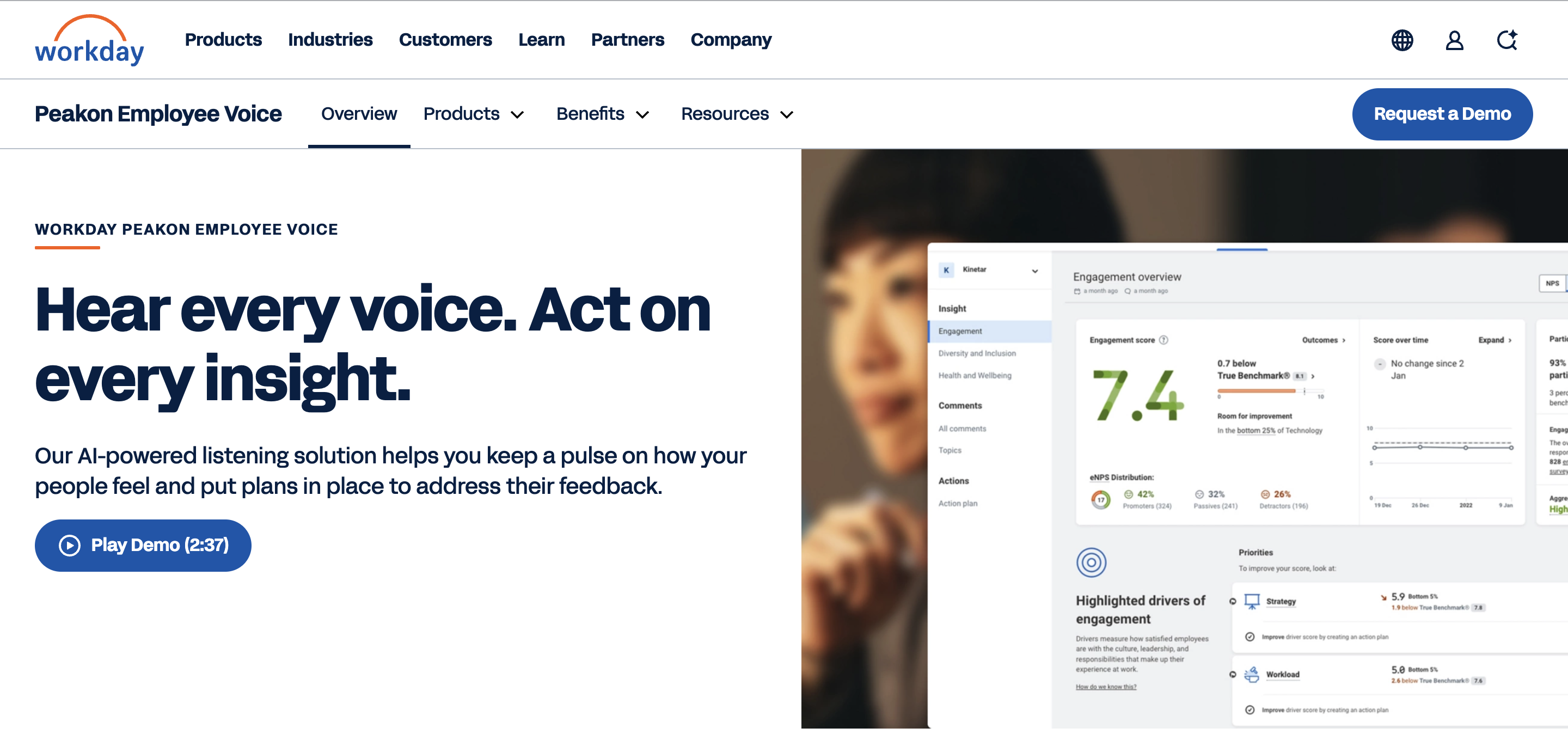
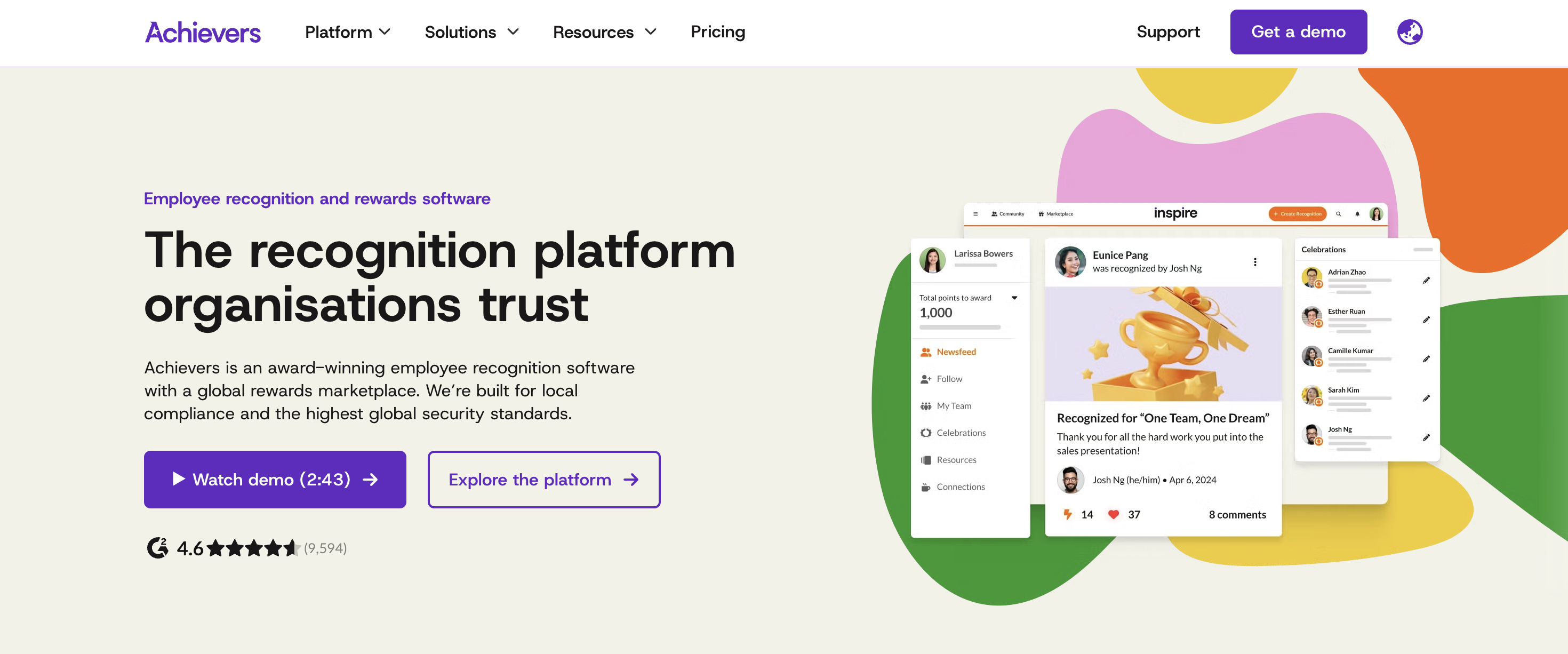
Pricing ranges from about $4 to $11 per user per month for mid-market tools like 15Five and Lattice, up to custom enterprise pricing for CultureMonkey, Workday Peakon, Qualtrics, and Achievers. Enterprise vendors quote on headcount, modules, and contract length. Confirm whether implementation, integrations, and support are included before comparing quotes.
What features should HR teams look for in employee retention software?
Look for five things: turnover-risk prediction, driver analysis tied to your own data, lifecycle coverage from onboarding to exit, a manager action loop with follow-through, and the reach to survey every employee, including frontline staff.
Pulse survey tools that only produce reports leave the hardest work on HR's desk. The best
employee feedback tools close the loop at the manager level.
How do I choose the right employee retention software?
Start with your workforce, not the feature list. Map whether your people are desk-based, frontline, or mixed, list your HRIS, and decide whether retention is driven by performance, recognition, or development. Then score shortlisted tools against the Retention Signal Framework, review your
retention strategies, and run a pilot with one real team before committing.
What is the best employee retention software for large HR teams and enterprises?
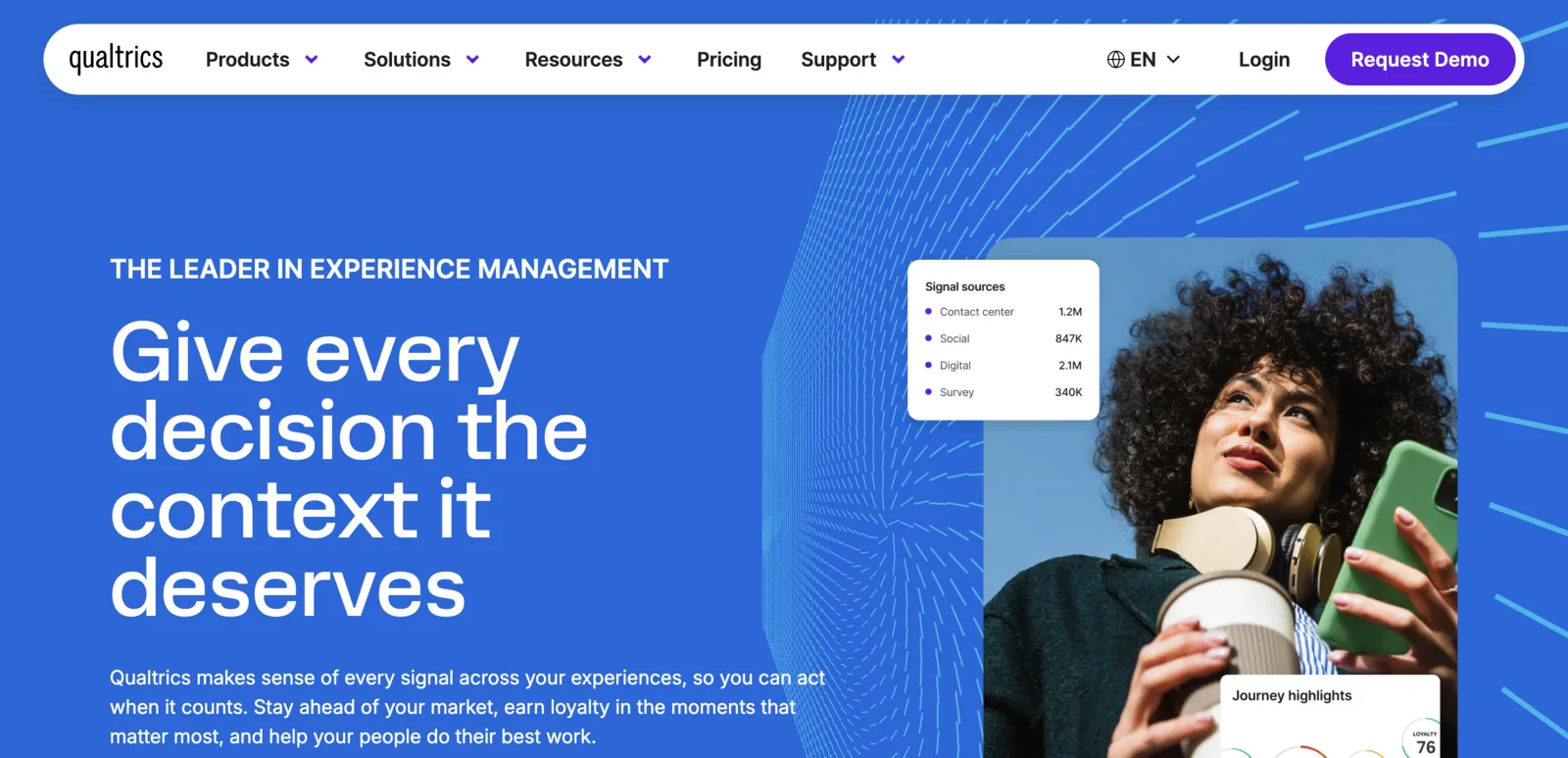
For large or enterprise teams, CultureMonkey, Workday Peakon, and Qualtrics XM are the strongest fits. CultureMonkey suits distributed and frontline workforces with multilingual, omnichannel reach; see a full
employee engagement survey software comparison for how these platforms differ. Workday Peakon is the natural choice if you already run Workday. Qualtrics fits programs with analyst resources needing the deepest analytics.
Can employee retention software predict which employees are likely to leave?
Yes. Platforms like Culture Amp, Workday Peakon, Qualtrics, and CultureMonkey use sentiment trends and driver analysis to flag attrition risk before an employee resigns, an approach explored in
predicting attrition using AI. The
People Science intelligence engine powers predictive insights at the team and cohort level. These models are directional, not certain, so treat them as an early warning that prompts a manager conversation, not a guarantee of who will quit.
Does employee retention software integrate with HRIS platforms like Workday, SAP, or BambooHR?
Most do. CultureMonkey integrates with Workday, SAP, ADP, BambooHR, and regional systems like Darwinbox, Zoho People, and Keka. Before signing, confirm whether roster sync is automated or manual, how often data refreshes, and whether the integration is native or file-based, since that affects segmentation depth. Review the
People Science benchmarks to understand how your HRIS data informs attrition scoring.
Lattice vs Culture Amp vs CultureMonkey for retention, how do they differ?
Lattice links retention to performance and growth, best for mid-market teams. Culture Amp leads on benchmarking and attrition-risk modeling, also mid-market. CultureMonkey is built for enterprise and frontline workforces, with lifecycle listening and omnichannel, multilingual reach. Choose by your workforce and what drives your attrition.
How long does it take to implement employee retention software?
Lightweight tools can launch in one to two weeks. Mid-market platforms typically take two to four weeks, including HRIS integration and template setup. Enterprise deployments with professional services often run eight to twelve weeks. Frontline rollouts add time for channel setup and translation, so plan for the reach, not just the software.
Is employee retention software worth it, and how do I build the business case?
Frame the case around the cost of turnover. Gallup estimates replacing an employee costs one-half to two times their annual salary, so even a small reduction in voluntary attrition pays for the software. Build the case on three outcomes: lower regrettable attrition, faster manager action, and consolidating point tools into one platform.
How does retention software differ for SMBs versus enterprises?
SMBs need fast setup, low per-user pricing, and simplicity, which suits tools like 15Five and Motivosity. Enterprises need predictive analytics, lifecycle listening, multilingual and frontline reach, compliance-grade hosting, and deep HRIS sync, pointing to CultureMonkey, Workday Peakon, or Qualtrics. The risk is buying complexity you cannot staff, or outgrowing an SMB tool.
Can employee retention software reach frontline or deskless workers?
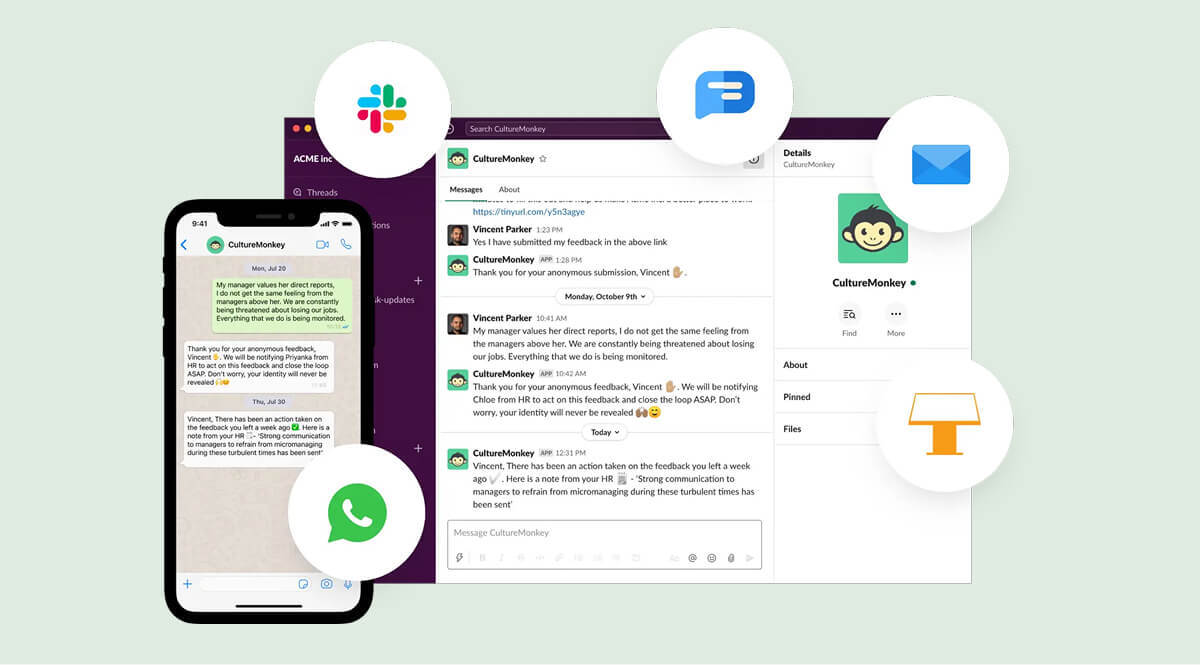
Only some can. Most tools assume corporate email, which excludes the frontline workforces with the highest turnover. CultureMonkey reaches non-desk staff through WhatsApp, SMS, and QR codes in 100+ languages via its
pulse survey tool. For retail, manufacturing, healthcare, or field workers, distribution channel matters as much as analytics, because you cannot retain who you never hear from. Tools built for
anonymous employee feedback are especially important in high-turnover frontline environments.
How do you measure the success of employee retention software?
Track voluntary and regrettable attrition over time, engagement and
eNPS trends as leading indicators,
survey results and participation rate, and manager action completion. The clearest sign of success is a closing gap between feedback collected and action taken, since engagement that is heard and acted on is what precedes people choosing to stay.
Which employee retention software vendors should be on my shortlist?
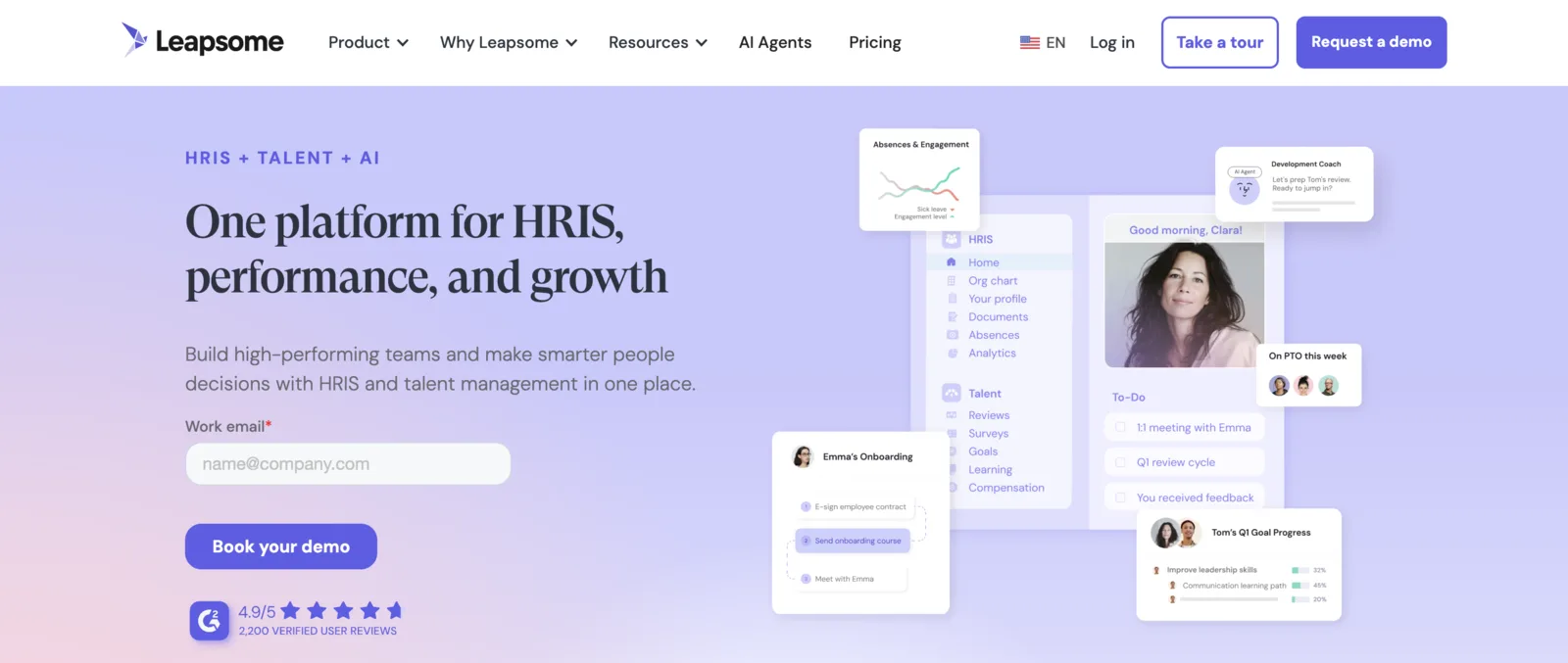
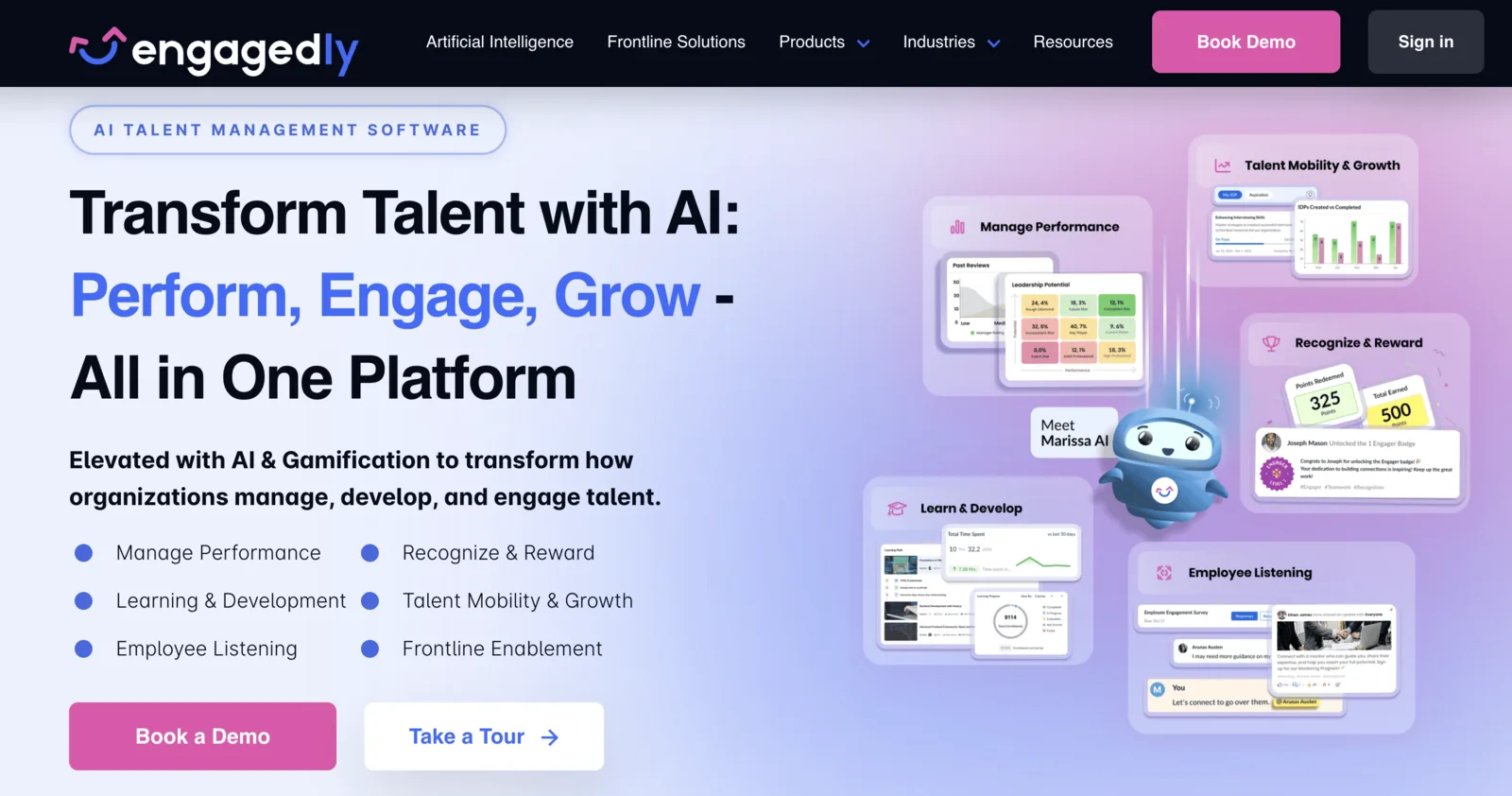
A strong 2026 shortlist includes CultureMonkey, Lattice, Culture Amp, 15Five, Workday Peakon, Leapsome, Qualtrics XM, Achievers, Quantum Workplace, Motivosity, Engagedly, and Vantage Circle. See a curated overview of
top employee engagement survey vendors to help narrow the field. Narrow by workforce type and what drives your attrition (performance, recognition, or development), then pilot two or three before deciding.
What is the difference between a stay interview and a retention survey?
A stay interview is a structured one-on-one conversation between a manager and an employee to understand what keeps them at the company and what might cause them to leave. A
retention survey is a scaled listening mechanism (sent to many employees at once) that captures the same signals systematically. Stay interviews go deeper on individual motivations; retention surveys reveal patterns across teams and segments. The most effective retention programs use both: surveys to surface where risk is highest, and stay interviews to act on it.
What is the ROI of employee retention software?
The ROI depends on your current turnover cost and baseline attrition rate. Replacing a single employee typically costs one-half to two times their annual salary by Gallup's estimate, once you factor in recruiting, onboarding, and productivity ramp. A platform that reduces voluntary attrition by even 2–3 percentage points at a 1,000-person company can generate returns that far exceed the software cost. The clearest ROI case combines a reduction in regrettable attrition, faster manager action on risk signals, and consolidation of multiple point tools into one platform.