

Build for the Person Furthest From the Room
Seven people leaders on hybrid, flexibility and what actually differentiates an employer now.
Every quote below is verbatim from a CultureClub X episode we recorded with the named leader. 7 people leaders, recorded 2022 to 2026. Each take links to the full episode it came from and to the speaker’s LinkedIn profile.
How should work be designed for remote and frontline employees?
Build for whoever is furthest from the room. Seven people leaders on CultureClub X apply the same principle to hybrid meetings, deskless workers and distributed teams: optimise for the person with least access and the rest resolves itself. Work-life balance scores 7.66 in our benchmark, second lowest of 22 drivers.
The most reusable idea across these CultureClub X conversations is a design principle rather than a policy: build for whoever is furthest from the room, and the rest resolves itself. The guests apply it to hybrid meetings, to frontline workers without a desk, and to the employee who never sees a survey link. They also agree that flexibility has stopped being a differentiator, because everyone offers it now, which puts the weight back on culture. Here is what seven of them said, in their own words.
1Stop asking how to solve hybrid. Optimize for the remote employee and hybrid solves itself.
If you really wanna be a differentiator, you need to clearly articulate what is your culture? What problem are you aiming to solve? Because that'll really help to articulate what your employee value proposition is.
2Culture stops happening by default once people are distributed. What the office gave you free now has to be designed.
Our favorite definition of culture comes from the marketing guru, Seth Godin. And he says, people like us do things like this.
3Tenure has fallen for twenty years and nobody expects it back. Optimize for a shorter, higher-value stay.
AI can hear what's said, but it can't see what's not said.
4People run their whole lives from a phone, then fill in paper forms at work. Stop infantilizing them.
We're adults. We want to feel like we have ownership over our lives, and employers have to embrace that.
5Gen Z evaluates your growth story before accepting, and will take a pay cut for real impact.
They'll take a pay cut to work at a place that's really having impact in the world, not just making widgets.
6You cannot policy your way to flexibility. It is a shared mindset, not a document HR writes alone.
For the first time ever, the way we work is shifting and it's coming from the workforce, not from the company.
7Support that used to come from governments and communities is now expected from the employer. Work has to become more accommodating, because employees are not going to stop asking.
Today the research is shouting that employees are increasingly looking to their employer for help navigating all those things that go on in their lives in a way that previous generations just didn't.
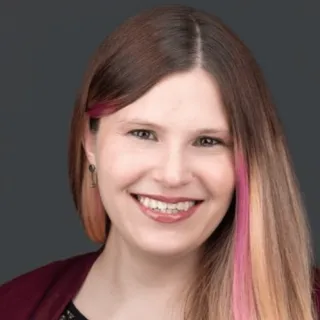

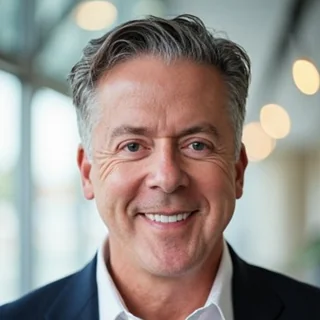

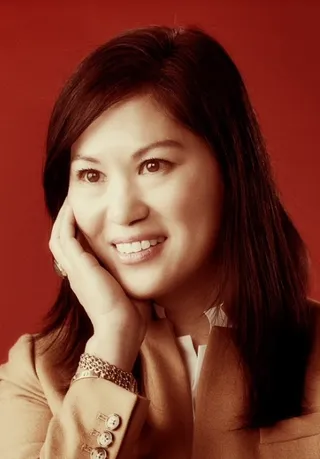
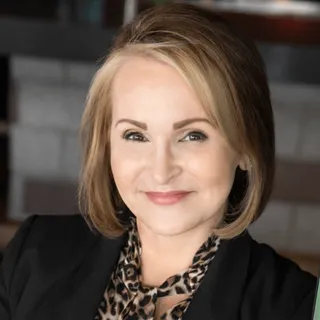
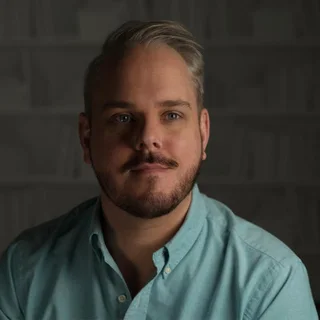
Read together, these seven describe the same shift. The employer stopped setting the terms, and the organizations adapting best are the ones designing deliberately for people they cannot see, rather than assuming proximity will do the work for them.
Questions people ask about future of work
- How do you make hybrid work actually work?
- Stop designing for the room. Guests argue that optimising for the remote participant forces the practices that make hybrid function for everyone.
- What changes about culture when teams are distributed?
- It stops happening by default. What proximity gave you free now has to be deliberately designed, which is the shift guests say most organisations underestimate.
- How should we reach frontline employees without a desk?
- On the device they already use. One guest points out that people run their whole lives from a phone and are then handed paper forms at work.
- Can flexibility be solved with policy?
- Guests say no. Flexibility is a shared mindset rather than a document HR writes alone, and policy without manager behaviour behind it does not hold.
The other roundups
Same panel, same benchmark data, different question.
Turn these conversations into action
See how CultureMonkey helps people leaders act on this, or explore the deep dive on remote work.
Never miss an episode
Every new episode, plus the takeaways that matter, posted on the CultureMonkey LinkedIn page as soon as they drop.
Free on LinkedIn. Unfollow anytime.