

Employee retention
Retention is won long before the exit interview. These conversations cover attrition, the great resignation, and the everyday moves that keep your best people engaged and staying.
All episodes and topicsWhat these leaders agree on
The most useful distinction on this hub comes from Jeffrey Robinson: engagement and retention are not the same measurement. Engagement is how people feel today, retention is their confidence in the future, and companies routinely celebrate a strong engagement score while their best people quietly plan an exit. That reframing explains why so many organizations are surprised by resignations they had the data to predict.
It follows that retention risk hides in high performers rather than weak ones. Robinson points out that risk rarely presents as poor performance: high performers keep delivering while stepping back internally. Which is why almost every guest here rejects the exit interview as the primary instrument. Robinson and Rebecca Price both put stay interviews at the centre instead, with Price running them every six to twelve months on the grounds that no resignation should ever come as a surprise.
They also agree that perks are not the mechanism. Holly Danko separates them cleanly: a ping pong table is a perk, culture is how you make decisions and treat people. Price argues intrinsic motivation, autonomy, mastery and purpose, drives real fulfilment while rewards and recognition sit further down. Allison Sproul names manager support as the single biggest retention lever, and Vanesa Cotlar traces most attrition to three gaps: trust, flexibility, and continuous feedback or recognition.
Where they disagree
There is a genuine split here about whether retention is even the right goal. Steve Cadigan argues short tenure is permanent, that trying to keep people is playing defence, and that organizations should optimize for a shorter, higher-value tenure and celebrate people leaving for better jobs. Price partially agrees, treating departures as graduations and stating outright that the goal is not 100% retention. Juliette Dupré sits at the other end, treating a fall in turnover from 20% to 4% as the clear win from building a listening practice.
Underneath that is a disagreement about what falling tenure means. Barbie Winterbottom and Michelle Yu read the Great Resignation as employers failing to pay attention to signals that had been visible for years, which frames attrition as a fixable failure. Cadigan reads the same trend as a structural change in the labour market to be designed around rather than corrected. The practical consequence is large: one view invests in staying, the other invests in ramping people quickly and making them better while they are there.
10 episodes on Employee retention
 S06 E18Steve CadiganShould HR use AI to cut jobs or make people more valuable? | Steve Cadigan, LinkedIn's first CHROMake people more valuable, says Steve Cadigan, LinkedIn's first CHRO. Using AI to cut headcount saves money now but does not explain how the business grows next, and it pushes everyone into career defense. The better use frees capacity and points people at new markets, new skills and better customer experiences.
 S06 E15Juliette DupréBuilding HR Infrastructure From Zero to ScaleScaling isn't about adding people. Juliette Dupre, Chief People Officer at Other Side Entertainment, shares her blueprint for zero to scale: building HR from scratch, why talent density is a ratio not headcount, listening that cut turnover from 20% to 4%, and using AI without losing the human touch.
 S06 E13Jeffrey RobinsonWhy Engaged Employees Still LeaveEngagement is rising, yet your best people still leave. Human Capital Advisor Jeffrey Robinson breaks down why engagement and retention are two different things, why one-size-fits-all engagement accelerates attrition, and how to design for career stage instead of age.
 S04 E02Vanesa CotlarDesigning Employee Experience That Boosts RetentionIn this episode of CultureClub X, Vanesa Cotlar, VP of People & Culture at PolicyMe, explores the crucial link between employee experience and retention. From engagement strategies to real-life insights, she reveals how culture directly impacts business outcomes.
 S04 E01Melinda HoncoopCulture-Backed Onboarding That Boosts ExperienceIn this episode of CultureClub X powered by CultureMonkey, host Diana Blass chats with HR leader Melinda Honcoop about culture-backed onboarding. They discuss strategies for remote onboarding, 30-60-90 day plans, Gen Z expectations, and how culture directly shapes employee experience and retention.
 S03 E13Allison SproulAttracting Talent With Culture in Hybrid WorkAllison Sproul discusses how a strong, inclusive company culture differentiates organizations in hybrid work, through flexible policies, real-time communication, manager enablement, and creating belonging for all employees.
 S03 E12Rebecca PriceUsing Technology to Improve Employee RetentionFrom purpose-driven work to flexible environments, Rebecca Price explains how technology empowers managers and connects employees, helping organizations retain top talent and navigate the challenges of the post-pandemic workforce.
 S03 E09Holly DankoData-Driven DEI: Policies That Attract and RetainIn this episode, Holly Danko reveals why DEI must be strategic and data-backed, showing how leadership alignment, employee feedback, and authentic culture practices help attract and retain talent in today’s workforce.
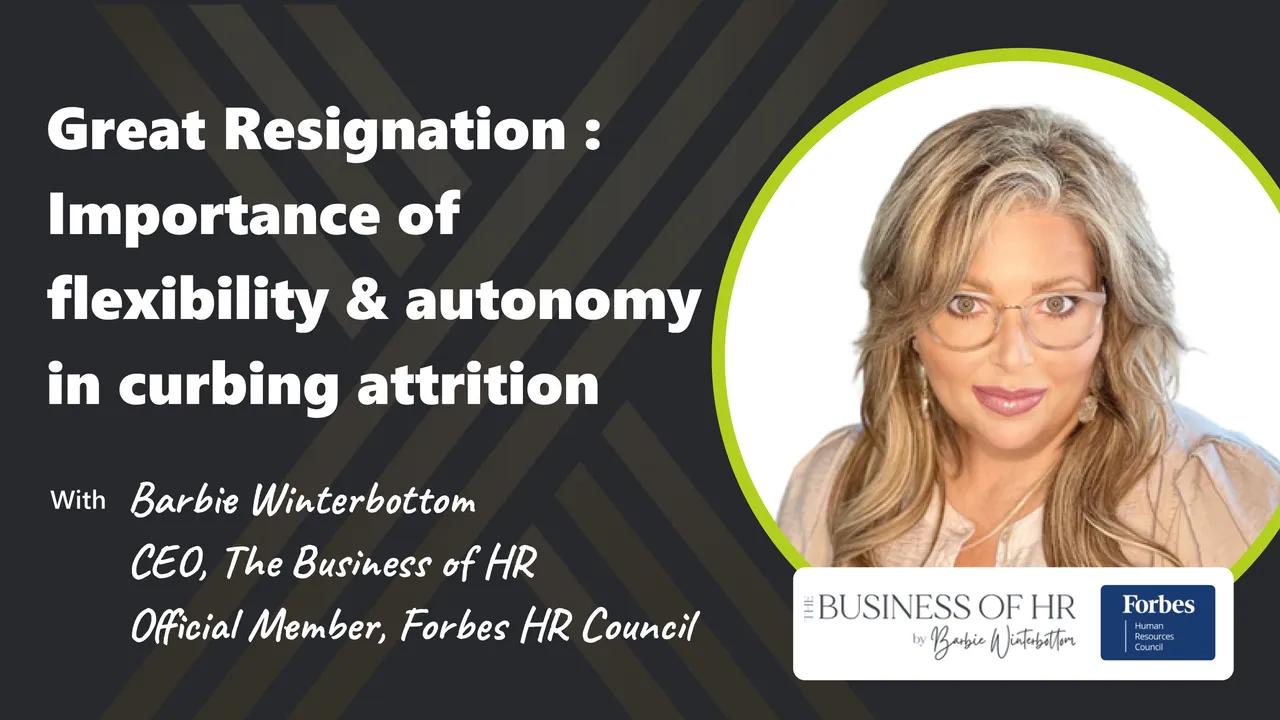 S03 E06Barbie WinterbottomFlexibility, Autonomy, and the Fight Against AttritionIn this episode, Barbie Winterbottom shares how leaders can combat attrition by building safe feedback spaces, valuing transparency, and empowering managers, showing why flexibility and autonomy matter more than rigid policies.
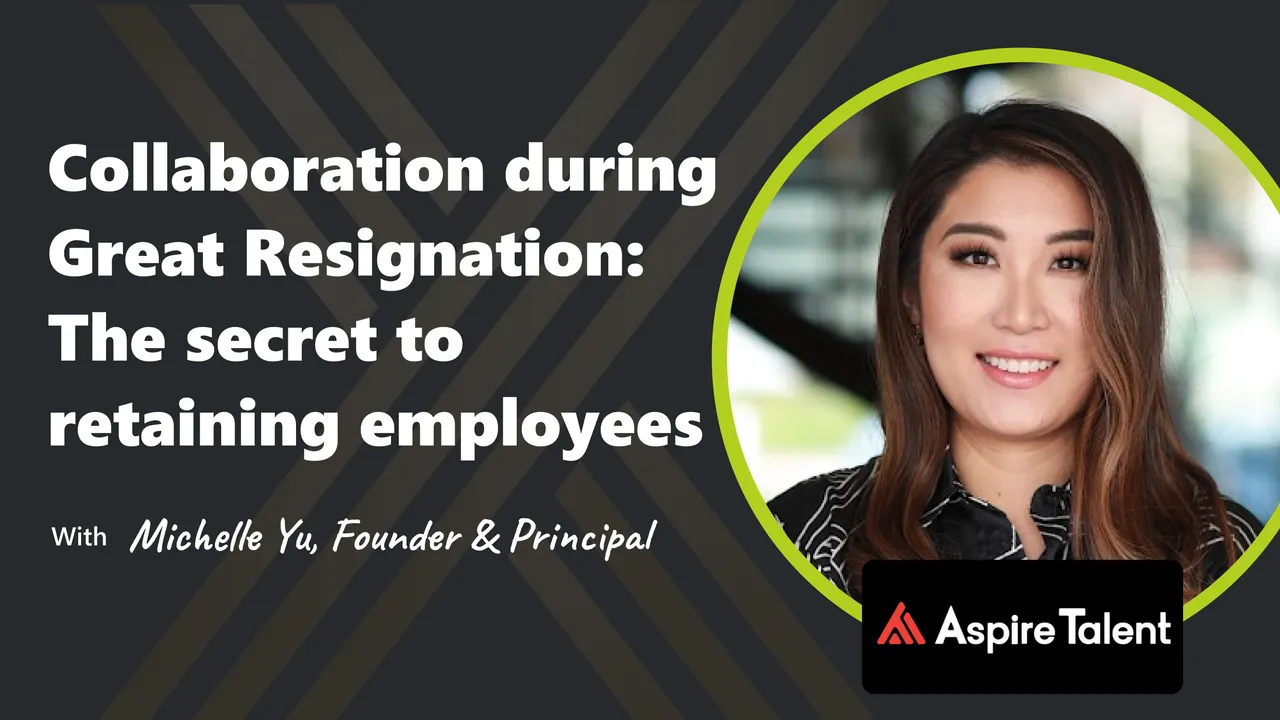 S03 E04Michelle YuWhy Collaboration Retains Talent Better Than PayIn this episode, Michelle Yu reveals why collaboration and culture, not just pay, are the real keys to retaining talent during the Great Resignation, urging leaders to embrace employee needs, invest in growth, and foster genuine connection.
Put Employee retention into practice
See how CultureMonkey helps people leaders act on this, or explore the deep dive on Employee retention.
Never miss an episode
Every new episode, plus the takeaways that matter, posted on the CultureMonkey LinkedIn page as soon as they drop.
Free on LinkedIn. Unfollow anytime.