

Manager effectiveness
Culture is not what the CEO writes in the values deck, it is what managers do every day. These episodes unpack how people leaders turn managers into the amplifiers of engagement, trust, and retention.
All episodes and topicsWhat these leaders agree on
The number that recurs most often across these conversations is roughly 70%: the share of team engagement variance that traces back to the manager. Dr. Adam Hickman and Cezary Mączka arrive at it independently, and it underwrites almost everything else on this hub. If the manager is the variable, then culture is not set at the top.
That leads to the second shared conclusion: culture is made in small, repeated interactions rather than programmes. Melissa DiMuro describes culture happening in micro bits and recommends weekly touch points at minimum. Tracie Sponenberg reports one company culture and more than sixty team cultures at The Granite Group, because every manager sets the tone locally. Jackson Lynch offers the bluntest version, defining culture as decision residue: to understand yours, examine your last hundred people decisions and see who won and who lost.
Third, these leaders agree that managers are the most squeezed population in the organization and the least equipped. Hickman notes manager engagement has fallen nine points since 2022. Tracy Dodd calls middle managers the most burned out group, absorbing emotional support, retention and culture-building on top of their actual jobs. Only 44% have had formal training, and Hickman argues the fix is repetitions rather than courses: calibration sessions and real at-bats rather than another workshop.
Fourth, trust is extended rather than earned. Sponenberg learned from her CEO to give trust from the start and treat violations as the exception. Michele Lau-Torres makes the same case, arguing you cannot mandate trust into a team.
Where they disagree
The real tension is over who owns manager burnout. Lau-Torres argues much of it is self-inflicted: managers who keep operating as individual contributors become micromanagers and absorb responsibility that was never theirs. Dodd frames the same burnout structurally, pointing at span of control and duties layered on top of a day job. One diagnosis implies coaching the individual, the other implies redesigning the role, and they lead to different interventions.
Mączka pushes further against the whole premise. He argues most organizations do not have a skills gap but a system gap, and that no HR model can fix a system that is misaligned. If he is right, manager enablement is treating a symptom, which cuts against the manager-first thesis the rest of this hub rests on.
14 episodes on Manager effectiveness
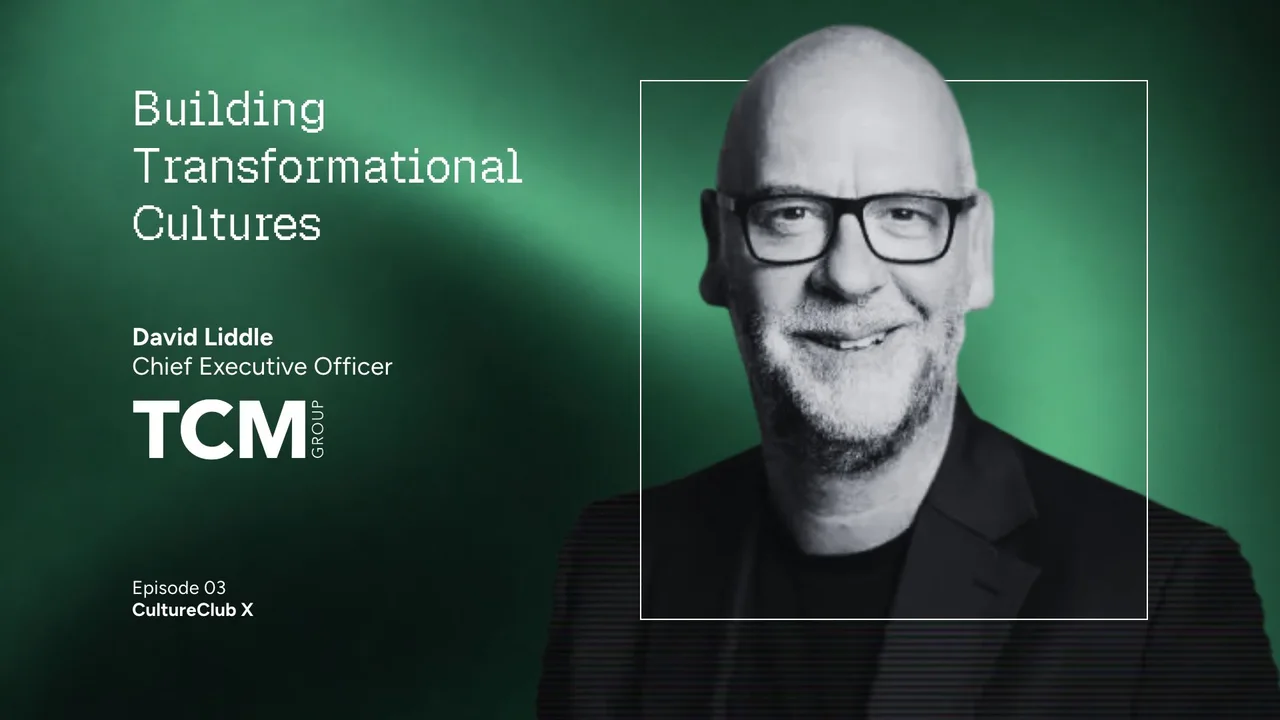 S07 E03David LiddleWhy do grievance procedures damage workplace culture? | David Liddle, The TCM GroupBecause they teach people to blame and defend, says David Liddle, CEO of The TCM Group. A grievance procedure builds working relationships on right and wrong, win and lose, and that behavior becomes the culture. His alternative is the Resolution Framework, which resolves issues through dialogue, and his one action for people leaders is to go and listen.
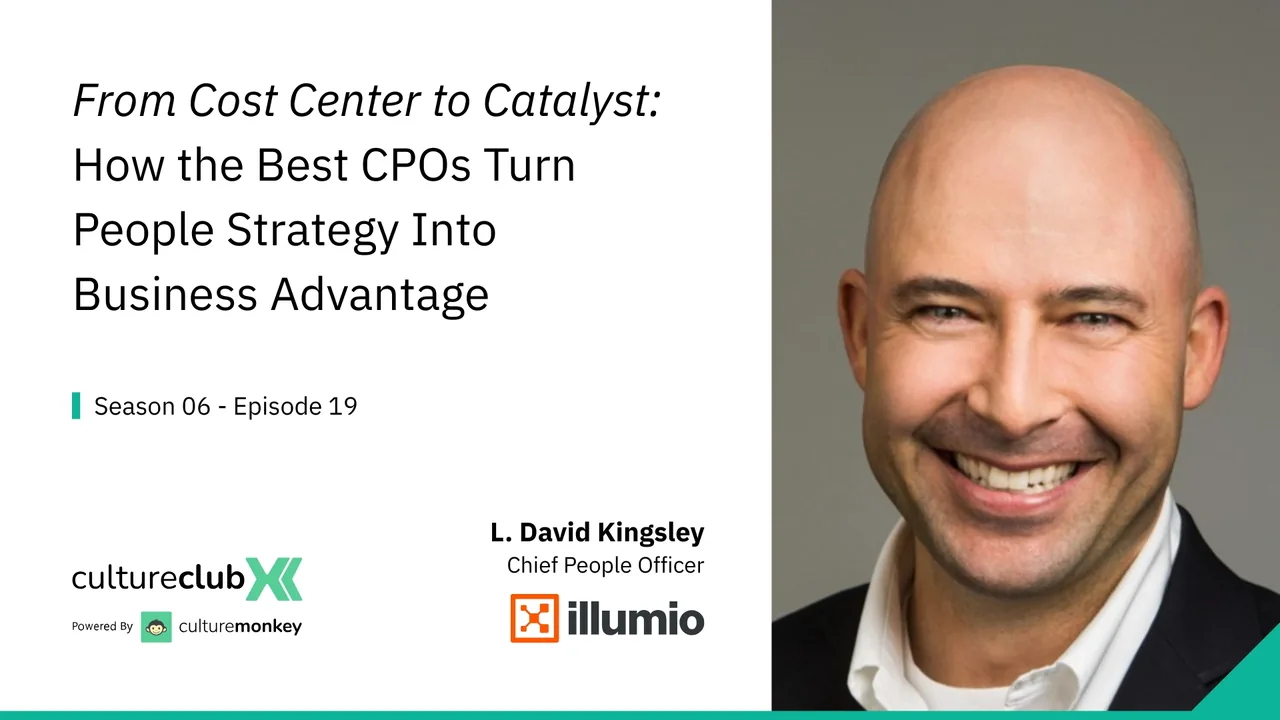 S06 E19L. David KingsleyFrom Cost Center to Catalyst: How CPOs Turn People Strategy Into Business Advantage, with L. David KingsleyL. David Kingsley has been a Chief People Officer five times over, at MuleSoft, Vlocity, Alteryx, Intercom and now Illumio. He joins CultureClub X to argue that people teams should stop fighting the cost center label and start working like one: three jobs in order, the shortest possible version of everything, and a single question that surfaces the capacity your organization is quietly missing.
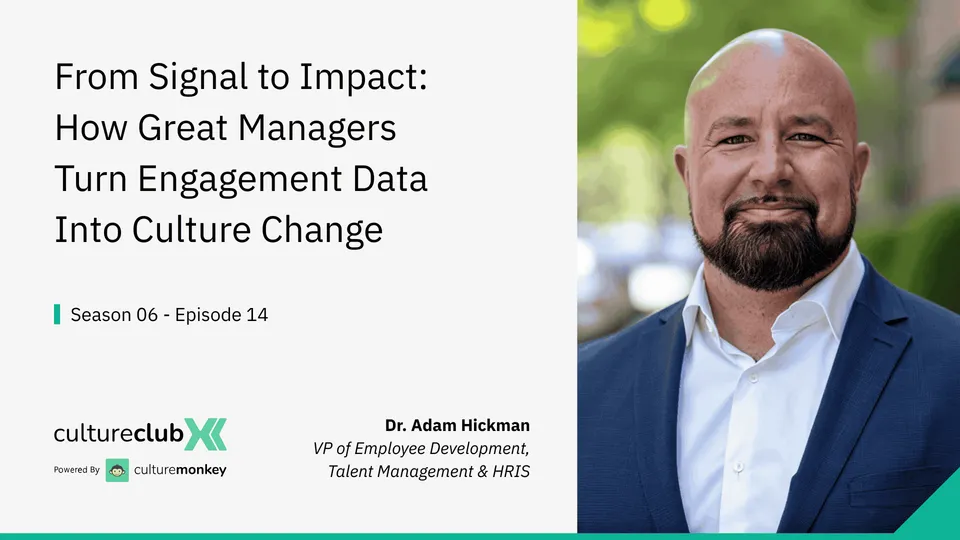 S06 E14Dr. Adam HickmanTurning Engagement Data Into Culture ChangeEngagement data is just a signal. 70% of team engagement comes down to the manager. Dr. Adam Hickman, VP at Partners Federal Credit Union, unpacks why managers are disengaging fastest, why you should develop performance instead of managing it, build capability through reps, and start by listening.
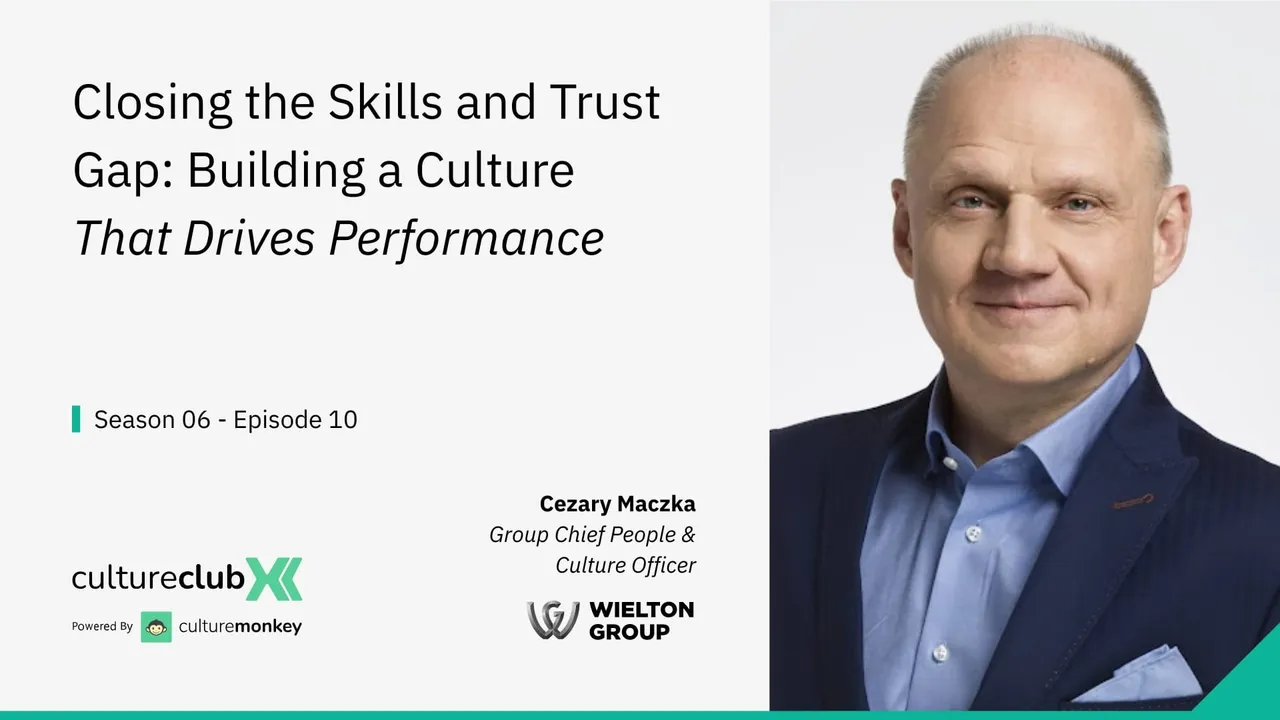 S06 E11Cezary MączkaIs the skills gap really a trust gap? | Cezary Mączka, Wielton GroupOften, yes, says Cezary Mączka, Group Chief People & Culture Officer at Wielton Group. A skills gap is missing capability; a trust gap is doubt that the company will be honest with people as roles change, and most firms mistake one for the other. Pair reskilling with transparency, and give each unit no more than three clear quarterly priorities.
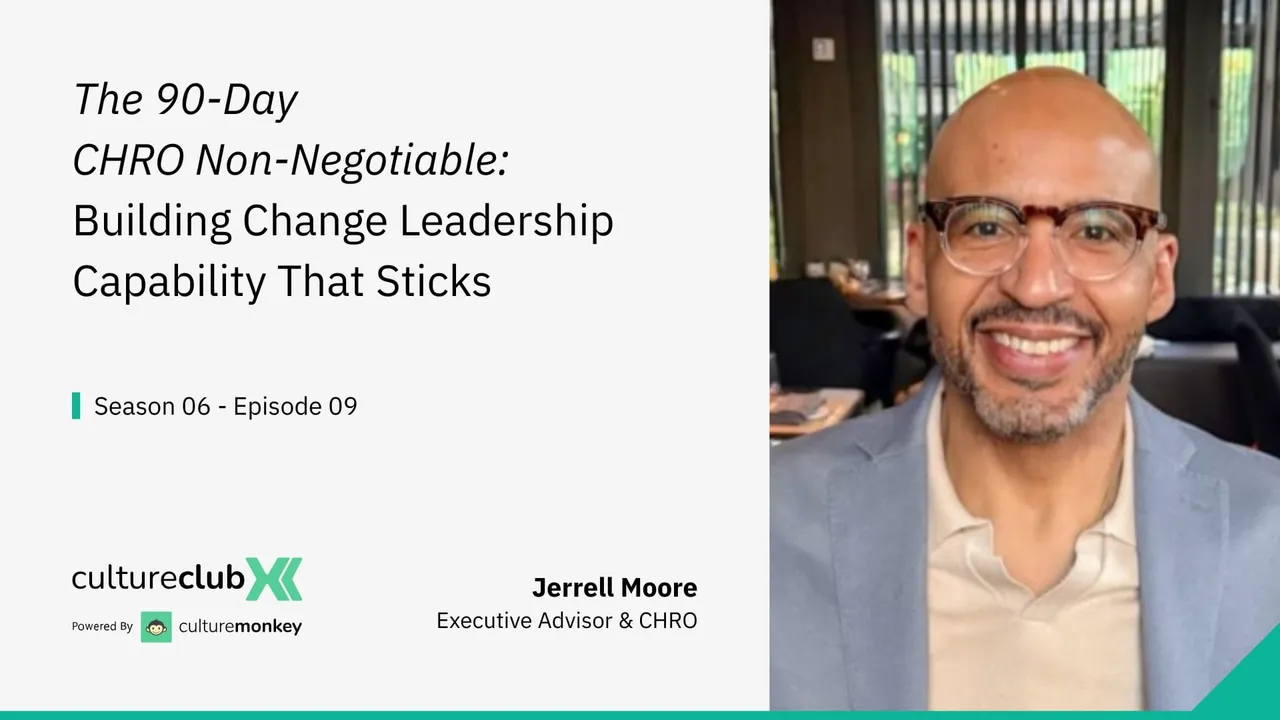 S06 E09Jerrell MooreHow CHROs Build Change Leadership That SticksJerrell Moore, Executive Advisor and former CHRO at Cadence Bank, shares how CHROs can build change leadership capability that sticks, from cultural norms and measurement frameworks to the one non-negotiable 90-day action every people leader must take to develop truly change-ready leaders at scale.
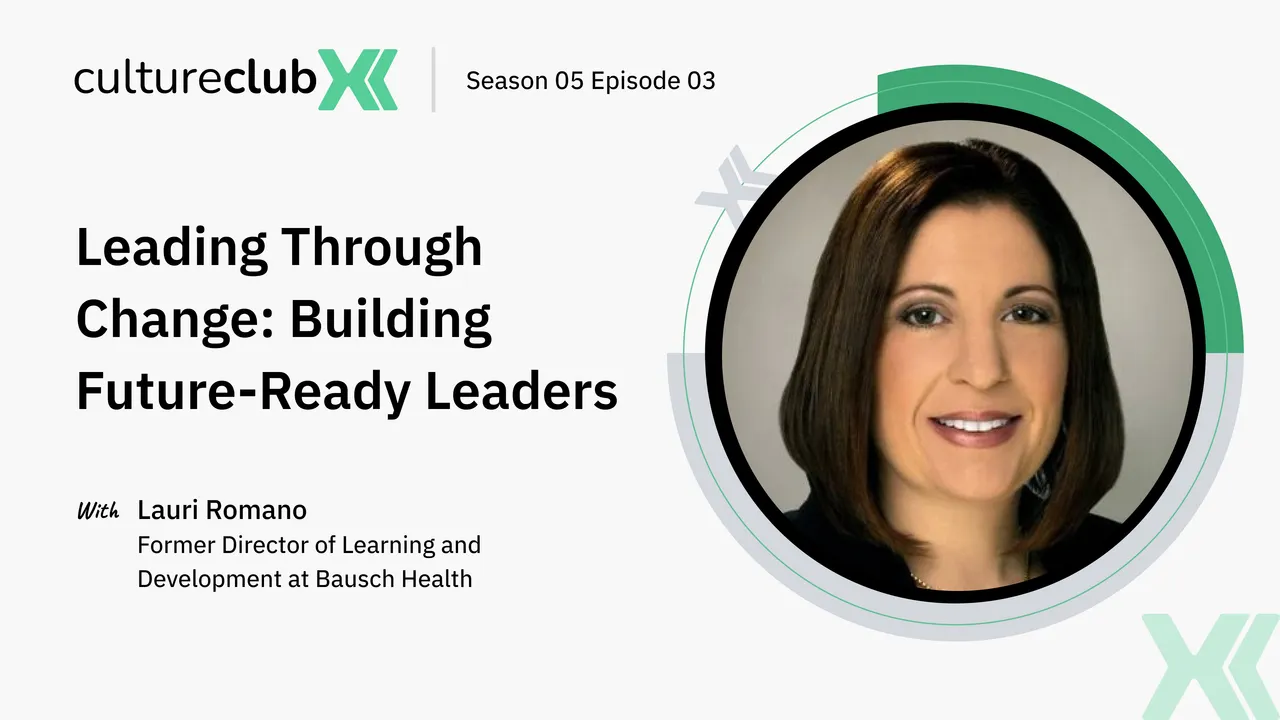 S05 E03Lauri RomanoLeading Through Change: Building Future-Ready LeadersIn this episode, Lauri Romano unpacks how leaders can guide teams through uncertainty, balance speed with sustainability, and build psychological safety. She shares why empathy, adaptability, and purpose are core to future-ready leadership, and how tech and human skills now go hand in hand.
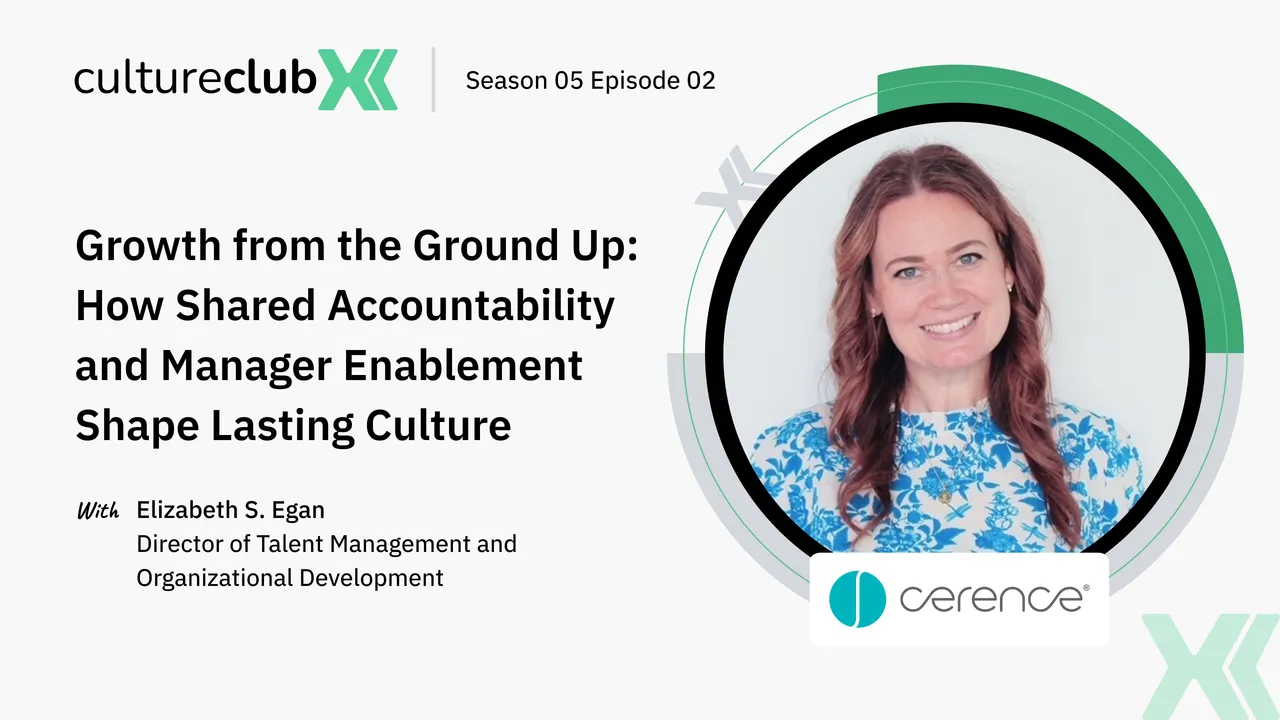 S05 E02Elizabeth S. EganShared Accountability and the Culture It BuildsIn CultureClub X S05 E02, Elizabeth S. Egan discusses shaping lasting culture through shared accountability and manager enablement. Hear practical strategies to empower employees, embed learning into daily work, and scale development across roles for real organizational impact.
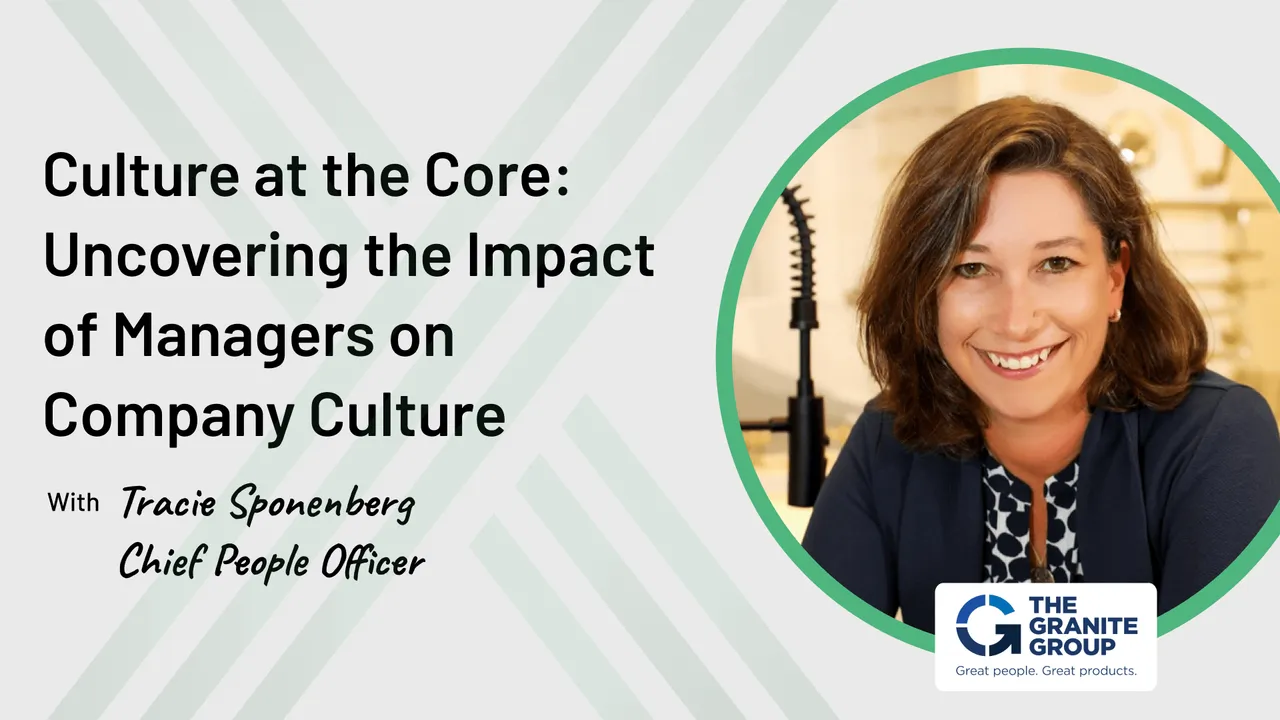 S04 E08Tracie SponenbergCulture at the Core: What Managers Actually DriveTracie Sponenberg, Chief People Officer at The Granite Group, joins S04 E08 of CultureClub X to unpack what managers actually drive in company culture, why trust should be given freely, and how people teams can build an individual employee experience while technology deepens rather than replaces human connection.
 S04 E07Melissa DiMuroTrust and Safety in a Manager-Centered CultureMelissa DiMuro, Chief People and Culture Officer at Limbach, discusses managers' role in building trust and psychological safety. In S04 E07 of CultureClub X, she also highlights the importance of leader mental health and frequent pulse checks.
 S04 E06Tracy DoddPractical Ways Managers Influence CultureTracy Dodd of VNS Health shares practical strategies for managers to influence culture, from reading emotional cues to fostering psychological safety, and turning employee feedback into meaningful action that boosts engagement and trust.
 S04 E05Michele Lau-TorresThe Case for Manager-Driven Company CultureIn S04 E05 of CultureClub X, Michele Lau-Torres discusses a manager-driven company culture. A 20-year talent development veteran, she stresses that managers must lead team culture, address employee wellness, and prevent burnout by actively listening and supporting their teams.
 S03 E11Kellie WagnerDEI as the Bridge to Sustainable CultureKellie Wagner discusses how DEI bridges to a sustainable culture, highlighting leadership ownership, manager accountability, employee advocacy, and continuous listening through pulse surveys to embed equity and inclusion in everyday workplace practices.
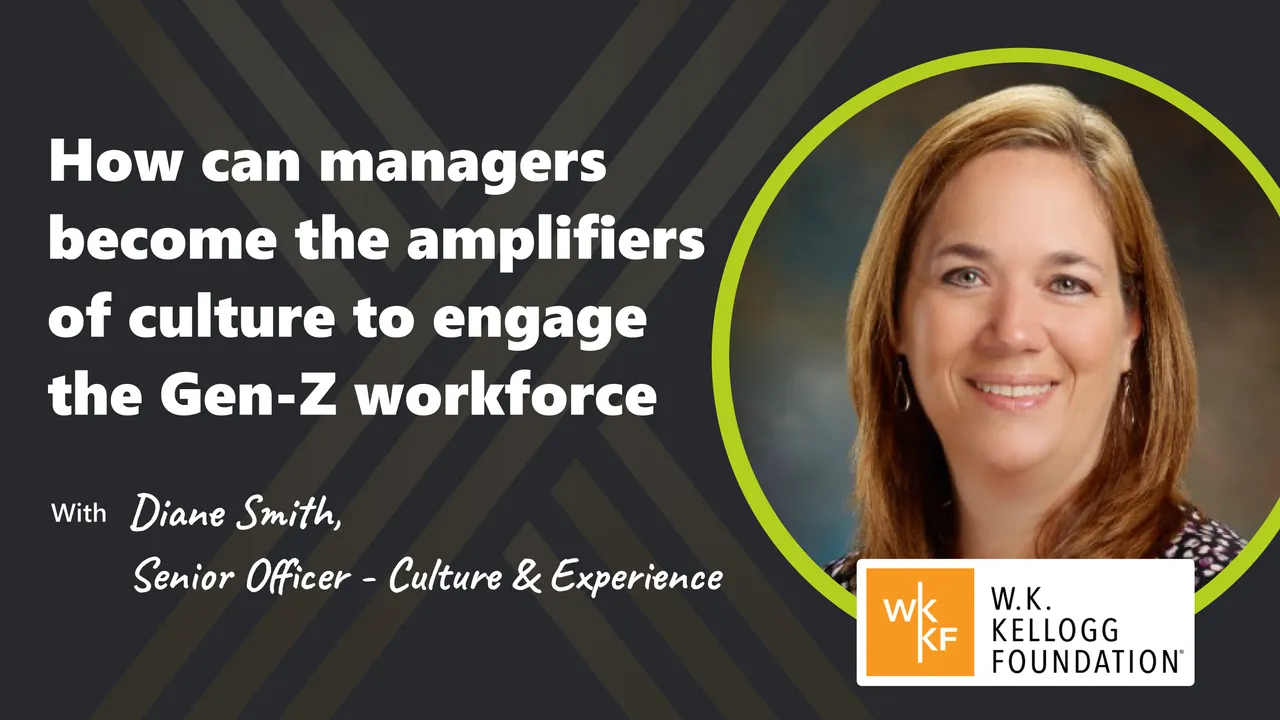 S03 E10Diane SmithManagers as Amplifiers of Culture for Gen ZDiane Smith shares how Gen-Z thrives when managers drive culture, through diversity, on-demand learning, coaching, and balance, positioning leaders as key amplifiers of engagement and long-term talent retention.
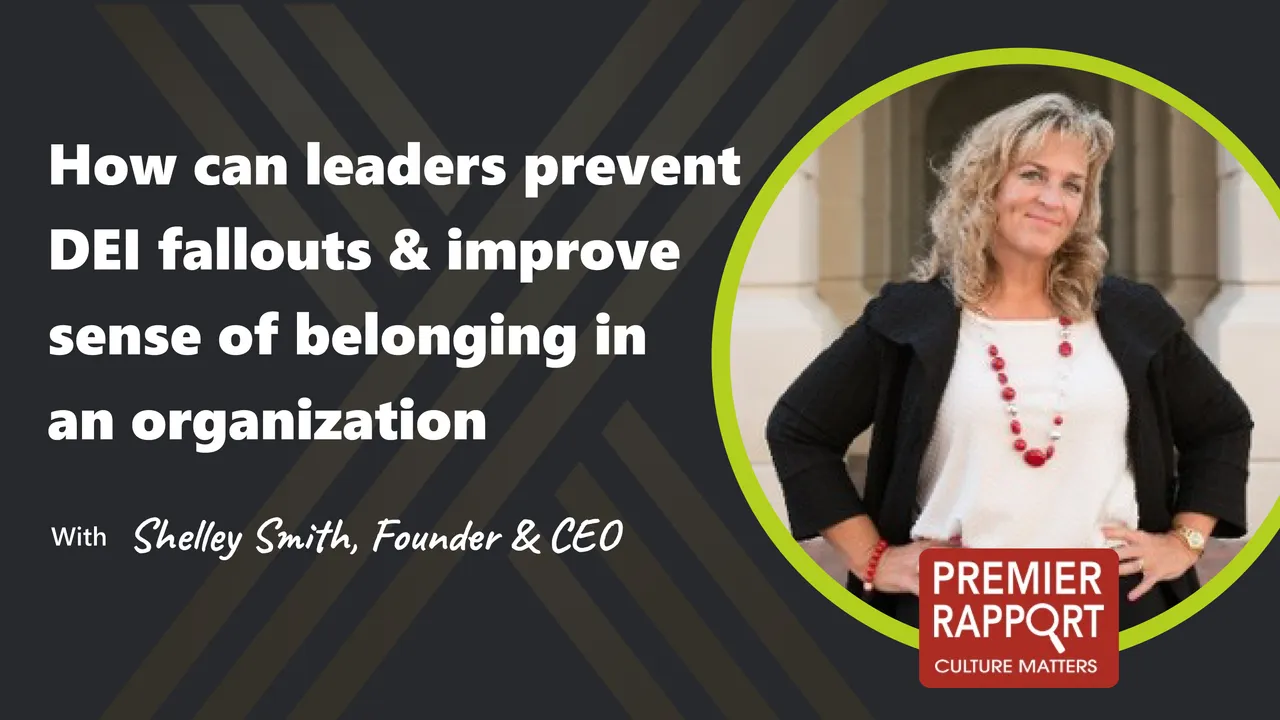 S03 E05Shelley SmithPreventing DEI Missteps and Building BelongingShelley Smith explores how leaders can avoid DEI missteps by building unique cultures, empowering all managers as custodians of engagement, and ensuring employee feedback drives consistent, visible change.
Put Manager effectiveness into practice
See how CultureMonkey helps people leaders act on this, or explore the deep dive on Manager effectiveness.
Never miss an episode
Every new episode, plus the takeaways that matter, posted on the CultureMonkey LinkedIn page as soon as they drop.
Free on LinkedIn. Unfollow anytime.