

DEI and belonging
Belonging shows up in the data long before anyone says a word. These episodes cover diversity, equity, inclusion, and the psychological safety that lets people bring their whole selves to work.
All episodes and topicsWhat these leaders agree on
Emily Goodson supplies the distinction the rest of this hub builds on: equity is not equality. Equality hands everyone the same apple, while equity accounts for different starting points. From there the agreement is unusually strong on one point, that statements without action are worse than silence. Goodson notes employer brand and culture are now effectively synonymous, so a public position that daily behaviour contradicts is a liability rather than a neutral.
Second, values have to be specified as behaviours before they mean anything. Kellie Wagner argues a value like respect means different things to different people, so leaders have to name the specific behaviours. Michele Lau-Torres offers the sharper test: your real values are the worst behaviour you tolerate. Wagner identifies accountability as the hardest and most revealing step, pointing at what happens when a high-performing rainmaker erodes the culture without consequence, because employees read that outcome immediately and accurately.
Third, belonging is legible in data before anyone says a word. Jessica Smith and Daniela Herrera both point to who goes quiet on sensitive survey questions, and Smith adds attendance at optional, social events as a truer signal than any headline score, precisely because nothing requires people to show up.
Where they disagree
The clearest contradiction on this hub is about ownership. Herrera argues that DEI framed as everyone's responsibility is effectively nobody's, and that sustainable work requires a dedicated owner with C-suite access embedded into every process. Shelley Smith argues the opposite, that every people manager is a custodian and HR carries institutional knowledge rather than sole ownership. Wagner lands nearby, framing HR as custodian and employee contribution as a form of civic participation. Centralize or distribute is a real fork, and these leaders do not resolve it.
There is also a warning here about the measurement everyone else relies on. Aysha Alawadhi points out that flattering engagement scores can mask a homogeneous culture, hiding gaps such as a wide power distance between those who lead and those who do not. If she is right, a strong belonging score is exactly what a monoculture would produce, which complicates using engagement data as the primary instrument.
14 episodes on DEI and belonging
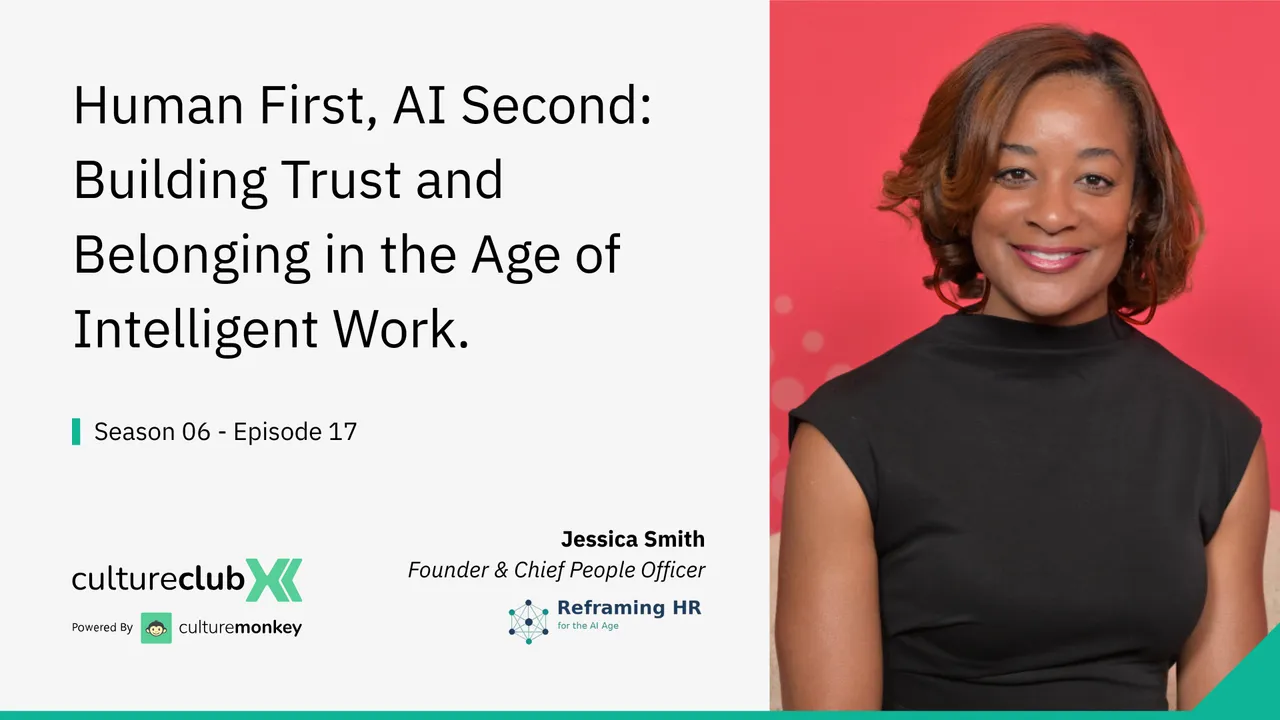 S06 E17Jessica SmithHow do you build trust and belonging in the age of AI? | Jessica Smith, Reframing HRProtect the uniquely human skills first, says Jessica Smith, founder of Reframing HR. Judgment, discernment and emotional intelligence decide whether people trust a decision, and AI cannot replace them. To check whether belonging is real, watch who goes quiet on sensitive survey questions and who turns up to optional events, then put strategy before tools.
 S06 E05Daniela HerreraSpotting Culture Erosion Before It SpreadsDani Herrera, award-winning bilingual DEI consultant, trainer, and speaker joins us to break down how to read culture erosion before it surfaces in engagement scores, why DEI must be embedded rather than delegated, and how to rebuild trust after an organizational misstep.
 S06 E03Nadia VatalidisWhy AI Reskilling Fails Without Psychological SafetyMost AI reskilling programs don’t fail because of tools. They fail because organizations skip psychological safety and behavior change. In this CultureClub X episode, Nadia Vatalidis explains why mindset, leadership behavior, and feedback loops determine whether learning actually sticks.
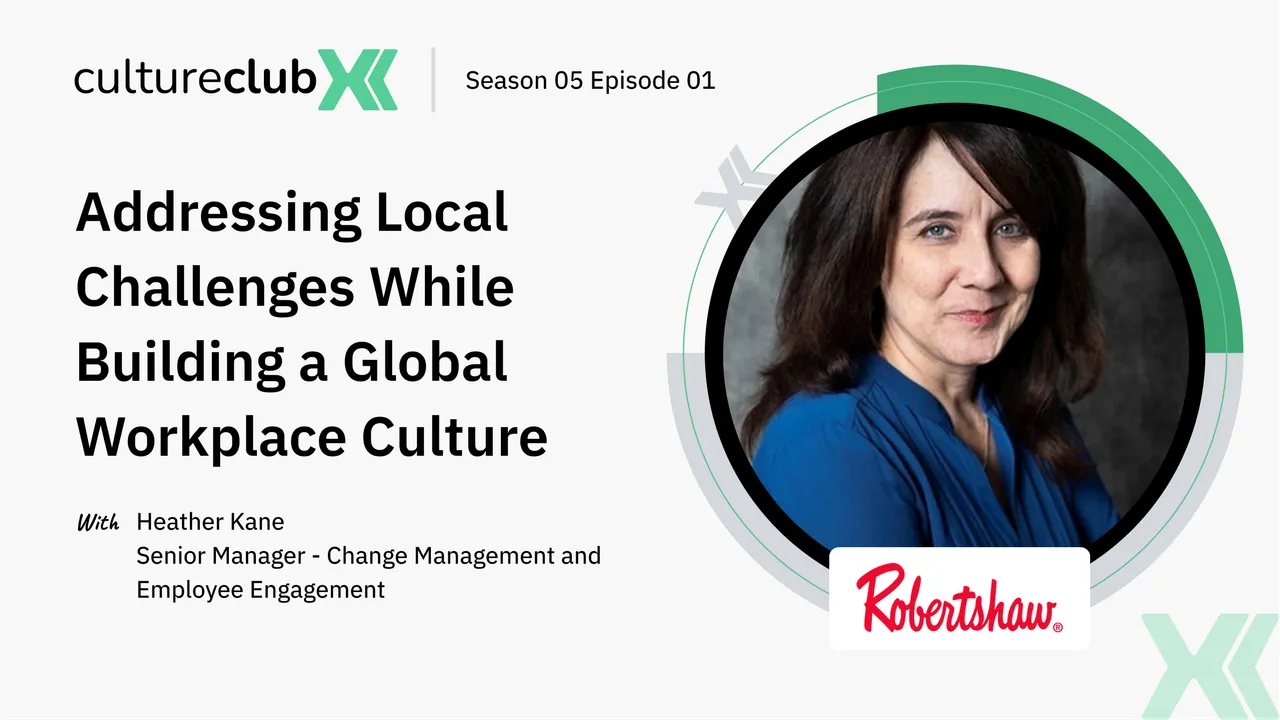 S05 E01Heather KaneBuilding One Culture Across Global and Local TeamsHeather Kane of Robertshaw shares how organizations can bridge global and local workplace cultures, leveraging technology, inclusive communication, and manager-driven initiatives to engage employees meaningfully, making every voice count and fostering connection across diverse teams.
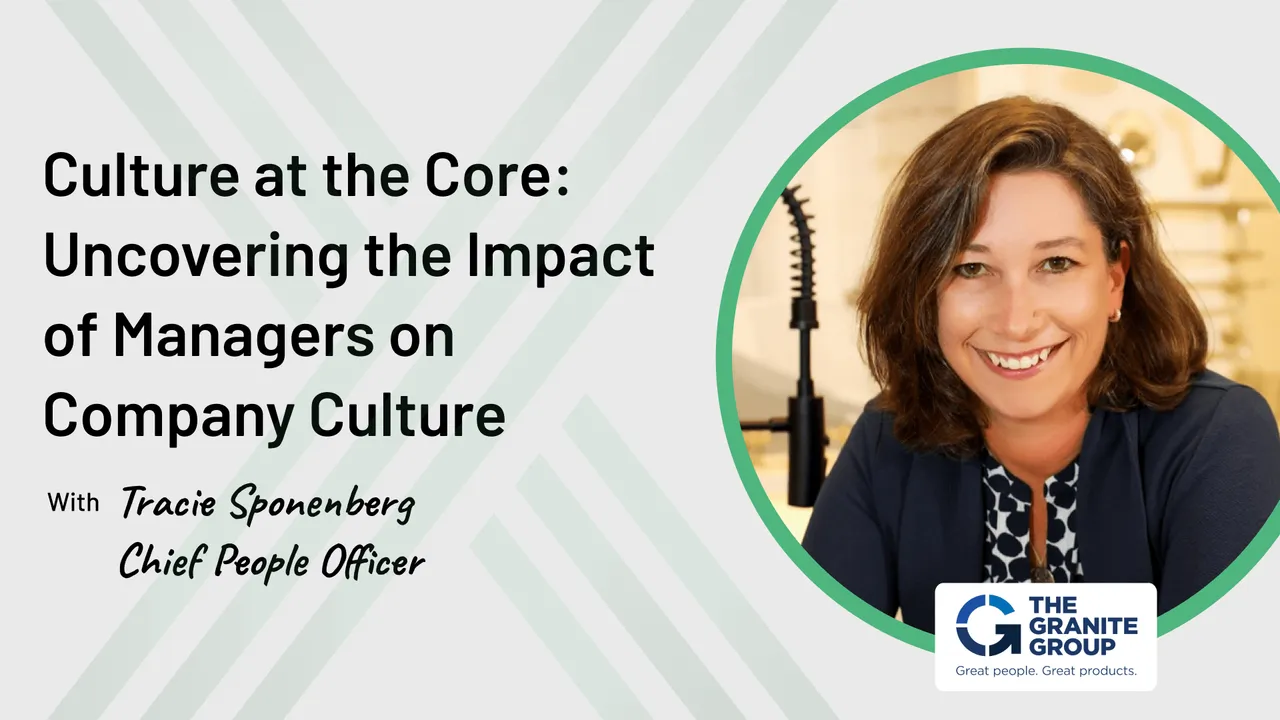 S04 E08Tracie SponenbergCulture at the Core: What Managers Actually DriveTracie Sponenberg, Chief People Officer at The Granite Group, joins S04 E08 of CultureClub X to unpack what managers actually drive in company culture, why trust should be given freely, and how people teams can build an individual employee experience while technology deepens rather than replaces human connection.
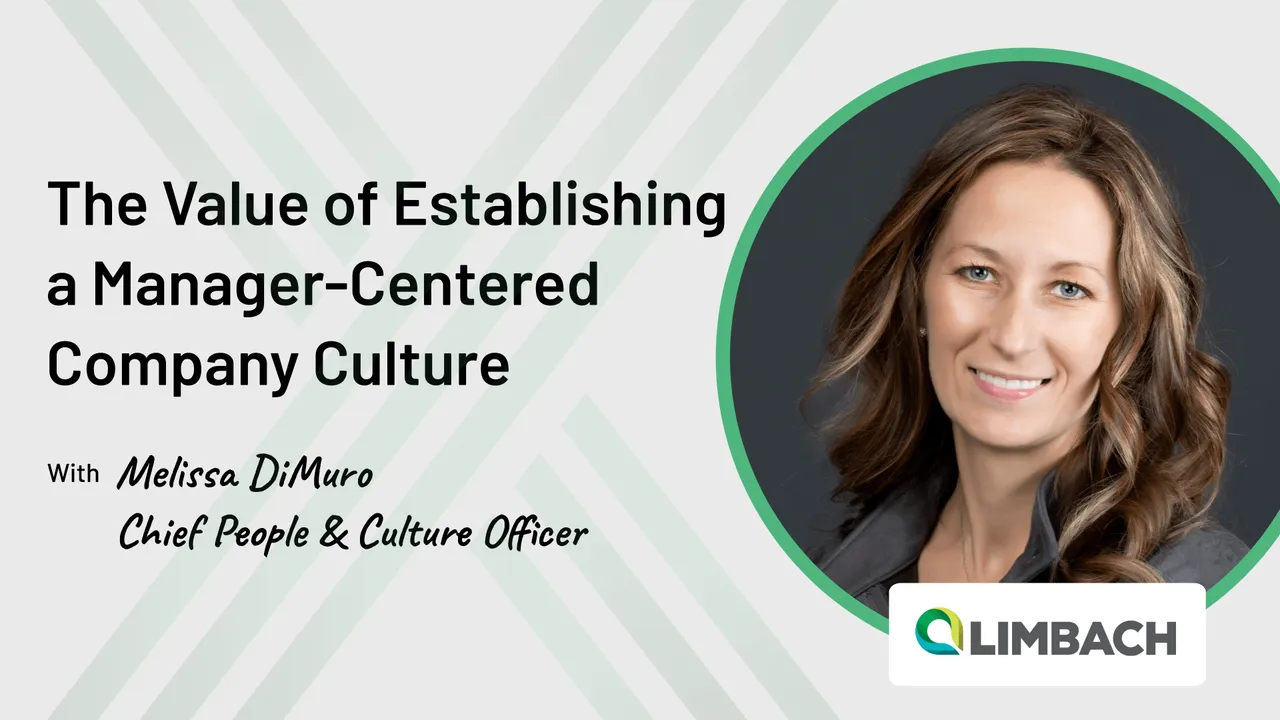 S04 E07Melissa DiMuroTrust and Safety in a Manager-Centered CultureMelissa DiMuro, Chief People and Culture Officer at Limbach, discusses managers' role in building trust and psychological safety. In S04 E07 of CultureClub X, she also highlights the importance of leader mental health and frequent pulse checks.
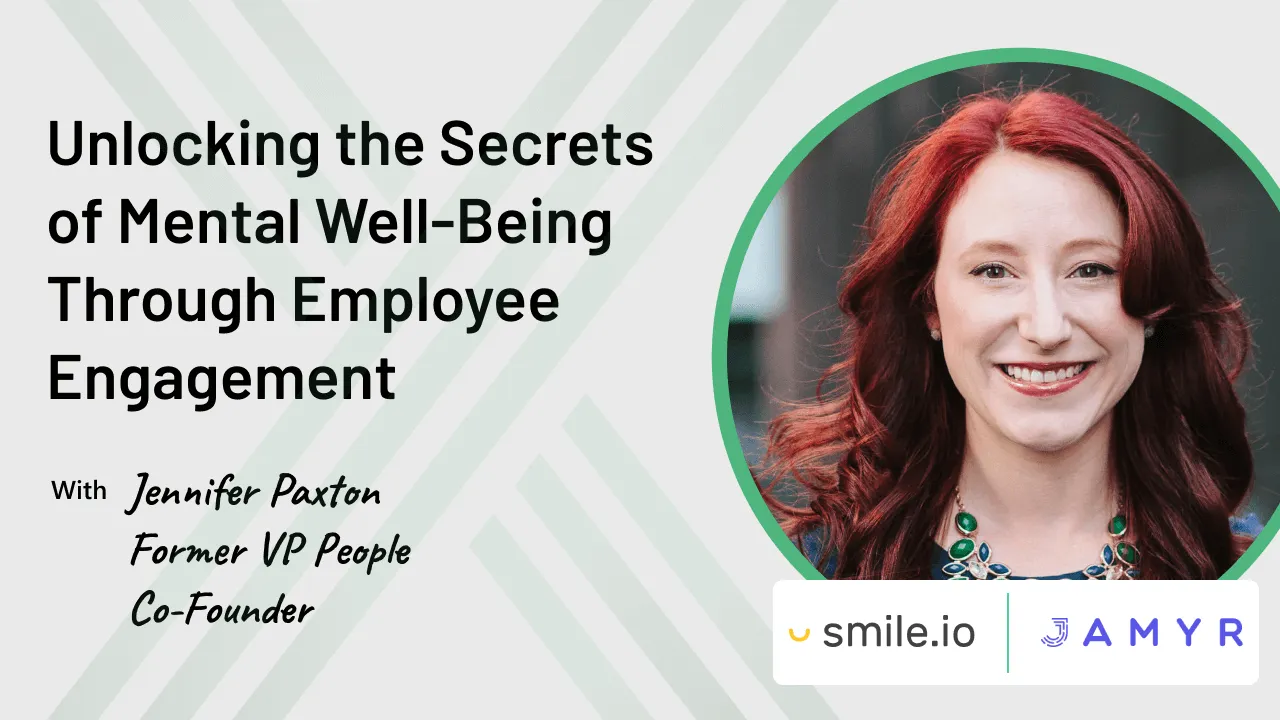 S04 E04Jennifer PaxtonMental Well-Being as an Engagement StrategyJennifer Paxton joins S04 E04 of CultureClub X to reveal how focusing on employee mental health drives engagement, productivity, and belonging, while offering actionable guidance for HRs and leaders to manage stress, prevent burnout, and build inclusive, supportive workplace cultures.
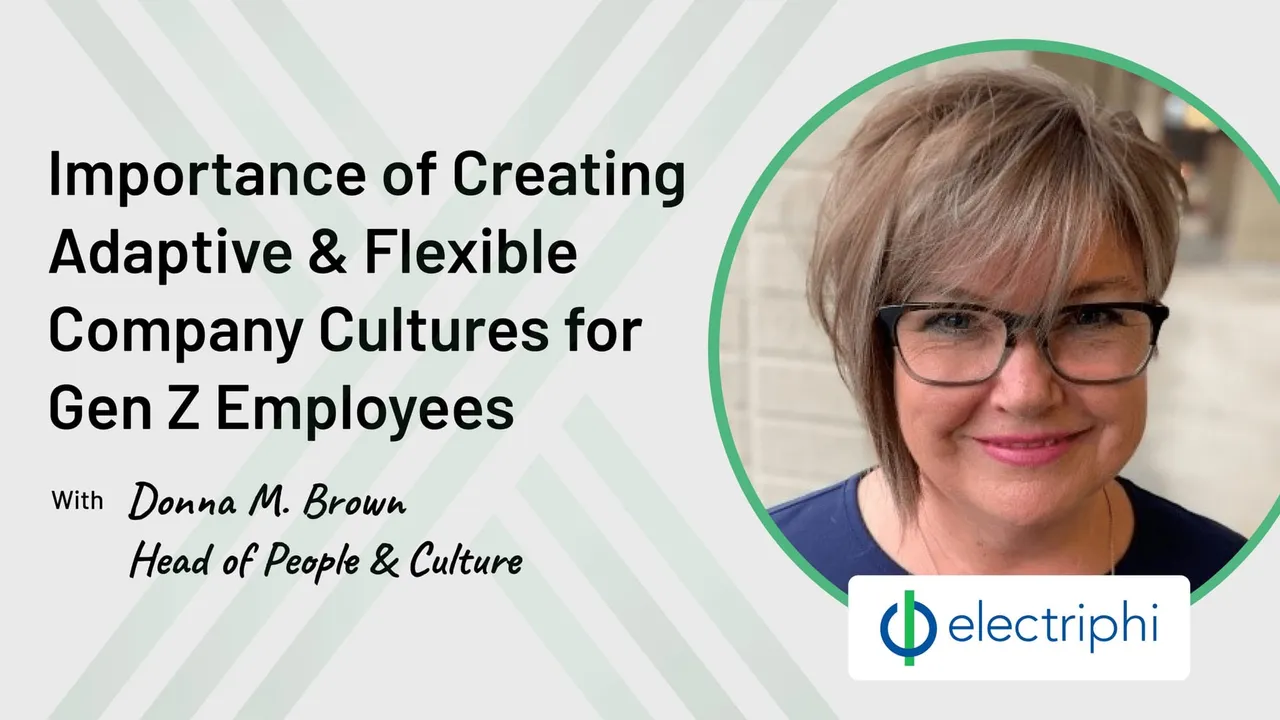 S04 E03Donna M. BrownBuilding Adaptive Cultures for Gen Z EmployeesIn this episode of CultureClub X, Donna M. Brown shares actionable insights on building adaptive, people-focused cultures for Gen Z, emphasizing flexibility, wellness, DEI, and tech-driven engagement strategies that empower employees, foster belonging, and drive lasting workplace impact.
 S03 E11Kellie WagnerDEI as the Bridge to Sustainable CultureKellie Wagner discusses how DEI bridges to a sustainable culture, highlighting leadership ownership, manager accountability, employee advocacy, and continuous listening through pulse surveys to embed equity and inclusion in everyday workplace practices.
 S03 E09Holly DankoData-Driven DEI: Policies That Attract and RetainIn this episode, Holly Danko reveals why DEI must be strategic and data-backed, showing how leadership alignment, employee feedback, and authentic culture practices help attract and retain talent in today’s workforce.
 S03 E08Karin HurtWhat Hybrid Work Does to Company CultureFrom reinventing culture to ensuring equal voices, Karin Hurt discusses how hybrid work requires empathetic leadership, safe feedback spaces, and clarity-driven flexibility to strengthen trust and productivity.
 S03 E05Shelley SmithPreventing DEI Missteps and Building BelongingShelley Smith explores how leaders can avoid DEI missteps by building unique cultures, empowering all managers as custodians of engagement, and ensuring employee feedback drives consistent, visible change.
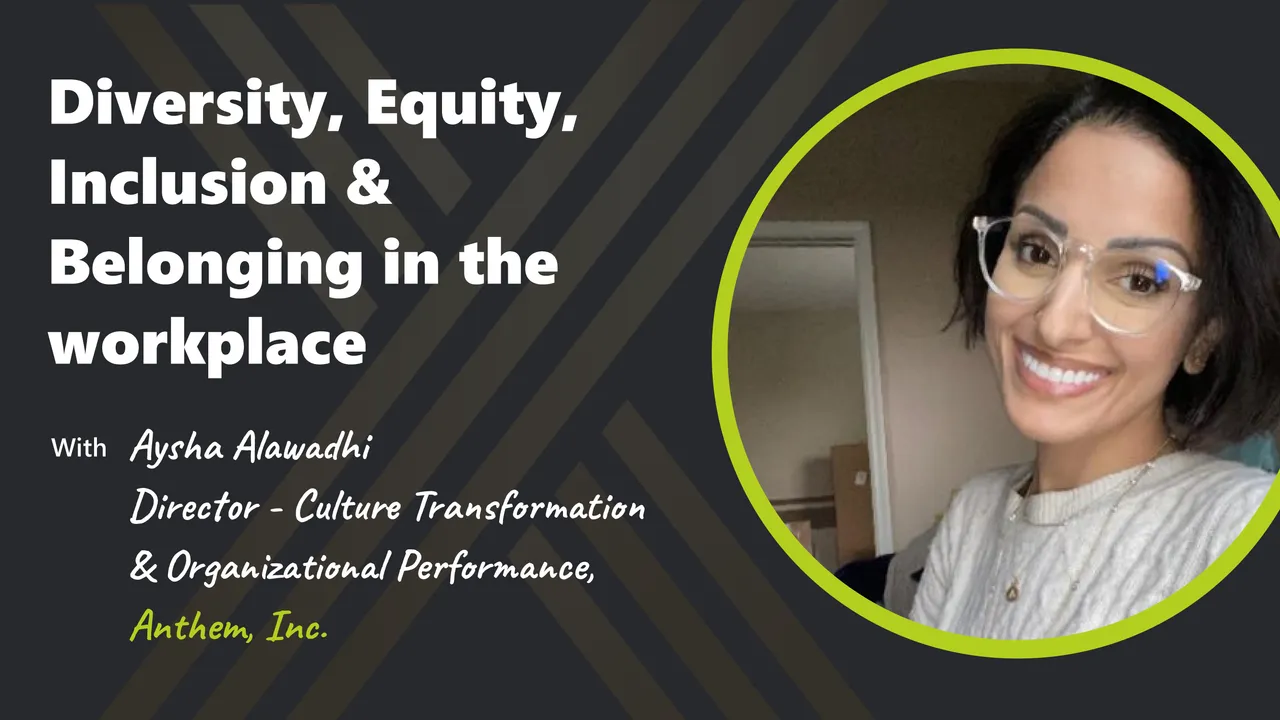 S03 E02Aysha AlawadhiTurning DEI Policy Into Everyday BelongingFrom culture as a competitive advantage to the crucial role of hiring, inclusivity, and technology, Aysha Alawadhi unpacks how organizations can implement DEI&B effectively, ensuring trust, balance, and engagement that employees can genuinely connect with.
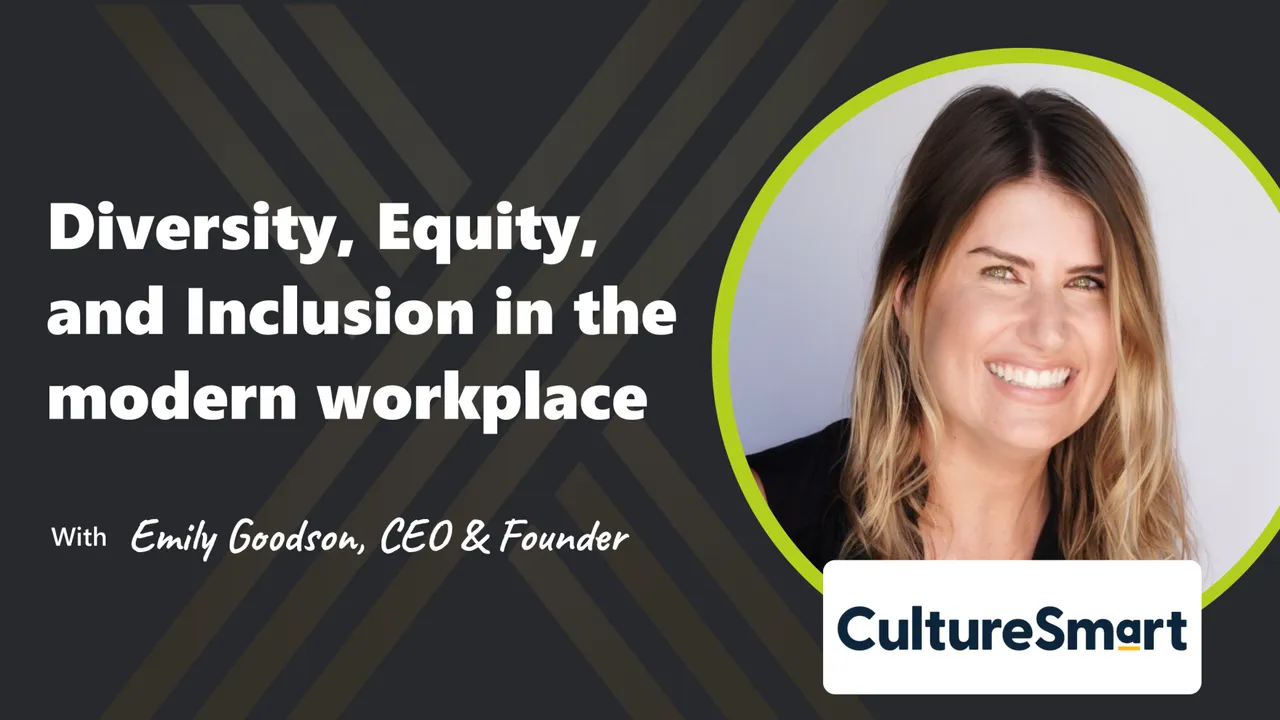 S03 E01Emily GoodsonWhat DEI Really Means in the Modern WorkplaceKicking off Season 3, Emily Goodson, CEO of Culture Smart, unpacks the real meaning of DEI in today’s workplace, shedding light on equity vs. equality, tackling biases in hiring, and the role of belonging in building inclusive, high-performing cultures.
Put DEI and belonging into practice
See how CultureMonkey helps people leaders act on this, or explore the deep dive on DEI and belonging.
Never miss an episode
Every new episode, plus the takeaways that matter, posted on the CultureMonkey LinkedIn page as soon as they drop.
Free on LinkedIn. Unfollow anytime.