

Change leadership
Most change fails at the middle, not the top. These conversations cover change management, transformation, and how CHROs build the leadership capability to carry people through it.
All episodes and topicsWhat these leaders agree on
The first thing these fourteen conversations establish is that change is an emotional event before it is an operational one. Lauri Romano puts the cognitive and emotional toll at the centre of the problem. Alexis Fink explains the mechanism, drawing on loss-aversion research to show that leaders consistently underestimate employee anxiety because people overestimate loss when their work is at risk.
Second, and more usefully, they agree people do not resist change so much as chaos. Cezary Mączka argues clarity of goals matters more than change management method, and that breaking a multi-year transformation into legible stages does more than any framework. Maria Rosaria Bonifacio's version is that the cultures navigating ambiguity best are not those with the clearest answers but those with the clearest direction and the most permission to disagree.
Third, most change programmes start too late. Chris Manning notes that change management typically begins at the knowledge stage, which is telling rather than adopting, and argues the work starts before the announcement. Jerrell Moore treats change as constant rather than episodic, and separates leaders who ask how to survive disruption from those who convert it into advantage.
Fourth, the early signals are readable if anyone is watching. Bonifacio describes change fatigue showing up well before burnout, in rushed decisions made without strategic thought and in previously vocal people going quiet.
Where they disagree
Pace is the open argument. Romano warns that quick wins are tempting in fast-paced environments but real transformation needs room for reflection and consolidation. Symphone'e Lindsey goes further, arguing deliberate integration pauses are not a slowdown at all but a trust accelerant that gives people space to experiment. Moore's framing pulls the other way, treating speed of decision-making as a measurable leadership outcome that boards should be shown. Whether deliberate slowness is a cost or a feature is unresolved here.
They also differ on candour. Moore names over-indexing on politeness over candour as one of three norms that quietly destroy resilience. Tracy Dodd cautions from the opposite direction that psychological safety is not a licence for reckless communication, and that feedback still has to be civil and well delivered. Both are defensible, and in practice a leader has to choose which failure mode they are more worried about.
18 episodes on Change leadership
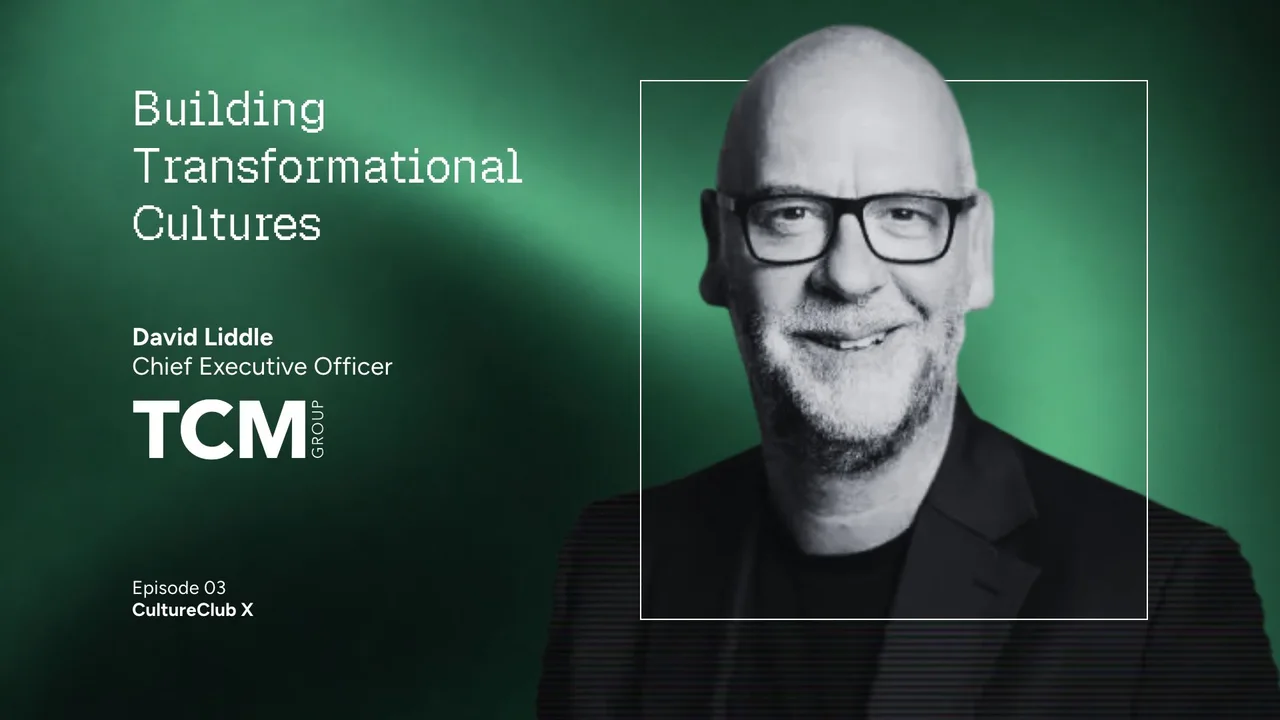 S07 E03David LiddleWhy do grievance procedures damage workplace culture? | David Liddle, The TCM GroupBecause they teach people to blame and defend, says David Liddle, CEO of The TCM Group. A grievance procedure builds working relationships on right and wrong, win and lose, and that behavior becomes the culture. His alternative is the Resolution Framework, which resolves issues through dialogue, and his one action for people leaders is to go and listen.
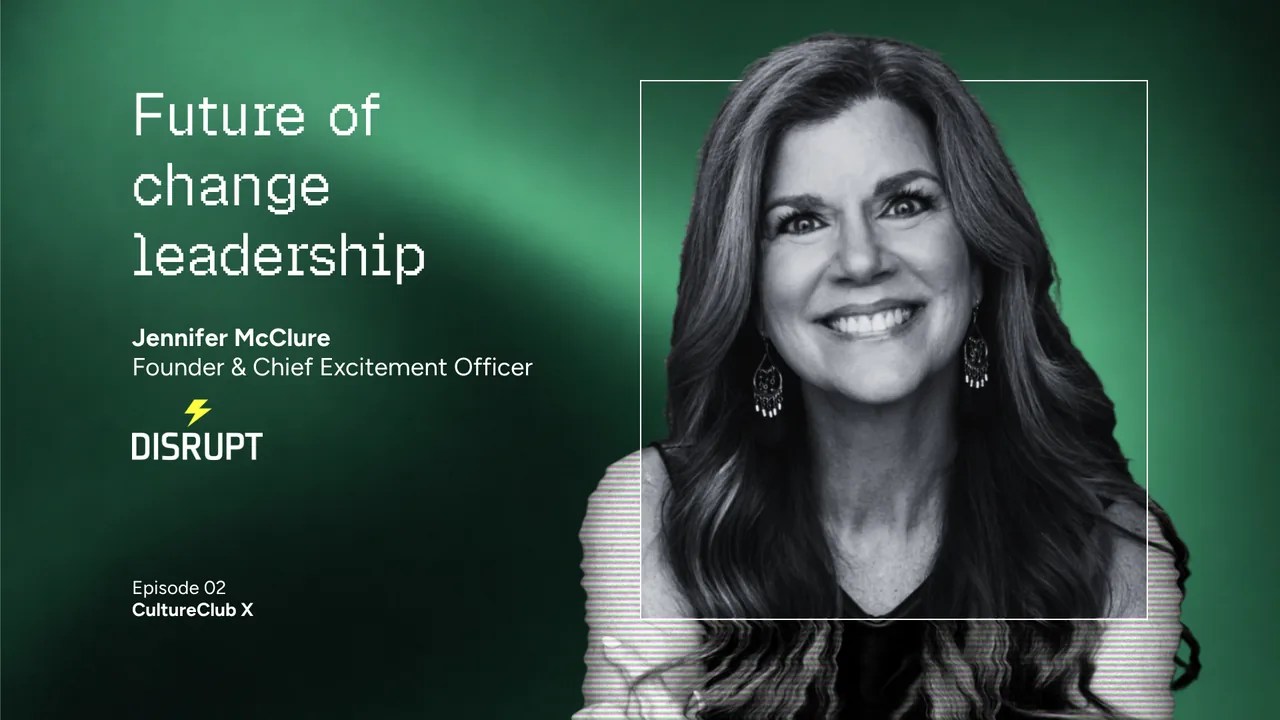 S07 E02Jennifer McClureHR as Chief Disruption Officer: Why Supporting the Business Is a Ceiling, with Jennifer McClureCulture Litmus continues with the gap inside HR itself. Jennifer McClure, who founded DisruptHR after years of running HR inside companies, argues that the influence is already in the job and most people are waiting to be handed it. Including the cost-cutting list she argued down from 43 jobs to thirteen, and the call two months later asking for those thirteen people back.
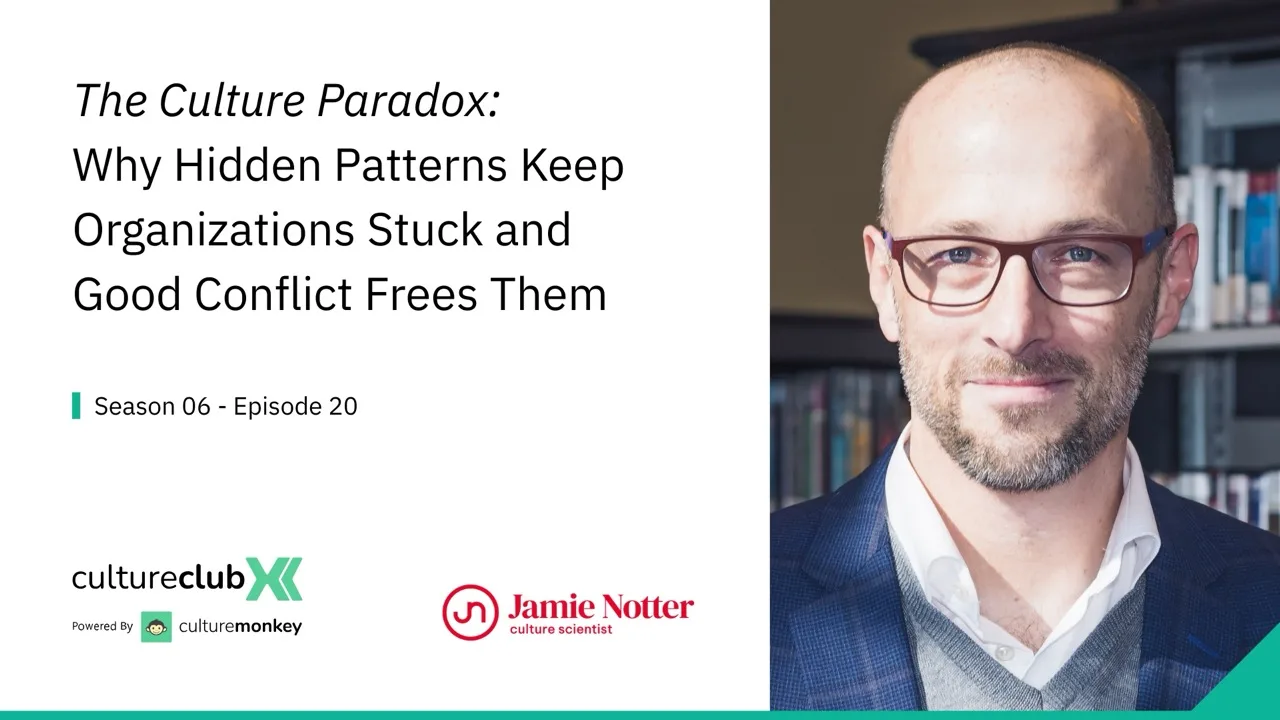 S06 E20Jamie NotterWhy does culture change stall? | Jamie Notter, culture scientistCulture change stalls because every stated value has a competing commitment quietly cancelling it, says culture scientist Jamie Notter. A company commits to collaboration and also to departmental autonomy, and the second creates silos. The way out is better conflict: the right issues handled by the right people at the right time.
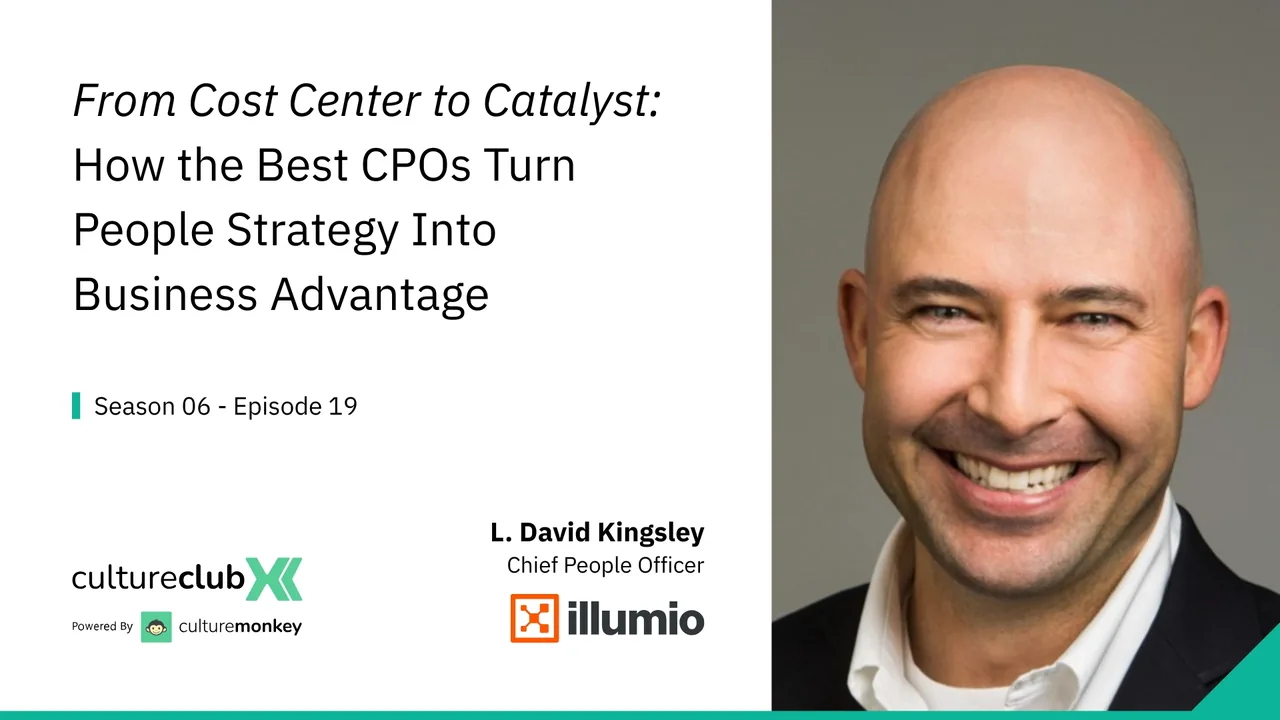 S06 E19L. David KingsleyFrom Cost Center to Catalyst: How CPOs Turn People Strategy Into Business Advantage, with L. David KingsleyL. David Kingsley has been a Chief People Officer five times over, at MuleSoft, Vlocity, Alteryx, Intercom and now Illumio. He joins CultureClub X to argue that people teams should stop fighting the cost center label and start working like one: three jobs in order, the shortest possible version of everything, and a single question that surfaces the capacity your organization is quietly missing.
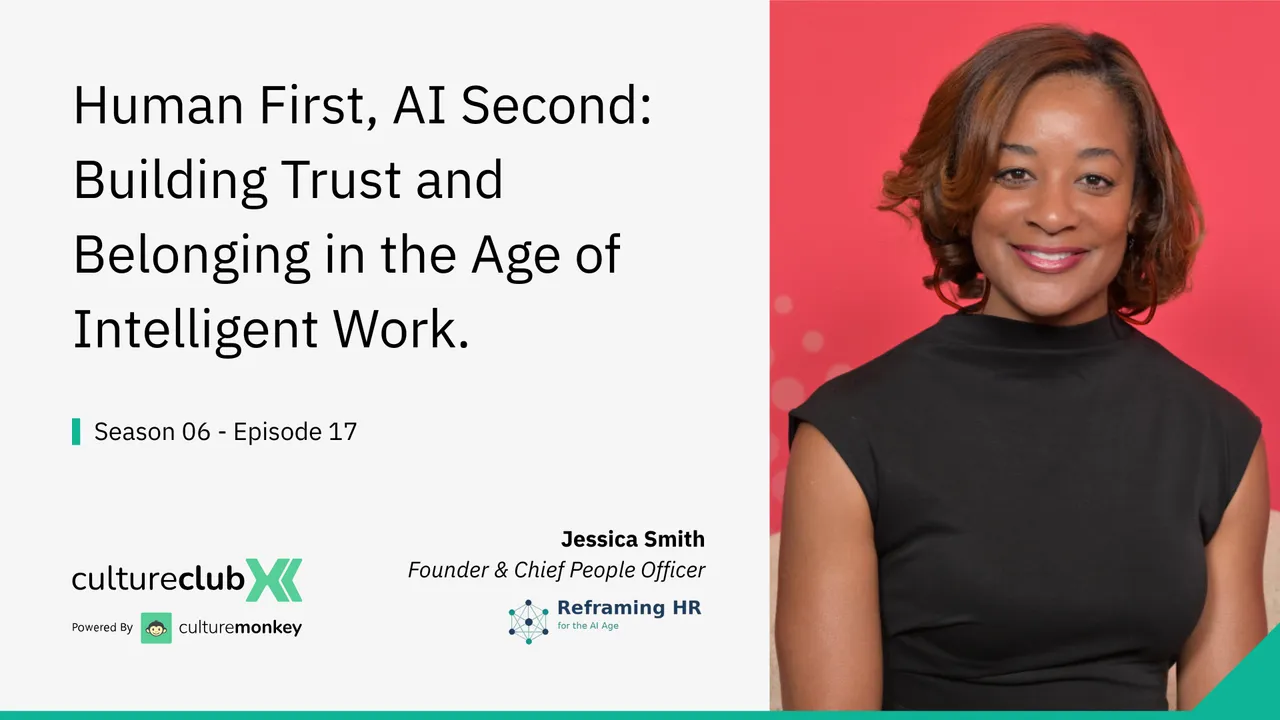 S06 E17Jessica SmithHow do you build trust and belonging in the age of AI? | Jessica Smith, Reframing HRProtect the uniquely human skills first, says Jessica Smith, founder of Reframing HR. Judgment, discernment and emotional intelligence decide whether people trust a decision, and AI cannot replace them. To check whether belonging is real, watch who goes quiet on sensitive survey questions and who turns up to optional events, then put strategy before tools.
 S06 E15Juliette DupréBuilding HR Infrastructure From Zero to ScaleScaling isn't about adding people. Juliette Dupre, Chief People Officer at Other Side Entertainment, shares her blueprint for zero to scale: building HR from scratch, why talent density is a ratio not headcount, listening that cut turnover from 20% to 4%, and using AI without losing the human touch.
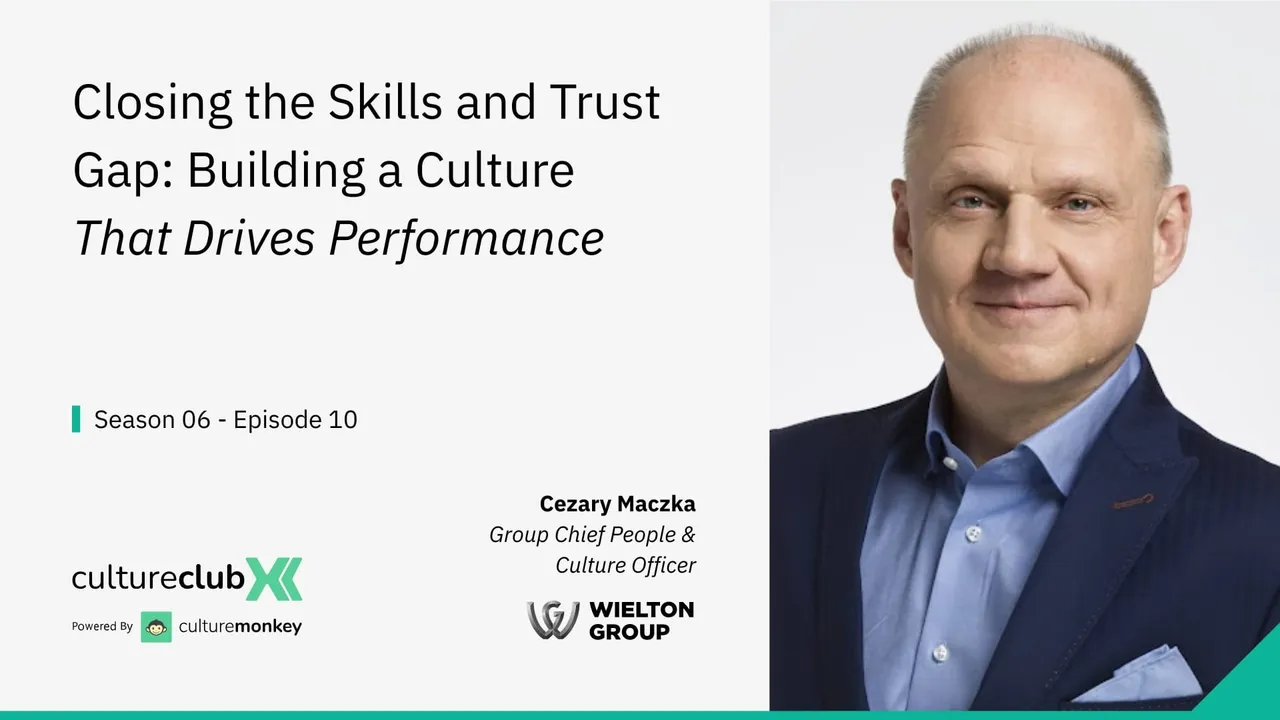 S06 E11Cezary MączkaIs the skills gap really a trust gap? | Cezary Mączka, Wielton GroupOften, yes, says Cezary Mączka, Group Chief People & Culture Officer at Wielton Group. A skills gap is missing capability; a trust gap is doubt that the company will be honest with people as roles change, and most firms mistake one for the other. Pair reskilling with transparency, and give each unit no more than three clear quarterly priorities.
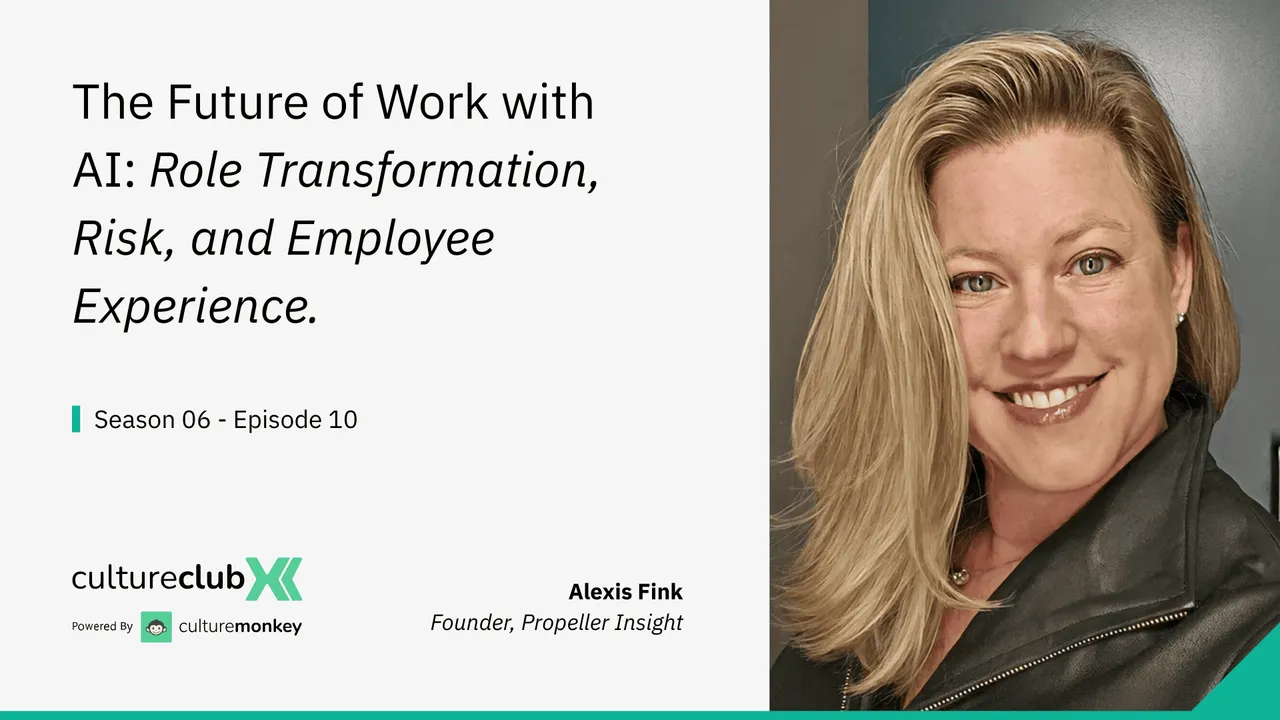 S06 E10Alexis FinkWill AI replace jobs or augment them? | Alexis Fink, former VP People Analytics at MetaFewer than half of successful AI implementations cut headcount, says Alexis Fink, former VP of People Analytics at Meta, citing Stanford research. Repetitive, well-described, lower-risk work such as scheduling is the most exposed; elsewhere AI lifts the quality of work. The hard part is process redesign, change management and employee anxiety, not the technology.
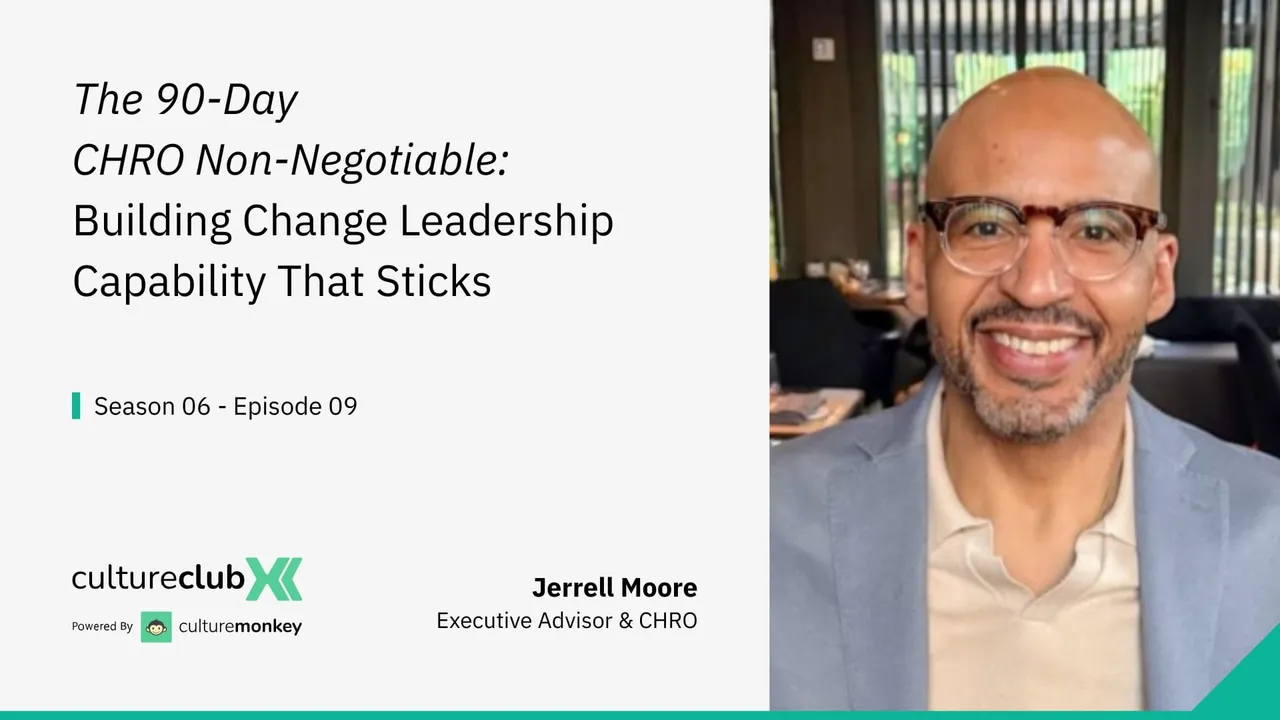 S06 E09Jerrell MooreHow CHROs Build Change Leadership That SticksJerrell Moore, Executive Advisor and former CHRO at Cadence Bank, shares how CHROs can build change leadership capability that sticks, from cultural norms and measurement frameworks to the one non-negotiable 90-day action every people leader must take to develop truly change-ready leaders at scale.
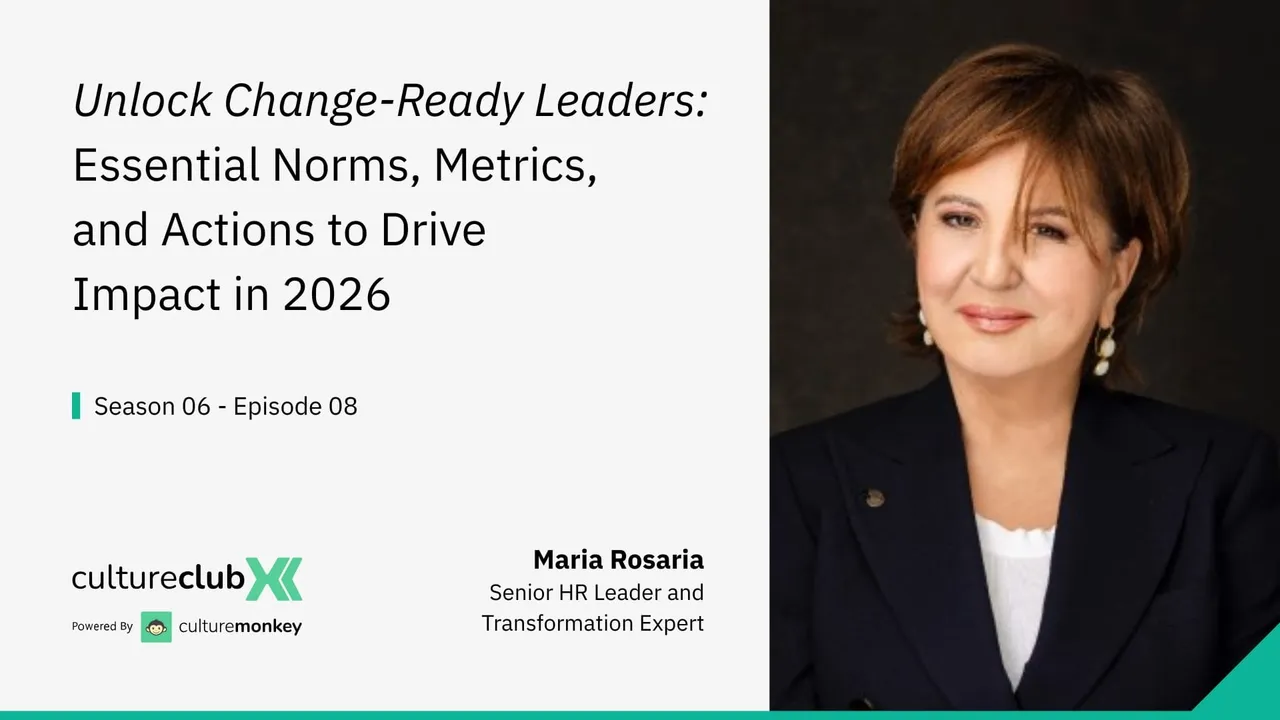 S06 E08Maria Rosaria BonifacioWhat are the early signs of change fatigue? | Maria Rosaria Bonifacio, NokiaTwo signs show up before burnout, says Maria Rosaria Bonifacio, VP and People Head at Nokia. Leaders start making fast but poorly anchored decisions, acting before thinking through strategy. And people who used to share ideas and challenge assumptions go quiet. Spot both early, acknowledge the strain openly, then separate the emotion from the decision.
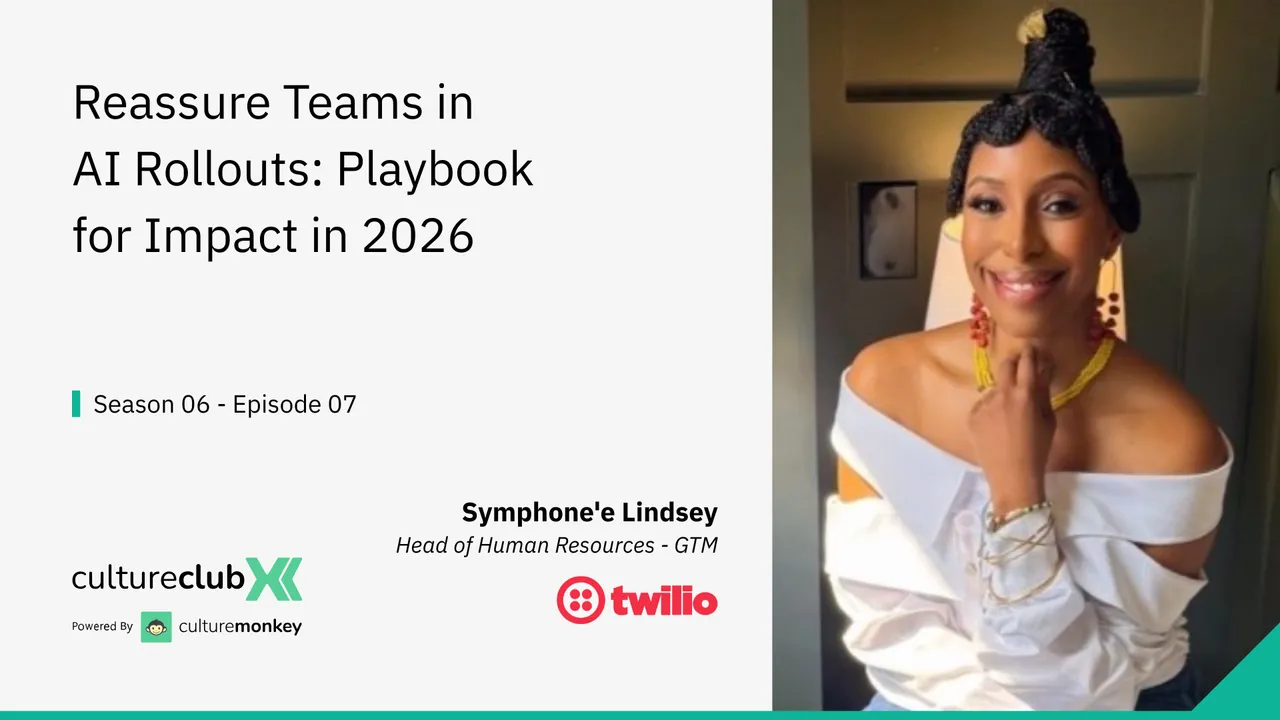 S06 E07Symphone'e LindseyHow do you reassure employees during an AI rollout? | Symphone'e Lindsey, TwilioIntroduce AI rather than impose it, says Symphone'e Lindsey, Head of HR, GTM at Twilio. Explain the why, show how it helps people grow, and build integration pauses into the rollout: set periods with no new tools where teams can experiment and ask questions. Then use pulse surveys to spot trust and adoption risks early.
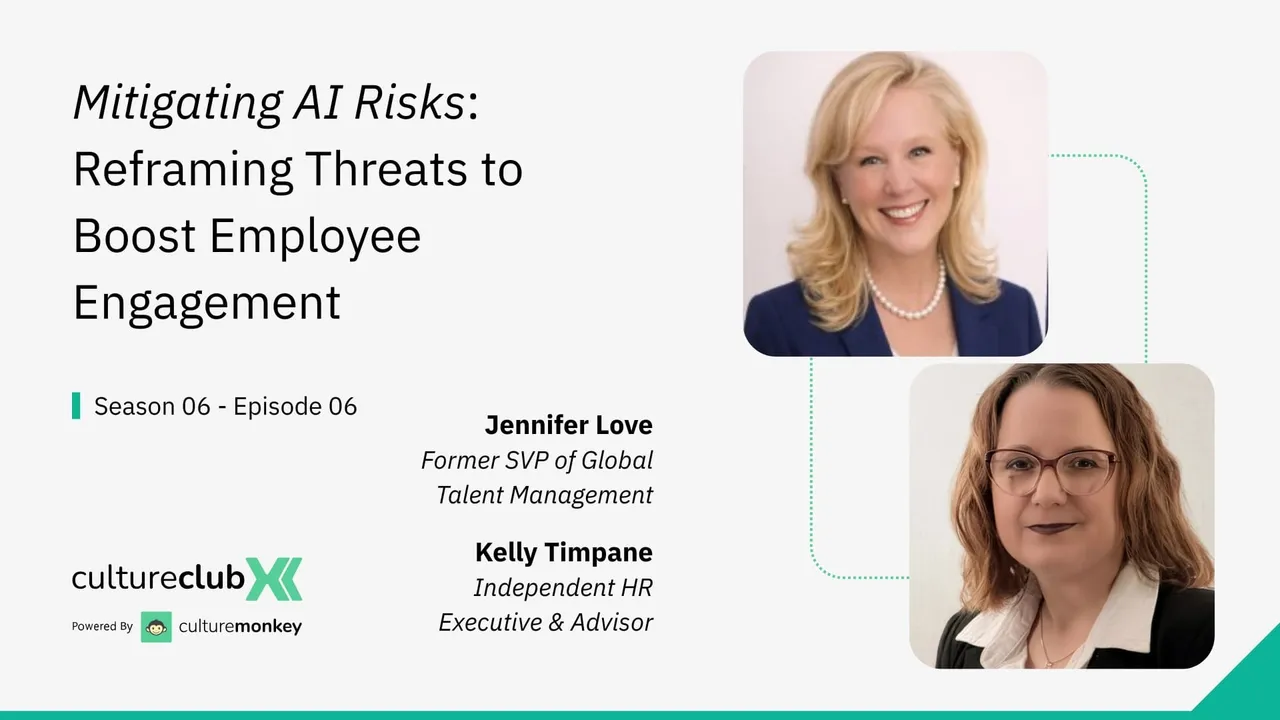 S06 E06Jennifer LoveHow do you adopt AI without losing employee trust? | Jennifer Love and Kelly TimpaneSet an enterprise AI strategy and governance before rolling out tools, say Jennifer Love and Kelly Timpane. Adoption fails when departments launch tools ahead of a company-wide plan, and trust erodes. Frame AI as a colleague that gives people time back, equip managers with talking points and training, and use pulse surveys to track anxiety.
 S06 E04Jackson LynchHow CHROs Should Redesign Roles as AI Reshapes WorkTasks get automated, roles get redesigned, conflating the two is where organizations lose people. Jackson Lynch, four-time CHRO and founder of Talent Sherpa, delivers a systems-design playbook for CHROs to redesign work alongside AI while protecting culture, engagement, and development pathways.
 S06 E02Jamy ConradHow do you keep employees engaged during constant change? | Jamy Conrad, UFCUTreat change readiness as a skill leaders practice, not a project, says Jamy Conrad, Director of People at UFCU. Most change fails in middle management, where the message gets lost like a game of telephone. Her Change Readiness Loop repeats four steps: scenario planning, language alignment, real-time feedback and peer accountability.
 S05 E05Debra CoreyThe Leadership Behaviours That Decide EX During ChangeWhat helps employees feel supported during change? In this episode of CultureClub X, Debra Corey breaks down the leadership behaviors that build stability, trust, awareness, and stronger employee experience during transformation.
 S05 E04Chris ManningTurning Complex Change Into Human-Centric JourneysIn this episode, Chris Manning explains why transformation fails when organizations prioritize outcomes over lived experience. He shares how empathy, behavior-led design, and pragmatic change drive adoption, and why progress and co-creation matter more than rigid processes.
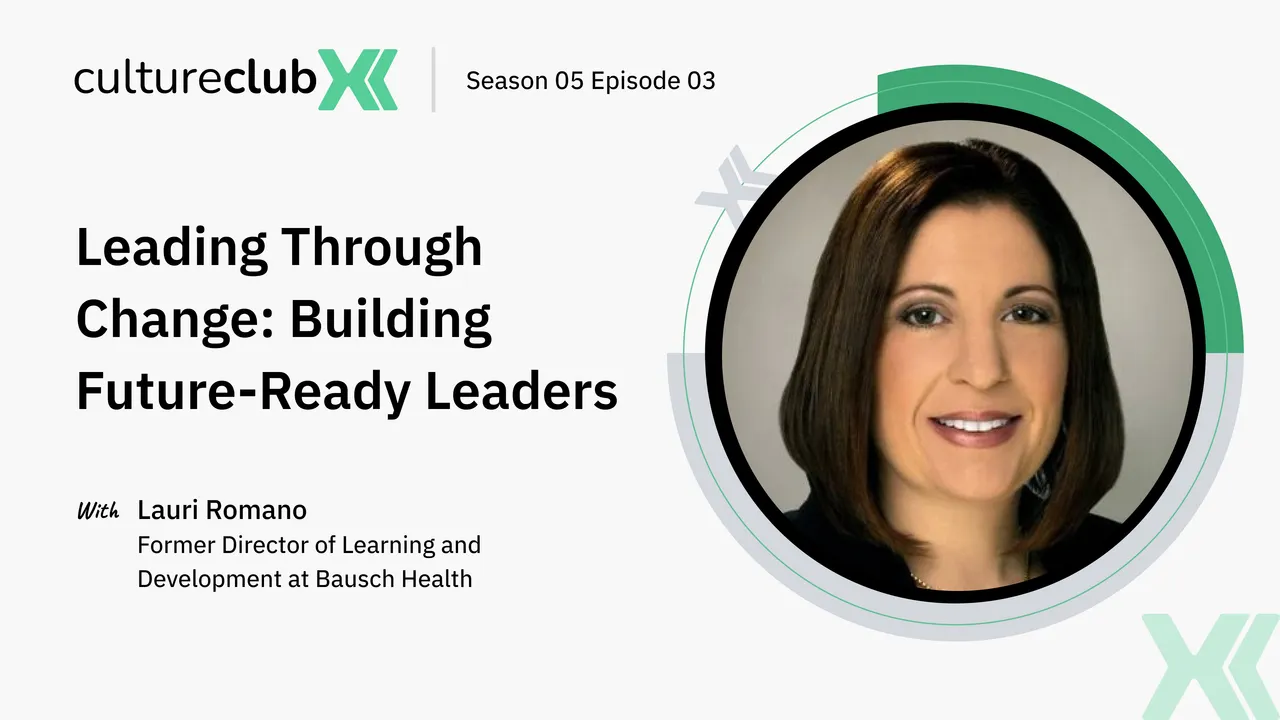 S05 E03Lauri RomanoLeading Through Change: Building Future-Ready LeadersIn this episode, Lauri Romano unpacks how leaders can guide teams through uncertainty, balance speed with sustainability, and build psychological safety. She shares why empathy, adaptability, and purpose are core to future-ready leadership, and how tech and human skills now go hand in hand.
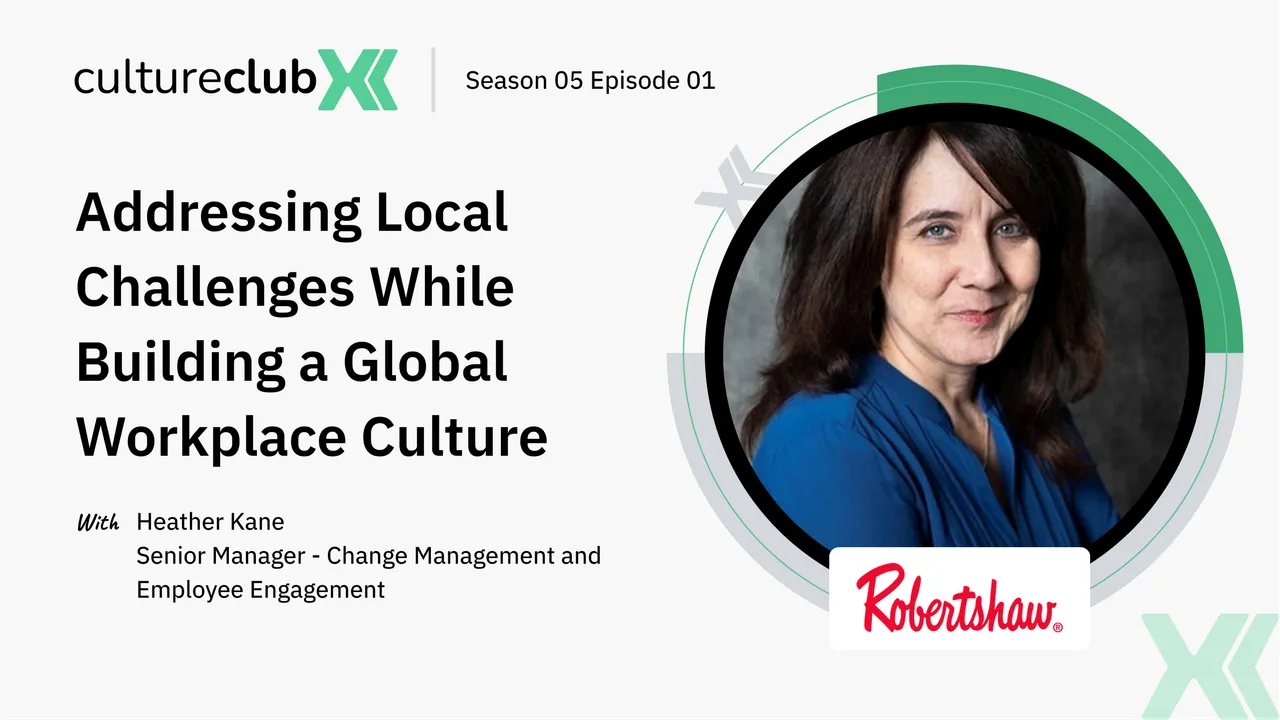 S05 E01Heather KaneBuilding One Culture Across Global and Local TeamsHeather Kane of Robertshaw shares how organizations can bridge global and local workplace cultures, leveraging technology, inclusive communication, and manager-driven initiatives to engage employees meaningfully, making every voice count and fostering connection across diverse teams.
Put Change leadership into practice
See how CultureMonkey helps people leaders act on this, or explore the deep dive on Change leadership.
Never miss an episode
Every new episode, plus the takeaways that matter, posted on the CultureMonkey LinkedIn page as soon as they drop.
Free on LinkedIn. Unfollow anytime.